


TL;DR
RFID cashless payment systems help event organizers deliver faster transactions, secure attendee payments, smoother crowd flow, and scalable onsite operations through contactless RFID and NFC technology. These systems simplify event payment management while improving attendee convenience across festivals, concerts, expos, conferences, and sports events.
In This Article, You’ll Learn
- Understanding RFID cashless payments and how they work at events
- How to implement RFID cashless payment systems successfully
- Best practices for managing RFID cashless payments at large-scale events
Key Takeaways
- RFID wristbands enable fast and secure tap-and-pay transactions across event venues.
- Cashless payment systems improve attendee convenience and streamline event payment operations.
- RFID ecosystems reduce manual cash handling and simplify vendor transaction management.
- Real-time analytics help organizers track attendee spending and operational performance instantly.
- Modern event platforms like Dreamcast provide scalable RFID cashless payment solutions for festivals, concerts, conferences, and live events.
In today’s digital age, the demand for smooth and efficient payment solutions at events has become increasingly important. One innovative approach that has gained significant traction is the adoption of cashless RFID payment systems. These systems offer a number of benefits, including a better customer experience, better security, and smoother transaction management. In this comprehensive article, we will explore the steps to successfully implement RFID cashless payment at your next event.
Understanding RFID Cashless Payments
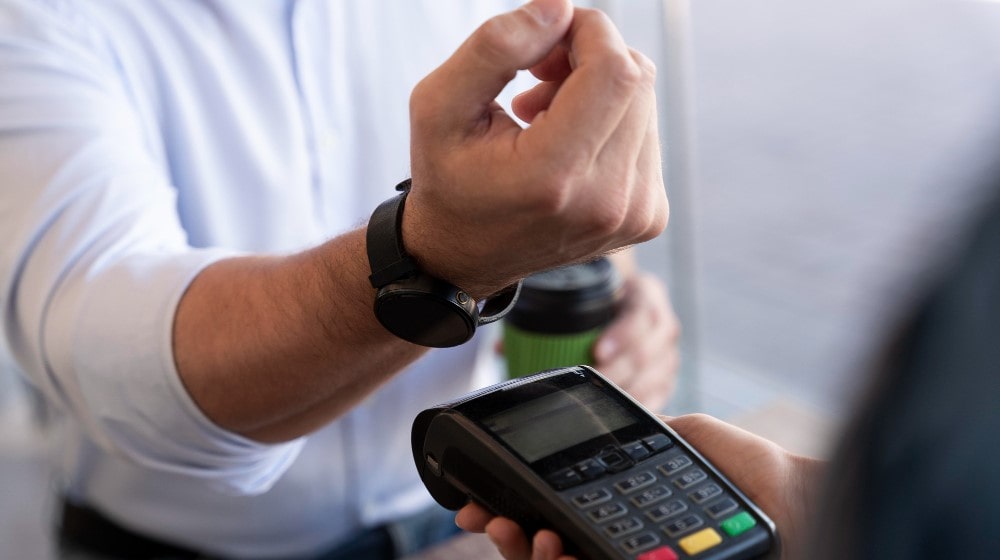
RFID cashless payment systems are based on radio frequency technology that allows participants to complete purchases and transactions without cash or physical payment cards. Participants are typically issued RFID wristbands, cards, or tags associated with their payment information that allow them to make purchases by simply tapping or swiping their RFID device at designated payment terminals.
The key advantages of RFID cashless payments include:
Improved Convenience: Attendees no longer need to carry cash or search, as all their payment needs can be fulfilled with a simple touch or wave of an RFID device.
Enhanced Security: Cashless RFID systems eliminate the risk of money being lost or stolen, reducing the possibility of fraud and theft.
Faster Transactions: RFID payments are typically much faster than traditional cash or card transactions, which shortens queues and improves transaction flow.
Extensive event data: RFID systems can provide event organizers with valuable information such as buying patterns, popular sellers, and attendee behavior that can be used to optimize future events.
| RFID Cashless Payment Benefit | How It Helps Event Organizers | Impact on Attendee Experience |
| Faster Event Transactions | Speeds up payment processing across vendor zones and reduces operational bottlenecks | Shorter queues and quicker purchases |
| Improved Attendee Convenience | Eliminates the need for carrying cash or physical cards | Simple tap-and-pay payment experiences |
| Enhanced Payment Security | Reduces risks related to cash theft, fraud, and manual transaction errors | Safer and more reliable transactions |
| Real-Time Transaction Monitoring | Provides live visibility into sales activity and payment performance | Faster issue resolution during events |
| Better Crowd Flow Management | Minimizes congestion around food stalls, bars, and merchandise counters | Smoother attendee movement across venues |
| Centralized Payment Ecosystem | Connects payments, access control, and attendee management in one system | More seamless event experiences |
| Valuable Event Analytics | Tracks attendee spending patterns and vendor performance in real time | More personalized and optimized future events |
| Reduced Cash Handling | Lowers dependency on manual cash collection and reconciliation | Faster vendor service experiences |
| Scalable Event Operations | Supports thousands of simultaneous transactions across multiple event zones | Reliable payment experiences during peak hours |
| Better Vendor Management | Simplifies settlement tracking and transaction reconciliation for vendors | More efficient onsite service delivery |
What are the Major Steps to Implement RFID Cashless Payments
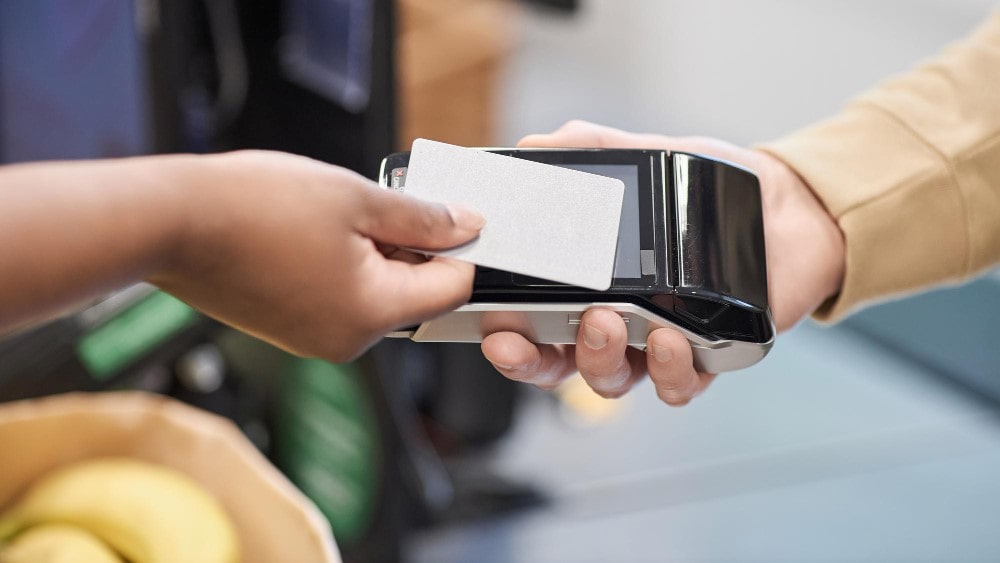
What Are the Key Steps to Implement RFID Cashless Payments?
| Step | Implementation Area | Why It Matters |
| 1 | Choose the Right RFID Provider | Ensures reliable technology, scalable infrastructure, and expert event support |
| 2 | Plan RFID Infrastructure | Helps achieve smooth payment coverage across the entire event venue |
| 3 | Integrate Existing Event Systems | Connects ticketing, registration, POS, and vendor management workflows seamlessly |
| 4 | Build a User-Friendly Experience | Simplifies attendee account access, balance checks, and wallet top-ups |
| 5 | Train Event Staff | Improves operational efficiency and faster issue resolution during live events |
| 6 | Communicate With Attendees | Helps attendees understand RFID usage, payments, and top-up processes clearly |
| 7 | Implement Security Measures | Protects attendee data, payment transactions, and system access securely |
| 8 | Monitor & Optimize Operations | Enables real-time troubleshooting and continuous event performance improvements |
Implementing RFID cashless payments at your event involves several key steps. Let’s dive into the details:
1. Choose the Right RFID Provider
Select an experienced and reputable RFID service provider that can offer a comprehensive solution tailored to your event’s needs. Consider factors such as the provider’s track record, the reliability of their technology, and their customer support services.
2. Determine the RFID Infrastructure
Assess the layout and size of your event venue to determine the required RFID infrastructure, including the number and placement of payment terminals, RFID readers, and antennas. This ensures seamless integration and coverage across the event space.
3. Integrate with Existing Systems
Integrate a cashless RFID payment system into your event’s existing ticketing, registration, and vendor management systems. This ensures a smooth and seamless experience for both attendees and event staff.
4. Develop a User-Friendly Interface
Create a user-friendly interface for attendees to manage their RFID accounts, check balances, and top up their accounts. This can be achieved through a mobile app, a web portal, or dedicated kiosks at the event.
5. Educate and Train Event Staff
Ensure that your event staff is well-versed in the RFID cashless payment system, including how to assist attendees, troubleshoot issues, and manage the payment terminals. Provide comprehensive training to ensure a seamless experience for both staff and attendees.
6. Communicate with Attendees
Clearly communicate the RFID cashless payment system to your attendees before and during the event. Provide detailed instructions on how to obtain and use their RFID devices, as well as any necessary information about account management and top-up options.
7. Implement Security Measures
Establish robust security measures to protect attendee data and prevent unauthorized access to the RFID system. This may include features such as encryption, access controls, and fraud detection mechanisms.
8. Monitor and Optimize the System
Continuously monitor system for the RFID cashless payment system during the event, addressing any issues or bottlenecks that may arise. Collect feedback from attendees and event staff to identify areas for improvement and optimize the system for future events.
Learn more: How Cashless Payment Systems Improve Inventory Management
Best Practices for RFID Cashless Payments

To ensure the successful implementation of RFID cashless payments at your event, consider the following best practices:
Seamless Onboarding: Provide a streamlined onboarding process for attendees to obtain and activate their RFID devices, ensuring a smooth start to their event experience.
Flexible Top-Up Options: Offer multiple ways for attendees to top up their RFID accounts, including online, at dedicated kiosks, or through event staff, to cater to different preferences and needs.
Clear Refund Policies: Establish and communicate clear policies regarding the refund or transfer of unused RFID funds, providing attendees with the necessary information and assurance.
Comprehensive Data Analytics: Utilize the data generated by the RFID cashless payment system to gain insights into attendee behavior, purchasing patterns, and vendor performance, which can inform future event planning and optimization.
Seamless Integration with Vendors: Ensure seamless integration between the RFID system and your event’s vendors, allowing for efficient and hassle-free transactions.
Backup Payment Options: Maintain alternative payment options, such as cash or traditional card payments, to accommodate attendees who may not have or prefer to use the RFID system.
Continuous Improvement: Regularly review and update the RFID cashless payment system, incorporating feedback and implementing enhancements to provide an improved experience for future events.
Learn more: A Complete Guide to POS Cashless System For Events
How Does Dreamcast Simplify RFID Cashless Payment Implementation for Events?
Dreamcast simplifies RFID cashless payment implementation through end-to-end event technology management, including RFID setup, payment infrastructure deployment, POS integration, attendee wallet management, real-time analytics, and onsite operational support. The platform is designed to help organizers manage high-volume event transactions efficiently while improving attendee convenience and reducing payment-related operational bottlenecks.
A strong example is Dreamcast’s RFID cashless payment deployment at the McGettigan’s Coca-Cola Fan Zone Arena during Euro Cup 2024 in Dubai. Dreamcast managed RFID-enabled payment operations for over 150,000 attendees using 120 POS systems and 25 mobile top-up stations across the venue. The implementation helped streamline onsite transactions, improve crowd movement, and contributed to a reported 20% increase in sales compared to previous editions, demonstrating how scalable RFID ecosystems can improve both attendee experiences and event revenue performance.
Final Words
Implementing RFID cashless payments at your event can revolutionize the way attendees engage with your offerings and vendors. By providing a convenient, secure, and data-driven payment solution, you can enhance the overall event experience, increase operational efficiency, and unlock valuable insights to drive future success. By following the steps and best practices outlined in this article, you can successfully implement RFID cashless payments and take your event to new heights
FAQs
Event organizers can monitor RFID transactions in real-time through a centralized dashboard provided by the RFID technology provider. This dashboard provides insights into sales trends, transaction volumes, and attendee spending patterns.
Attendees experiencing issues with RFID cashless payments should seek assistance from event staff or designated support personnel. Staff members are typically trained to troubleshoot common issues and provide solutions to ensure a smooth payment experience.
Yes, RFID cashless payments are secure. RFID technology uses encrypted communication protocols to protect transactions from unauthorized access. Additionally, attendees can typically report lost or stolen RFID devices to deactivate them promptly.
Event organizers can promote RFID cashless payments through pre-event communications, including email newsletters, social media posts, and event websites. Providing clear instructions and benefits of using RFID payments can encourage attendee adoption and participation.
RFID cashless payments utilize Radio Frequency Identification (RFID) technology to enable attendees to make transactions using RFID-enabled wristbands, cards, or badges. These devices are linked to attendees’ accounts and can be used to make purchases without cash or physical tokens.