


The event industry has always been about creating smooth experiences. From the moment guests arrive until the final applause, every detail matters. Payment in self-service is one of those details that can change the way people feel about an event. When payments are simple, fast, and reliable, the entire flow of the event improves. Self-service payment solutions are designed to make this possible. They bring convenience to organizers, vendors, and attendees alike.
This blog will explain what self-service payment solutions are, why they matter, and how they fit into the event industry. We will walk through benefits, features, and use cases, showing how payment solutions for the self-service industry are shaping modern events.
What Are Self-Service Payment Solutions?
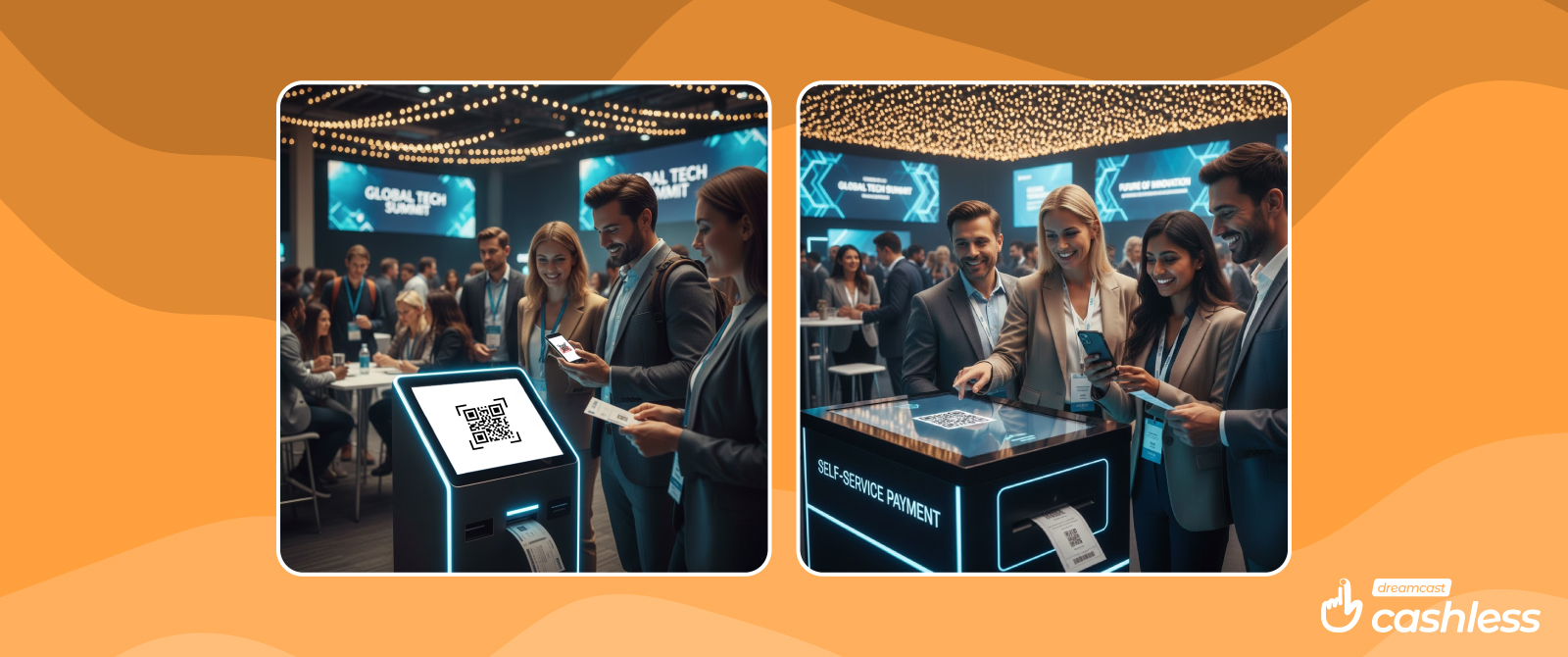
Self-service payment solutions allow people to pay without needing staff to handle every transaction. Instead of waiting in line or depending on manual cash handling, attendees can use a self-service POS system to complete their payments quickly. These systems are often digital, easy to use, and built to handle large volumes of transactions during busy event schedules. In the event industry, where time and flow are critical, Payment in Self-service reduces delays. Guests can focus on enjoying the event rather than worrying about how to pay for food, merchandise, or tickets. Organizers also benefit because payments are tracked automatically, reducing errors and saving time.
Benefits of Self-Service Payment Solutions
#1. Speed and Efficiency
Events often involve large crowds. Traditional payment methods can slow down the process. self-service payment solutions make transactions faster. Attendees can pay instantly, and vendors can serve more people in less time. This efficiency improves the overall event experience.
#2. Reduced Staffing Needs
Hiring staff for payment counters can be costly. But wait, a self-service POS system can be a perfect solution for this. This system reduces the need for extra staff. Organizers can allocate resources to other important areas of the event.
#3. Accuracy and Transparency
Manual handling of payments often leads to mistakes. Self-service payment solutions record every transaction digitally. This ensures accuracy and provides clear records for organizers. Transparency builds trust between vendors and attendees.
#4. Flexibility
Payment solutions for the self-service Industry are flexible. They can handle different payment methods such as cards, mobile wallets, or QR codes. This flexibility is important in events where attendees may prefer different ways to pay.
#5. Better Attendee Experience
When payments are simple, attendees feel more relaxed. They spend less time worrying about transactions and more time enjoying the event. A smooth payment process adds to the overall satisfaction of the event.
Features of Self-Service Payment Solutions
Self-service payment solutions are not just about speed. They come with features that make them suitable for the event industry.
- User-Friendly Interface: Attendees can easily understand how to use the system. Clear instructions and simple layouts make the process smooth.
- Multiple Payment Options: A self-service POS system supports cards, mobile payments, and digital wallets.
- Real-Time Tracking: Organizers can see transactions as they happen. This helps in managing sales and inventory during the event.
- Security: Payment in self-service must be safe. These systems use encryption and secure gateways to protect data.
- Scalability: Payment solutions for the self-service Industry can handle small gatherings or large festivals. They scale according to the size of the event.
- Integration: A self-service POS system can integrate with ticketing, merchandise, or food services. This creates a unified payment experience.
Use Cases in the Event Industry
Self-service payment solutions are versatile. They can be applied in different areas of the event industry.
Use Case 1: Ticketing
Attendees can purchase tickets through a self-service POS system. This reduces queues and speeds up entry. Payment in Self-service ensures that ticket sales are recorded instantly.
Use Case 2: Food and Beverage
Food stalls at events often face long lines. Payment solutions for the self-service industry allow attendees to pay quickly. Vendors can serve more customers without delays.
Use Case 3: Merchandise
Events often sell merchandise. A self-service POS system makes it easy for attendees to buy items without waiting. Payments are tracked, and inventory is updated in real time.
Use Case 4: Parking and Access
Parking fees or access passes can be managed through Self-Service Payment Solutions. Attendees pay directly, and organizers can monitor usage.
Use Case 5: Donations and Contributions
Some events involve fundraising. Payment in self-service allows attendees to contribute easily. The process is transparent and secure.
Why the Event Industry Needs Self-Service Payment Solutions
Events are about flow. Every delay affects the experience. Payment solutions for the self-service Industry remove friction. They allow organizers to focus on the event itself rather than managing payments. A self-service POS system also provides valuable data. Organizers can analyze sales, track attendee preferences, and plan better for future events. This data-driven approach improves efficiency and helps in decision-making.
Suppose an event where attendees move freely, enjoying every moment. Payment in Self-service is part of that freedom. It reduces stress for both guests and organizers. Vendors feel confident because transactions are secure and recorded. Attendees feel satisfied because payments are quick and easy.
Self-service payment solutions are not just about technology. They are about creating smoother experiences. They bring a sense of order to events that might otherwise feel chaotic.
Challenges Addressed by Self-Service Payment Solutions
Events often face challenges with payments. Long queues, errors in cash handling, and delays in processing can frustrate attendees. Self-service payment solutions address these issues.
- Queues are shorter because attendees pay directly.
- Errors are reduced because transactions are digital.
- Delays are minimized because payments are instant.
Payment solutions for the self-service industry are designed to handle these challenges effectively.
Future of Self-Service Payment Solutions in Events
The event industry is moving toward more automation. A self-service POS system will play a bigger role in the future. Payment in self-service will become standard at events of all sizes. Organizers will rely more on payment solutions for the self-service Industry to manage crowds, track sales, and improve experiences. Attendees will expect quick and secure payment options.
Final Words
Self-service payment solutions are changing the event industry. They bring speed, accuracy, and convenience. Payment in self-service improves the flow of events, reduces staffing needs, and enhances attendee satisfaction.
Features such as multiple payment options, real-time tracking, and security make these systems reliable. Use cases in ticketing, food, merchandise, parking, and donations show their versatility. Payment solutions for the self-service Industry are not just tools. They are part of the event experience. A self-service POS system ensures that payments are smooth, secure, and efficient.
Events are about creating memories. Self-service payment solutions help make those memories better by removing stress from payments. They allow attendees to focus on the event itself, while organizers manage everything with confidence.
FAQs
Self-Service Payment Solutions are systems that allow attendees to make payments without staff involvement. They are designed to be quick, secure, and easy to use, especially in busy event environments.
Events often involve large crowds and multiple vendors. Payment in Self-service reduces queues, improves efficiency, and ensures attendees spend more time enjoying the event rather than waiting to pay.
A Self-Service POS System allows attendees to pay directly using cards, mobile wallets, or QR codes. Transactions are recorded instantly, giving organizers real-time visibility into sales and inventory.
Faster transactions
Reduced staffing needs
Accurate records
Multiple payment options
Improved attendee satisfaction