



How often do students find themselves waiting in long queues at the canteen, fumbling with coins or notes, and feeling the frustration of wasted time? This simple scenario raises a bigger question: why should campus dining remain tied to outdated payment methods when digital solutions are available? The answer lies in adopting a cashless payment system for college canteens, a step that not only saves time but also enhances the dining experience into something smoother, safer, and more efficient.
The Need for Digital Transformation in Campus Dining
Campus dining is more than just food service. It is a daily ritual that influences student satisfaction and campus culture. When payments are slow, the entire rhythm of the canteen breaks down. Digital transformation in this space is about more than technology. It is about creating an environment where convenience, speed, and reliability become the norm. By introducing a cashless payment system for university canteens, institutions show that they value student time and comfort. They also demonstrate readiness to modernize even the smallest aspects of campus life. This transformation is not flashy. It is practical, and it directly impacts the way students experience their day.
What is the Cashless Payment System for Campus Canteen?
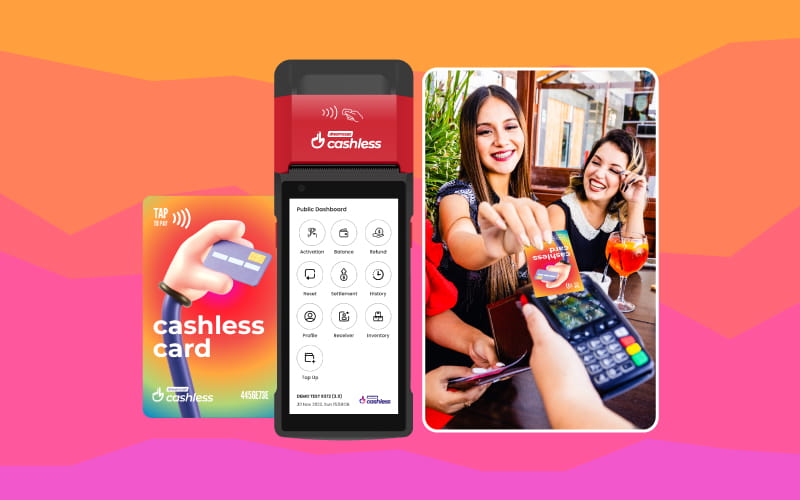
A cashless payment system for college canteens is a digital method of paying for meals without using physical money. Instead of exchanging notes and coins, students and staff use mobile apps, RFID wristbands, QR codes, smart RFID cards, or contactless devices. The system replaces manual cash handling with secure, quick, and traceable transactions. It is not complicated. Students load funds into their RFID cashless cards. At the counter, they scan or tap, and the payment is done. The simplicity of the process is what makes it powerful.
How the Cashless Payment System Works in College Environments
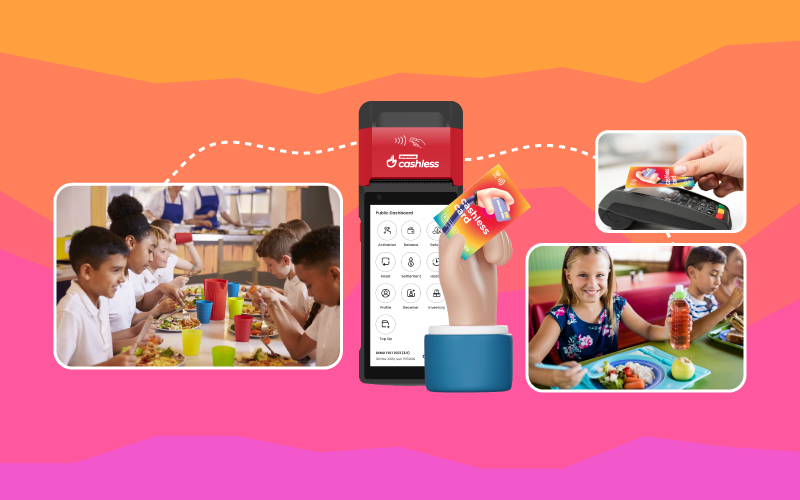
In practice, the system works smoothly. Students top up their RFID cashless prepaid cards through a top-up station. At the canteen, they present their card. The payment is processed instantly, and a digital receipt is generated. For administrators, every transaction is recorded. This record is not just about money. It is about understanding student behavior, tracking demand, and planning resources. The system becomes a tool for both convenience and management.
Key Features of Cashless Canteen Payment Solution
Here are the important features of a cashless payment system that you should consider:
1. Instant Transactions
One of the strongest features of a cashless payment system for college canteens is the ability to process payments instantly. Students no longer need to wait for staff to count cash or provide change. A simple tap or scan completes the transaction in seconds. This speed reduces queues, improves the overall flow of the canteen, and ensures that students spend more time eating and less time waiting. The sense of efficiency creates a smoother dining atmosphere, where service feels modern and reliable.
2. Top-up Prepaid Card
Many systems allow students to use prepaid cards that can be topped up with funds. This feature is especially useful for those who prefer budgeting their meals in advance. Parents or guardians can also add money to these cards, ensuring students always have access to food without worrying about carrying cash. The prepaid card becomes more than just a payment tool; it acts as a financial planner, helping students manage their daily expenses with ease.
3. Offline Transactions
A well-designed cashless payment system does not stop working when the internet connection drops. Offline transaction capability ensures that payments can still be processed even during temporary network issues. Once the connection is restored, the system updates records automatically. This feature prevents disruption in service, keeps queues moving, and reassures students that they can always rely on the system, regardless of technical hiccups.
4. Secure and Fraud Prevention
Security is at the heart of any cashless payment system. Transactions are encrypted, protecting sensitive information from misuse. Fraud prevention measures ensure that unauthorized access is blocked and suspicious activity is flagged. For students, this means peace of mind when making payments. For institutions, it means reduced risks and stronger confidence in the system. Security is not just a technical feature; it is a promise that the system values safety as much as convenience.
5. Data Tracking
Data tracking is a feature that benefits administrators and canteen operators. The system records usage patterns, identifies peak hours, and highlights popular menu items. This information helps in planning menus, managing stock, and reducing waste. It also allows institutions to understand student preferences better, making dining services more responsive. For students, data tracking indirectly improves their experience, as canteens can adjust offerings based on actual demand.
Advantages for College Administration and Canteen Operators
For administrators and canteen operators, the system is equally valuable. It reduces manual work, improves accuracy, and provides insights into student preferences.
- Enhancing Efficiency and Reducing Waiting Time
Cashless systems speed up the payment process. Staff spend less time handling cash, and queues move faster. This efficiency improves the overall flow of the canteen.
- Improving Transparency and Financial Tracking
Every transaction is recorded digitally. This makes it easier to track revenue, monitor expenses, and plan budgets. Transparency builds trust between students and institutions.
- Security and Data Protection in Cashless Payment Systems
Digital payments are encrypted and secure. Institutions can protect student data while reducing risks linked to cash handling. Security is not just about money. It is about safeguarding information.

Challenges of Implementing a Cashless Payment System for College Canteens
Major Challenges of implementing a cashless payment system for canteens are given below:
Technical Issues
Technology is powerful, but it is not perfect. A cashless payment system for college canteens depends on stable networks and reliable devices. When the internet connection drops or the system experiences glitches, payments can be disrupted. Students may feel frustrated, and staff may struggle to keep queues moving. This challenge highlights the need for backup solutions, such as offline transaction capability or alternative payment methods. Institutions must plan for these moments so that service continues smoothly even when technology falters.
Training Needs
Introducing a new system requires people to learn how to use it. Staff must understand how to operate devices, process payments, and troubleshoot basic issues. Students also need guidance, especially during the early stages of adoption. Without proper training, confusion can slow down the process and reduce confidence in the system. Clear instructions, demonstrations, and ongoing support are essential to ensure that everyone feels comfortable. Training is not just about teaching; it is about building trust in the new way of paying.
Initial Setup Costs
Setting up a cashless payment system involves investment. Institutions must purchase devices, install software, and ensure reliable internet connectivity. These costs can feel like a barrier, especially for smaller colleges. However, the long-term benefits often outweigh the initial expense. Reduced cash handling, improved efficiency, and better financial tracking save money over time. Viewing setup costs as an investment rather than a burden helps institutions embrace the change with confidence.
Resistance to Change
Not everyone welcomes change. Some students and staff may prefer traditional cash payments. They may feel more comfortable with physical money or distrust digital systems. This resistance can slow adoption and create challenges during the transition. Institutions must address these concerns with clear communication, showing the benefits of speed, safety, and convenience. Offering multiple payment options during the early stages can also ease the shift, allowing users to adapt gradually.
Best Practices for Successful Implementation
- Provide Clear Instructions and Training for Staff and Students
Training is the foundation of successful implementation. Staff must know how to operate the system, and students must understand how to use it. Clear instructions, simple guides, and demonstrations help build confidence. When people feel supported, they are more likely to embrace the system.
- Ensure Reliable Internet Connectivity and Backup Systems
A cashless payment system depends on strong connectivity. Institutions must invest in reliable internet and prepare backup solutions for times when the network fails. Offline transaction capability or alternative payment methods ensure that service continues without disruption. Reliability builds trust in the system.
- Offer Multiple Payment Options to Suit Different Preferences
Flexibility encourages adoption. Some students prefer mobile apps, while others may choose cards or prepaid accounts. Offering multiple options ensures that everyone finds a method that suits their preference. This inclusivity makes the system more appealing and reduces resistance.
- Communicate Benefits Clearly to Encourage Adoption
Communication is key.
Institutions must explain why the system is being introduced and how it benefits students and staff. Highlighting speed, safety, and convenience helps users see the value. When people understand the benefits, they are more likely to support the change.
Conclusion
A cashless payment system for college canteens is not simply a technical upgrade. It is a meaningful step toward building a digitally empowered campus where convenience, safety, and efficiency become part of everyday student life. By reducing queues, offering flexible payment options, and ensuring transparency, the system directly improves the dining experience. Students gain speed and security, while administrators benefit from accurate records and better planning.
The challenges- such as technical issues, training needs, and initial costs- are real, but they are not impossible to manage. With clear communication, reliable infrastructure, and gradual implementation, institutions can overcome these barriers. Best practices like pilot programs, multiple payment options, and strong awareness campaigns ensure that adoption is smooth and effective.
Ultimately, the cashless payment system for university canteens represents more than just a change in how meals are paid for. It reflects a broader commitment to digital transformation, where even small daily routines are reshaped to create a smarter, more connected campus. By embracing this system, colleges take a practical yet powerful step toward modernization, showing that progress often begins with the simplest of changes.