


Have you ever wondered how schools can make the simple act of buying lunch more efficient, safer, and easier for everyone involved? The answer lies in adopting cashless payment for school canteens. This approach is not only about replacing coins and notes with digital systems. It is about creating a smoother process that benefits students, parents, and schools.
By introducing a cashless payment system for modern schools, institutions can reduce stress, improve transparency, and give families more control over spending. In this blog, you will find the benefits of the cashless payment system for school canteens.
Major Advantages of Using Cashless Payment Systems in School Canteens
1. Faster Transactions
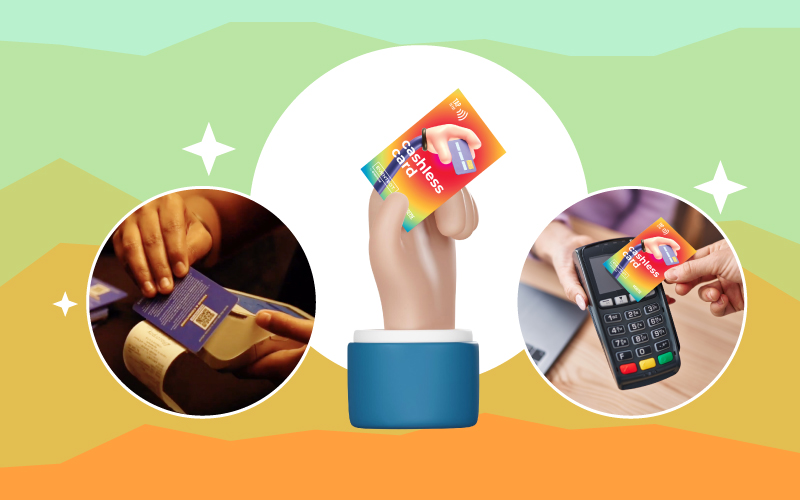
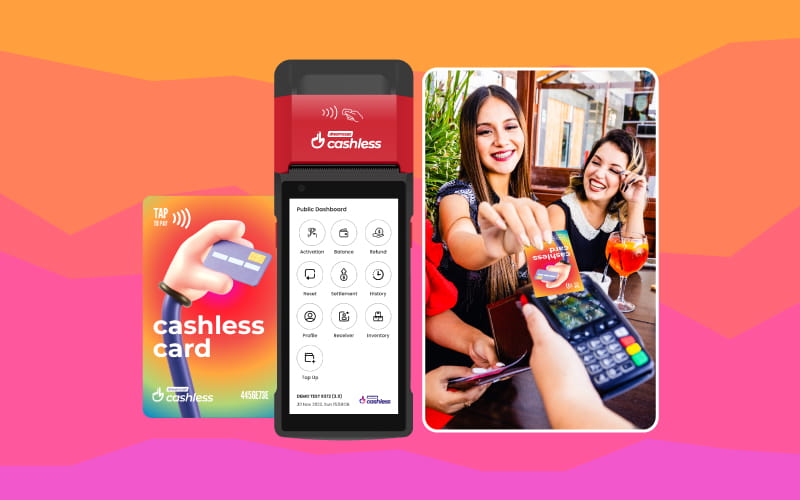
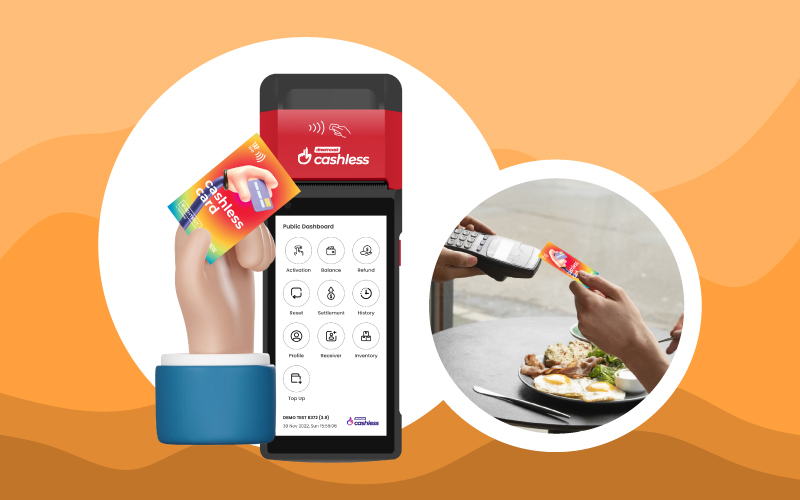
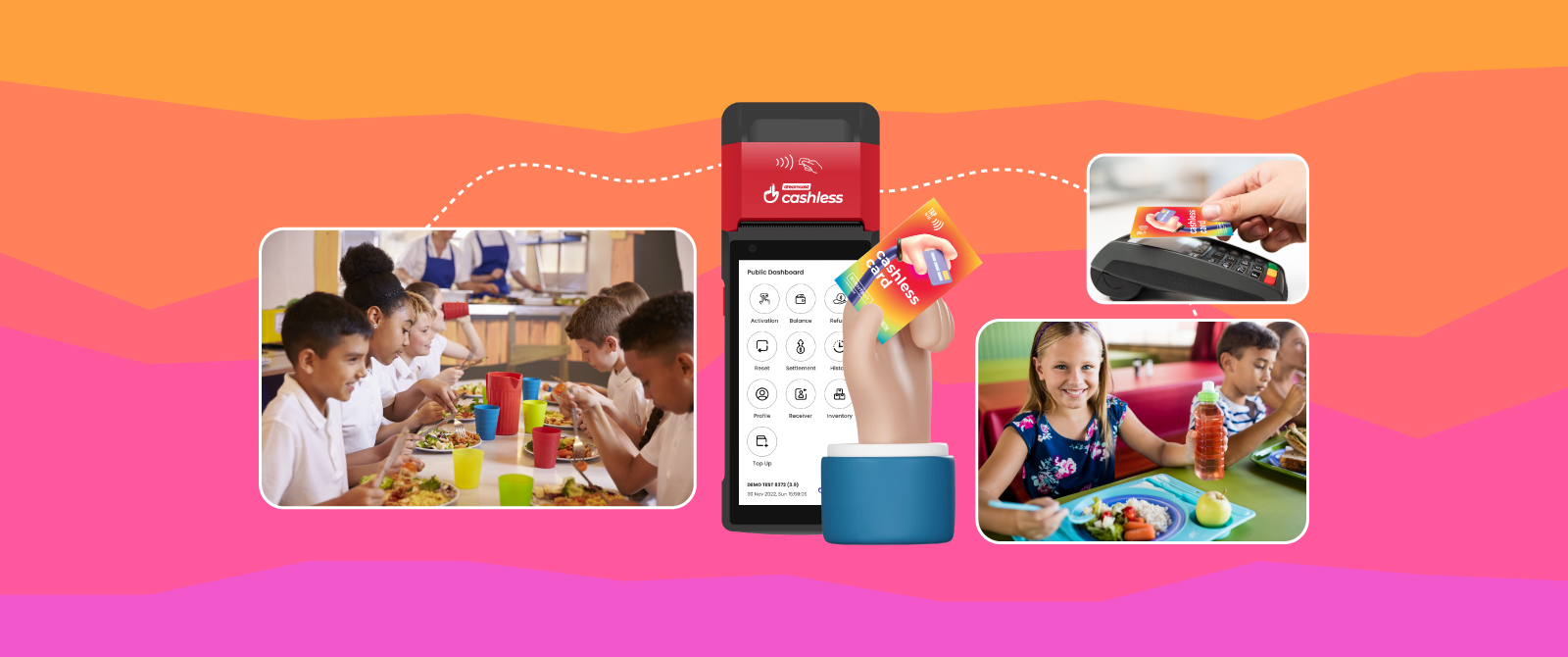
Speed is one of the most visible advantages. When students line up for meals, every second counts. Traditional cash handling slows down the process. Counting coins, waiting for change, and dealing with mistakes can waste valuable time. With a digital payment system for school canteens, transactions are completed in seconds. Students simply tap their cashless RFID cards for the school canteens or use another digital method. This keeps queues moving quickly and ensures that more students are served in less time. Staff can focus on serving food rather than handling money.
Read More: Reasons to Use RFID-Based Prepaid Cards for Cashless Canteen Management System
2. Improved Safety and Security
Carrying cash always comes with risks. Students may lose money or face theft. A cashless payment for school canteens eliminates these concerns. Funds are stored securely in accounts or linked to RFID cashless payments in schools. This means students do not need to carry physical money every day. Parents also feel reassured knowing that money is safe and cannot be misused.
3. Better Control for Parents
Parents often want to know how their children spend money at school. A cashless payment system for a modern school provides clear records of every purchase.
With digital tracking, parents can:
- See exactly what their child buys each day
- Monitor spending habits and ensure money is used wisely
- Set limits on daily or weekly spending
- Encourage healthier food choices by controlling available funds
This transparency builds trust between parents and schools. It also helps children learn responsible spending habits.
4. Encouraging Healthy Choices
Schools play a role in guiding students toward better eating habits. A digital payment system for school canteens can be designed to highlight healthier options.
For example, schools may promote certain meals within the system or make them more accessible. Parents can also monitor choices and encourage balanced diets. This is not strict control but gentle guidance supported by technology.
5. Reduced Administrative Work
Handling cash requires effort. Staff must count money, store it safely, and reconcile accounts daily. Mistakes can occur, and correcting them takes time.
A cashless payment for school canteens removes these tasks. Instead, the system automatically records transactions. Reports are generated with accuracy, reducing workload for staff.
Key advantages include:
- No need for manual cash counting
- Lower risk of accounting errors
- Automatic generation of financial reports
- Less time spent on reconciliation and paperwork
This efficiency allows staff to focus on serving students rather than managing money.
6. Easy Integration with Technology
Schools are already using digital tools for learning and management. Adding a cashless payment system for a modern school fits naturally into this environment.
RFID cards for school canteens can also serve multiple purposes. They may be used for:
- Attendance tracking
- Library access
- Entry into school facilities
- Payment for meals and snacks
This integration makes life easier for students and staff. One card can handle multiple functions, reducing the need for separate systems.
7. Flexibility in Payment Options
A digital payment system for school canteens supports different payment methods. Families can choose what works best for them. Options may include RFID cards, mobile apps, or online accounts. This flexibility ensures that the system is accessible to all. It also prepares schools for future changes in technology.
8. Promotes Hygiene
Best part? The cashless payment system is famous for promoting hygiene.
Cash handling involves physical contact. In a school environment, hygiene is important. A cashless payment for school canteens reduces the need for touching coins and notes.
This small change contributes to a cleaner and safer environment. It is especially valuable in settings where health and safety are priorities.
9. Builds Financial Awareness
Students gain valuable lessons about money management through RFID cashless payments in schools. They learn how to manage limits and understand spending better.
Benefits include:
- Clear visibility of how much money is available
- Awareness of daily spending habits
- Understanding the importance of budgeting
- Preparation for a world where digital payments are common
10. Supports Sustainability
Cash handling often involves paper receipts and waste. A digital payment system for school canteens reduces this need. Records are stored electronically, supporting sustainability efforts.
This aligns with modern practices of reducing waste and promoting eco-friendly solutions.
Read More: The Key to Smarter Data Collection and Customer Insights

Conclusion
The adoption of cashless payment for school canteens is not just about convenience. It is about building a system that benefits students, parents, and schools.
- Students enjoy faster service and safer transactions.
- Parents gain control and transparency.
- Schools save time and reduce administrative work.
With RFID cards for school canteens and RFID cashless payments in schools, the system becomes secure, efficient, and adaptable. A cashless payment system for modern schools ensures that schools are ready to meet the needs of families in a simple and effective way. The future of school canteens lies in digital solutions. A digital payment system for school canteens is the path toward smarter, safer, and healthier school environments.
FAQs
A cashless payment system for school canteens is a digital method that allows students to pay for meals without using cash. It often uses RFID cards for school canteens or mobile apps linked to secure accounts.
RFID cashless payments in schools work by assigning each student an RFID card or tag. When the card is tapped at the canteen counter, the system deducts the meal cost from the student’s account. This makes transactions quick, safe, and easy to track.
Schools benefit from adopting a cashless payment system for a modern school because it:
1. Speeds up transactions during busy meal times
2. Reduces risks linked to carrying cash
3. Provides parents with clear records of spending
4. Cuts down administrative work for staff
Absolutely. Since students and staff do not need to handle coins or notes, a cashless payment for school canteens reduces physical contact. This supports a cleaner and safer environment.