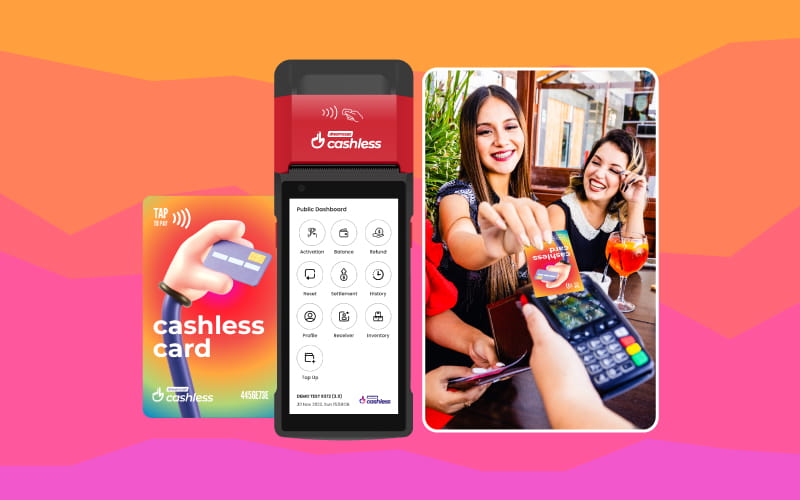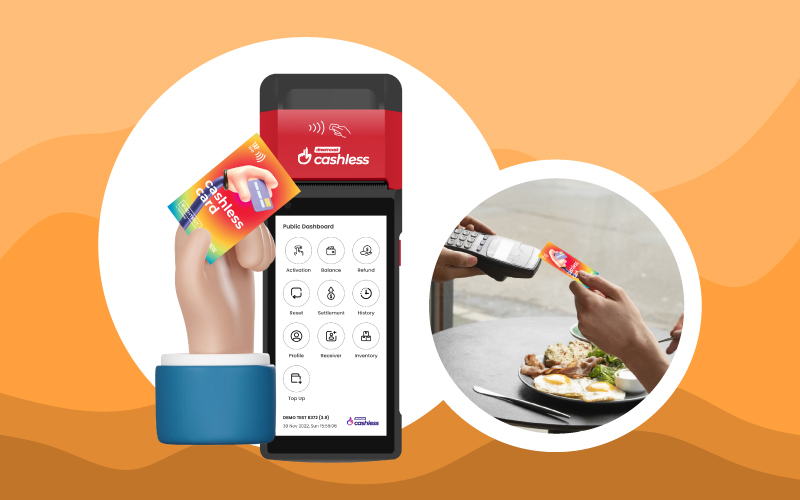




How can thousands of people at a large event pay quickly and smoothly without facing delays or frustration? The answer lies in offline-enabled contactless payments. When crowds gather, internet networks often struggle. A payment system that works even without connectivity ensures that transactions continue, vendors keep selling, and attendees enjoy the event without interruptions.
Understanding Offline-Enabled Contactless Payments
A cashless payment system allows people to pay without using physical cash. Instead of handling coins or notes, attendees use cards, wristbands, or mobile devices. This approach speeds up transactions, reduces errors, and makes the overall process smoother for both vendors and customers.
Definition of Contactless Payments
Contactless payments are transactions made by tapping a card, wristband, or phone against a reader. The process is quick, secure, and does not require swiping or inserting cards. The simplicity of the tap makes it ideal for environments where speed and convenience are essential.
Technologies Used
- RFID wristbands: Small chips embedded in wristbands allow attendees to pay with a simple tap.
- NFC cards: Cards equipped with near-field communication technology enable fast, secure transactions.
- Mobile wallets: Smartphones with wallet apps provide another layer of convenience, letting users pay digitally without carrying physical cards.
What Does Offline Capability Mean?
Offline capability means the system can continue processing payments even when internet connectivity is unavailable. Instead of stopping transactions, the system records them securely in offline mode. Once connectivity is restored, all stored transactions are synchronized with the central server. This ensures accuracy, prevents duplication, and keeps the flow of payments uninterrupted
Why Internet Connectivity Fails at Large Events
Large gatherings often push digital infrastructure to its limits. When thousands of people arrive at the same venue, each carrying a phone or device, the demand for bandwidth rises sharply. Networks that usually perform well in smaller settings begin to slow down or even collapse under the weight of so many simultaneous users.
- High network congestion: With thousands of devices competing for bandwidth, connections become unstable. Even simple tasks like sending a message or refreshing a page can take longer than expected.
- Temporary outages: Networks sometimes fail when overloaded. A sudden outage can halt all online transactions, leaving vendors unable to process payments.
- Remote locations: Many large events are hosted in areas where connectivity is naturally weak. Rural or outdoor venues often lack strong infrastructure, making reliable internet access difficult.
- Infrastructure limitations: Outdoor venues may not have the same level of network support as indoor facilities. Limited equipment and temporary setups often struggle to handle heavy demand.
These challenges have direct consequences. Vendors lose sales when payments cannot be processed. Attendees face long queues, delays, and frustration. The overall atmosphere of the event suffers when something as basic as buying food or merchandise becomes complicated.
Connectivity failures are not just technical issues; they are human experience issues. When people wait too long in line, they lose patience.
When vendors cannot serve customers, they lose revenue. When organizers cannot guarantee smooth operations, they risk damaging the reputation of the event. This is why offline-enabled contactless payments are more than a convenience. They are a safeguard against the unpredictable nature of large gatherings, ensuring that the flow of transactions continues even when the network does not.
Key Benefits of Offline-Enabled Contactless Payments for Large Events
When thousands of people gather in one place, every second counts. Payment systems must be fast, reliable, and secure. Offline-enabled contactless payments bring several clear benefits that make them vital for large-scale events.
Faster Transactions and Reduced Queues
Payments are completed in seconds. Attendees tap their card, wristband, or phone, and the process is done. This speed reduces waiting times, keeps lines short, and allows people to spend more time enjoying the event rather than standing in queues.
Uninterrupted Payments Even Without Internet
One of the strongest advantages is continuity. Vendors can keep selling even during outages. Offline capability ensures that transactions are recorded securely and later synced when connectivity returns. This prevents sales from stopping and keeps the event running smoothly.
Improved Attendee Experience
Attendees want convenience. They do not want to worry about payment delays or failed transactions. Offline-enabled systems provide peace of mind. People can move freely, buy what they need, and focus on the event itself. The overall experience feels seamless.
Higher Vendor Revenue
Continuous sales lead to increased earnings. Vendors do not lose money during downtime. Every transaction is captured, even when the internet is unstable. This reliability directly boosts revenue and builds confidence in the system.
Enhanced Operational Efficiency
Staff spend less time managing queues and troubleshooting payment issues. Instead, they focus on serving customers. This efficiency improves the flow of the event and reduces stress for both vendors and organizers.
Better Data and Transaction Tracking
Transactions are stored securely and synced later. This ensures accurate records, prevents duplication, and provides organizers with clear insights into sales patterns. Vendors benefit from reliable reporting, while organizers gain valuable data for planning future events.

How Offline Contactless Payment Systems Work
When a payment is made offline, the system does not stop functioning. Instead, it records the transaction securely within the device or card reader. This means that even if the internet connection is weak or completely unavailable, the payment is still captured.
The process works in two stages:
1. Transaction Recording in Offline Mode
- The system stores the payment details locally.
- Each transaction is encrypted to ensure security.
- Spending limits may be applied to prevent misuse during offline periods.
2. Synchronization Once Connectivity Returns
- When the internet connection is restored, the system automatically syncs all stored transactions with the central server.
- Vendors receive accurate payment records.
- Attendees’ accounts are updated correctly, ensuring no duplication or loss of data.
This design ensures that vendors can continue selling without interruption and attendees can keep enjoying the event without worrying about failed payments. The offline mode acts as a safety net, while the synchronization process guarantees accuracy once the system reconnects.
Offline-enabled systems are not just about recording transactions. They are about maintaining trust. Vendors trust that their sales are secure, and attendees trust that their payments will be processed correctly. The system bridges the gap between temporary network failures and smooth event operations, making it a critical part of large-scale gatherings.
Where Offline Contactless Payments Are Most Useful
Offline-enabled systems shine the brightest in environments where large crowds gather and where connectivity is either unstable or overloaded. These are the moments when smooth transactions matter most, and the ability to process payments without relying on internet access becomes a true advantage.
- Music festivals: Crowds are massive, and networks often struggle to keep up. Offline payments ensure that attendees can buy food, drinks, or merchandise without delays.
- Sports stadiums: Thousands of fans make purchases at the same time, especially during breaks. Offline capability keeps transactions flowing even when the network slows down.
- Trade shows and exhibitions: Vendors rely on quick transactions to maximize sales. Offline systems prevent interruptions and help exhibitors focus on engaging with customers.
- Theme parks: Visitor flow is continuous throughout the day. Offline-enabled payments keep rides, shops, and food stalls running smoothly without worrying about connectivity.
- Food festivals: Multiple stalls serve large crowds simultaneously. Offline systems reduce queues and allow vendors to keep selling even if the internet drops.
- Corporate events: Professional gatherings demand efficiency. Offline payments reflect reliability and ensure smooth operations, reinforcing the event’s credibility.
Each of these events benefits not only from uninterrupted transactions but also from the confidence that comes with reliability. Attendees feel reassured when payments work instantly, vendors remain focused on service rather than troubleshooting, and organizers maintain control over the event’s flow. Offline-enabled contactless payments act as the invisible backbone of these experiences, quietly ensuring that the energy of the crowd is never disrupted by technical failures.
Key Features to Look for in an Offline Contactless Payment Solution
When event organizers evaluate platforms for offline-enabled contactless payments, they need to focus on features that guarantee reliability, security, and efficiency. These features are not just technical checkboxes; they directly influence how smoothly an event runs and how satisfied both vendors and attendees feel.
Secure offline transaction processing
The system must be able to record transactions safely even when the internet is unavailable. Encryption ensures that sensitive data remains protected until it can be synced.- Real-time syncing when the network returns. Once connectivity is restored, the system should automatically update all stored transactions with the central server. This prevents duplication, ensures accuracy, and keeps records consistent.
RFID / NFC compatibility
Compatibility with RFID wristbands and NFC cards is essential. These technologies allow fast, tap-based payments that reduce queues and improve convenience.
Vendor dashboard and reporting tools
Vendors benefit from clear dashboards that show sales data, transaction history, and performance insights. Organizers also gain valuable reporting for planning future events.
Fraud prevention mechanisms
Spending limits during offline mode, secure chips, and monitoring tools help prevent misuse. These safeguards build trust among vendors and attendees.
Fast POS devices for vendors
Point-of-sale devices must be quick, reliable, and easy to use. A slow or complicated device can undo the benefits of offline capability.
These features work together to create a system that is not only functional but dependable. Secure offline processing ensures continuity, syncing guarantees accuracy, and fraud prevention builds trust. RFID and NFC compatibility add speed, while dashboards and reporting provide clarity. Fast POS devices tie everything together, giving vendors the confidence to serve customers without hesitation. Offline-enabled contactless payment solutions are more than just tools. They are the backbone of modern event management, quietly ensuring that every transaction is smooth, safe, and efficient
Final Words
Offline-enabled contactless payments are not just convenient, they are essential for large-scale events. They solve problems caused by weak connectivity, reduce queues, and improve both vendor revenue and attendee satisfaction. A cashless payment system with offline capability ensures that events run smoothly, vendors remain confident, and attendees enjoy a seamless experience. By adopting contactless payment solutions with offline capabilities, organizers create a reliable foundation for successful events.
FAQs
Offline-enabled contactless payments are transactions made using cards, wristbands, or mobile devices that can be processed even without internet connectivity. The system records the payment securely and syncs it once the connection is restored.
Large events often face network congestion or outages. Offline payments ensure vendors can continue selling and attendees can keep buying without interruptions, keeping the event smooth and enjoyable.
When a payment is made offline, the system stores the transaction securely. Once internet connectivity returns, all stored data is synchronized with the central server, ensuring accuracy and preventing duplication.
Common technologies include RFID wristbands, NFC-enabled cards, and mobile wallets. These allow quick tap-based transactions that reduce queues and improve convenience.
Yes. Modern systems use encryption, secure chip technology, and spending limits during offline mode. Once online, automatic reconciliation ensures all records are accurate and safe.
Vendors can continue selling even during outages, which increases revenue. They also save time by avoiding long queues and failed transactions, making operations more efficient.