
The year 2026 is shaping up to be a turning point for digital events. More organizers are looking for ways to bring people together in meaningful ways, and the demand for tools that support networking is stronger than ever. The focus is not only on hosting events but also on ensuring that participants feel engaged, valued, and connected with others. This is where an event networking software platform becomes central. Adoption of such platforms is not automatic. People need reasons to use them, and organizers need strategies to encourage adoption.
Without clear guidance, even the best event networking platform may remain underused. That is why practical tips are important. Below are seven tips that can help drive adoption in 2026.
Best Tips To Maximize The Use Of Event Networking Software Platform
Tip 1: Start with a Clear Purpose
Every event has a reason behind it. Some are about learning, others about collaboration, and many about building professional ties. If the purpose is not clear, participants will not see why they should use the platform.
When introducing an event networking software platform, organizers should explain how it supports the event’s goals. For example, if the event is about professional growth, highlight how the platform helps attendees meet peers with similar interests. If the event is about community building, show how the platform acts as a networking platform for communities.
Clarity builds trust. When people understand why they are asked to use a tool, they are more likely to adopt it.
Tip 2: Make Onboarding Simple
A platform may have many features, but if onboarding feels complex, adoption will suffer. People want to get started quickly. They do not want to spend hours figuring out how to log in or set up a profile.
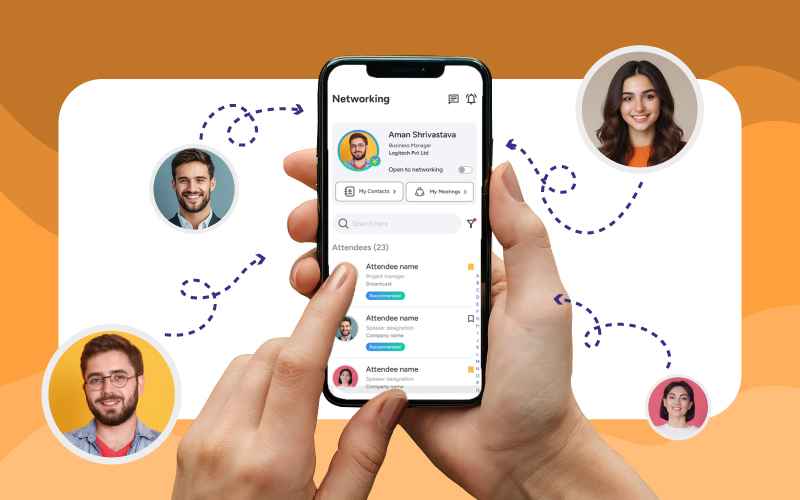
Organizers should design onboarding that feels natural. A short guide, a welcome message, or a simple checklist can make a big difference. The goal is to reduce friction and help participants feel comfortable. When onboarding is smooth, participants are more likely to explore features such as the event matchmaking app. This app can help them find relevant contacts, but only if they first feel confident using the platform.
Tip 3: Highlight Networking Value
Networking is often the main reason people attend events. They want to meet others, exchange ideas, and build relationships. If the platform does not highlight this value, adoption will remain low. Organizers should emphasize how the event networking platform makes networking easier. For example, they can show how the platform suggests matches based on interests or how it allows quick scheduling of one-on-one chats.
Participants should feel that the platform is not just another tool but a gateway to meaningful interactions. When they see the value, they will be motivated to use it.
Tip 4: Encourage Early Engagement
Adoption does not happen overnight. People need time to get familiar with the platform. That is why early engagement is important.
Organizers can encourage participants to log in before the event begins. They can ask them to set up profiles, explore features, and even start connecting with others. This early activity builds momentum. By the time the event starts, participants already feel comfortable. They know how to use the event matchmaking app, they understand how to send messages, and they are ready to engage. This preparation increases adoption during the event itself.
Tip 5: Provide Ongoing Support
Even with simple onboarding, some participants may face challenges. They may not know how to use certain features or may feel unsure about the platform. Without support, they may stop using it. Organizers should provide ongoing support. This can be through FAQs, live chat, or quick tutorials. The goal is to make participants feel that help is always available. Support also shows that the organizers care. When participants feel supported, they are more likely to continue using the platform. This builds long-term adoption and ensures that the networking platform for communities remains active even after the event ends.
Tip 6: Showcase Success Stories
It is true that people are motivated when they see results. If participants hear that others have made valuable connections through the platform, they will be more likely to use it themselves. Organizers can share success stories during the event. For example, they can highlight how someone found a mentor or how two participants collaborated on a project. These stories show the real value of the platform.
Success stories also create excitement. They make participants feel that they, too, can benefit. This emotional pull drives adoption and keeps the event networking software platform relevant.
Tip 7: Keep Improving the Experience
Adoption is not a one-time task. It requires continuous effort.
If the platform feels outdated or if features do not meet participant needs, adoption will decline.
Organizers should gather feedback and keep improving the experience. They should ask participants what they liked, what they found difficult, and what they want in the future. This feedback can guide updates and ensure that the platform remains useful.
Improvement also shows commitment. When participants see that the platform is growing with their needs, they are more likely to stay engaged. This ensures that the event networking platform continues to thrive in 2026 and beyond.
Why Adoption Matters
Adoption is more than just numbers.
It is about creating value for participants. When people use the platform, they connect with others, learn new things, and build relationships. This makes the event more successful.
For organizers, adoption also provides insights. They can see which features are most used, which sessions attract attention, and which networking patterns emerge. These insights can guide future events and make them even better. Without adoption, the platform is just technology. With adoption, it becomes a tool that transforms events.
Building Communities Beyond Events
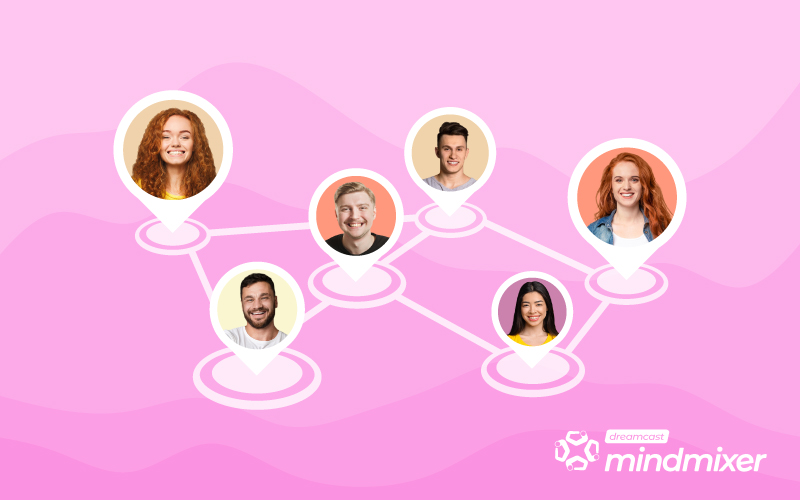
Events may last a few days, but communities last longer. A strong networking platform for communities allows participants to stay connected even after the event ends. This extended engagement is valuable. It keeps the event alive in people’s minds and builds loyalty. Participants feel that they are part of something bigger.
For organizers, this extended community also provides opportunities. They can host follow-up sessions, share updates, and keep participants engaged. This long-term value makes adoption even more important.
Balancing Formal and Casual Tone
Driving adoption is not only about features. It is also about communication. If organizers sound too formal, participants may feel distant. If they sound too casual, participants may not take the platform seriously. The best approach is a mix of both. Communication should be professional but also friendly. It should make participants feel welcome while also showing that the platform is reliable. This balance creates a pleasant experience. Participants enjoy using the platform and feel confident in its value.
Storytelling as a Tool
Facts are important, but storytelling makes them memorable. When organizers explain adoption strategies through stories, participants pay more attention. For example, instead of saying “use the matchmaking app,” organizers can describe how someone used it to meet a peer with similar interests. This story makes the feature feel real and valuable. Storytelling also creates emotional impact. It helps participants imagine themselves using the platform. This imagination drives adoption and makes the event networking software platform more engaging.
Final Words:
Driving adoption of an event networking platform in 2026 requires clear purpose, simple onboarding, highlighted value, early engagement, ongoing support, success stories, and continuous improvement. Each tip plays a role in making participants feel that the platform is worth their time. The event matchmaking app adds excitement and relevance, while the networking platform for communities extends engagement beyond the event. Together, they create a complete experience that participants enjoy.
Adoption is not just about technology. It is about people. When participants feel that the platform helps them connect, learn, and grow, they will continue to use it. This makes events more successful and communities stronger.
FAQs
An Event Networking Software Platform is a digital tool designed to help participants connect during events. It provides features such as matchmaking, chat, and community spaces that make networking easier and more organized.
Adoption matters because, without active use, the platform cannot deliver value. When participants engage, they build relationships, share knowledge, and strengthen the overall impact of the event.
A Networking Platform for Communities extends beyond the event itself. It allows participants to stay connected, continue discussions, and build long-term communities that last after the event ends.
An event matchmaking app helps participants find relevant contacts quickly. It suggests matches based on interests or goals, saving time and increasing the chance of meaningful interactions.