

Event formats have become the backbone of how organizations, communities, and industries bring people together. Whether it is a large-scale conference or a small workshop, the way an event is structured decides how participants engage, learn, and remember the experience. Event planning strategy is no longer only about logistics. It is about blending creativity with event technology to create formats that feel natural and purposeful.
This blog explores different types of event formats, why they matter in 2026, and the strategies and technologies that make them successful. By the end, you will see how event formats and technology work hand in hand to shape the future of gatherings.
Why Event Formats Matter in 2026
The year 2026 is shaping up to be a turning point for events. People expect more than just a gathering. They want experiences that are structured, interactive, and supported by event technology. Event formats matter because they set the tone. A poorly chosen format can leave attendees disengaged, while the right format can spark conversations, build networks, and deliver value.
Event planning strategy in 2026 must focus on clarity. Organizers need to ask: What is the purpose of the event? Who is the audience? Which event formats will deliver the best outcome? The answers to these questions guide the choice of format and the technology that supports it.
Different Types of Event Formats That You Should Know
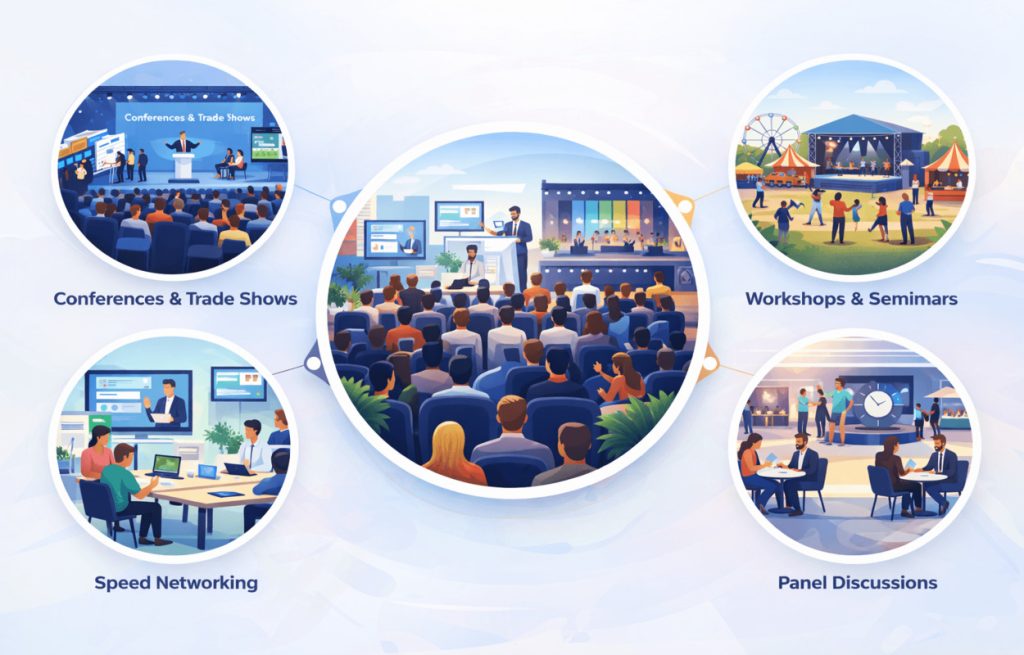
There are many types of events, but five formats stand out as the most impactful. Each format has its own strengths, technologies, and strategies. Let us explore them one by one.
Event Format #1. Conferences and Trade Shows
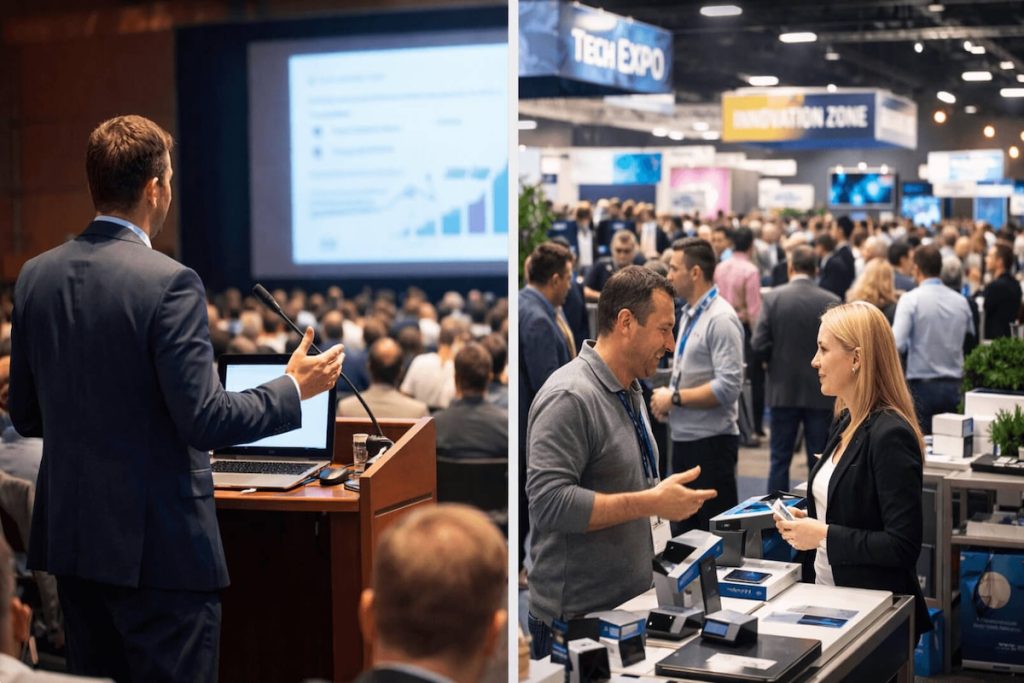
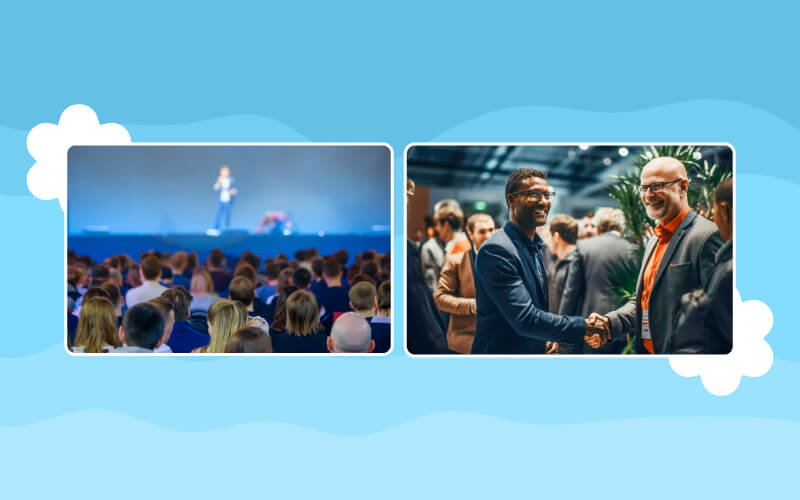
Conferences and trade shows remain one of the most popular types of event formats. They bring together professionals, businesses, and thought leaders under one roof. The scale is usually large, and the planning requires careful attention.
Essential Technologies to Host Conferences and Trade Shows
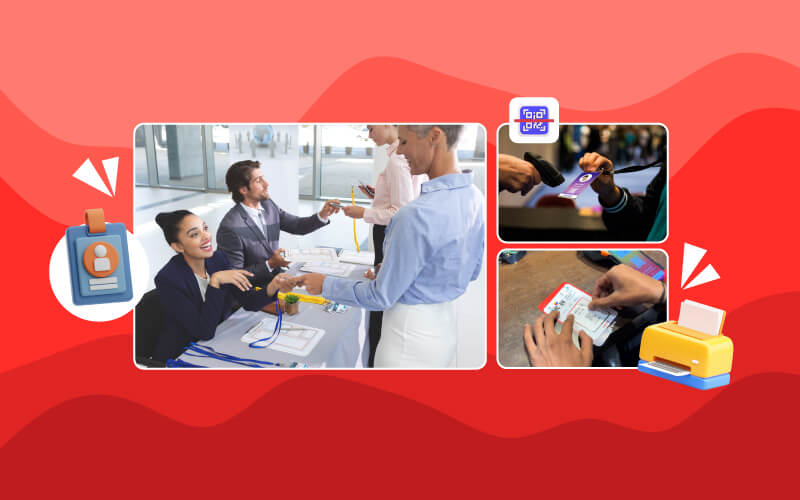
- Event registration & ticketing platforms: Event registration and ticketing platforms, such as Dreamcast, handle event ticketing, check‑ins, and badge printing. They reduce queues and give organizers real‑time data on attendance.
- Mobile event apps: Attendees can view schedules, speaker bios, and exhibitor lists. Push notifications keep them updated on session changes.
- Virtual streaming tools: Hybrid events need reliable platforms that allow remote participants to join easily, with interactive chat and Q&A features.
- Digital booths: Exhibitors can showcase products virtually, offering brochures, videos, and live demos to both in‑person and online visitors.
- Analytics dashboards: Organizers can track session popularity, booth visits, and engagement metrics to measure ROI.
- Networking platforms: Dreamcast’s AI-powered event networking platform matches attendees based on interests and allows them to schedule meetings, making the event more valuable.
Strategies to Host Conferences and Trade Shows
- Define clear goals for the conference or trade show.
- Segment the audience and design sessions for each group.
- Use event technology to manage registrations and reduce manual errors.
- Create networking spaces, both physical and digital.
- Offer hybrid options to include remote participants.
- Collect feedback during and after the event.
- Keep exhibitor and sponsor visibility high with digital tools.
Event Format #2. Interactive Workshops and Seminars
Workshops and seminars are smaller, more focused formats. They are designed for learning and skill development. Unlike conferences, workshops emphasize hands‑on activities, group discussions, and practical exercises. Seminars lean more toward structured presentations but still allow interaction. These formats are perfect when the goal is to teach, train, or build expertise in a specific area. They thrive on active participation rather than passive listening.
Essential Technologies to Host Interactive Workshops and Seminars
- Interactive event platform: Platforms that allow live polls, quizzes, and annotations keep participants engaged.
- Polling and Q&A platforms: Real‑time feedback helps facilitators adjust content and keep discussions lively.
- Learning management systems (LMS): Useful for storing resources, assignments, and recordings for participants to access later.
- Video conferencing software: Hybrid workshops benefit from breakout rooms, screen sharing, and recording options.
- Attendance tracking systems: Organizers can monitor participation and issue certificates or credits based on attendance.
Strategies to Host Interactive Workshops and Seminars
- Keep group sizes manageable for better interaction.
- Use event formats and technology to encourage participation.
- Plan activities that mix theory with practice.
- Provide digital resources before and after the session.
- Track attendance and engagement with analytics.
- Encourage peer-to-peer learning through breakout sessions.
Related Blog: How to Manage Event Registration For Meetings, Conferences & Workshops
Event Format #3. Community-Focused Festivals
These festivals are about culture, entertainment, and shared experiences. They bring communities together around themes such as art, food, music, or wellness. Unlike professional events, festivals are less formal and more about enjoyment and connection. They often span multiple days, with performances, stalls, and activities spread across large venues. The format is designed to create a sense of belonging and celebration.
Essential Technologies to Host Community‑Focused Festivals
- Ticketing platforms: Online ticket sales with QR codes simplify entry and reduce manual errors.
- Event apps with maps and schedules: Attendees can navigate venues, check performance times, and receive updates instantly.
- Cashless payment systems: Dreamcast cashless payment solutions, such as contactless cards, POS, or RFID wristbands, make transactions faster and safer.
- Social media integration: Live feeds and hashtags encourage attendees to share experiences, boosting visibility.
- Safety monitoring tools: Crowd management systems, emergency alerts, and surveillance help organizers maintain security.
- Volunteer management software: Coordinating staff and volunteers becomes easier with scheduling and communication tools.
Strategies to Host Community-Focused Festivals
- Build a clear theme that resonates with the community.
- Use event technology to manage ticketing and entry.
- Ensure safety with monitoring systems.
- Provide cashless options for convenience.
- Promote the festival through digital channels.
- Keep communication open with attendees before and during the event.
Event Format #4. Panel Discussions
Panel discussions are structured conversations among a group of experts or thought leaders. The format is simple: a moderator guides the discussion while panelists share insights and debate ideas. Panels are usually part of larger events, but can also stand alone. They are valuable because they bring multiple perspectives to one topic, giving the audience a balanced view. The success of a panel depends on good moderation and active audience involvement.
Essential Technologies to Host Panel Discussions
- Event registration platform: Dreamcast’s event registration platform can help you to simplify the event registration process.
- Live streaming platforms: Panels can reach a wider audience through reliable streaming with interactive features.
- Audience Q&A tools: Apps or platforms allow attendees to submit questions in real time, keeping discussions dynamic.
- Recording tools: Sessions can be archived and shared later as on‑demand content.
- Breakout Room: Virtual event platform’s breakout room feature allows organizers to split participants into smaller groups for focused discussions
- Feedback collection systems: Post‑event surveys provide insights into audience satisfaction.
Strategies to Host Panel Discussions
- Select panelists with diverse perspectives.
- Prepare a clear agenda and share it with the audience.
- Use event technology to allow live questions.
- Keep discussions focused and avoid drifting.
- Train moderators to manage time and flow.
- Record sessions for later use.
- Encourage audience participation through polls and feedback.
Event Format #5. Speed Networking
Speed networking is a fast‑paced format designed to maximize connections in a short time. Attendees meet one another in timed sessions, usually lasting a few minutes, before moving on to the next person. The format is structured, efficient, and highly interactive. It is perfect for professionals who want to expand their network quickly. Unlike casual networking, speed networking ensures that everyone gets equal opportunities to meet multiple people.
Essential Technologies to Host Speed Networking
- Networking platforms with timed sessions: These tools automatically rotate participants, ensuring everyone meets multiple people.
- AI‑based matchmaking tools: Algorithms match attendees based on interests, industries, or goals.
- Scheduling software: Organizers can pre‑assign slots and avoid overlaps.
- Mobile apps for reminders: Notifications keep participants on track during fast‑paced sessions.
- Feedback collection systems: Attendees can rate interactions, helping organizers refine future events.
- Digital contact exchange tools: QR codes or NFC cards allow instant sharing of contact details.
- Analytics dashboards: Organizers can measure how many connections were made and track engagement.
- Follow‑up platforms: Automated emails or networking portals help attendees continue conversations after the event.
Strategies to Host Speed Networking
- Define the purpose of networking clearly.
- Use event technology to match participants effectively.
- Keep sessions short but structured.
- Provide clear instructions before starting.
- Allow follow-up options after the event.
- Track participation with analytics.
- Encourage attendees to prepare short introductions.
- Collect feedback to improve future sessions.
How Dreamcast Can Help You Host Successful Events
Dreamcast offers solutions that combine event formats and technology in one place. Whether you are planning conferences, workshops, festivals, panels, or networking sessions, Dreamcast provides tools that simplify the process.
- Registration and ticketing systems that reduce manual work
- Smart event check-in solutions to simplify the check-in process
- Mobile event apps that keep attendees informed
- Streaming platforms for hybrid participation
- Networking tools that connect people effectively
- Analytics dashboards that measure success
- Cashless payment system to simplify the payment process during the event
With Dreamcast, event planning strategy becomes easier. Organizers can focus on content and experience while the technology takes care of logistics. The result is events.
Related Blog: Best Event Check-in Tools to Ease Your Event Entry Management By Dreamcast
Final Words:-
Event formats are more than structures. They are strategies that shape how people interact, learn, and connect. The types of event formats discussed here show how technology and planning come together to create meaningful experiences. From conferences to speed networking, each format has its own role. Event technology is no longer optional. It is the foundation of successful events in 2026. By combining a clear event planning strategy with the right tools, organizers can deliver events that meet expectations and create lasting impact. Dreamcast stands ready to support these efforts, making sure every event is not only planned but powered by technology.