


Enterprise event technology solutions help organizations manage critical event operations such as registration, ticketing, attendee check-ins, accreditation, and access control. These solutions are built to handle high-footfall events with complex requirements while ensuring smooth crowd movement, attendee engagement, data security, and real-time event insights. For large-scale conferences, exhibitions, government events, and festivals, enterprise event technology partners play a crucial role in improving operational efficiency, reducing manual errors, strengthening security, and enabling seamless coordination across multiple venues and event locations. With over 5,000 events successfully delivered, Dreamcast has established itself as a trusted enterprise event technology partner for high-profile events, including the Jaipur Literature Festival 2026, which welcomed more than 300,000 attendees.
Mega events are different from a regular gathering. They have a bigger scale, are more visible, and have more complexity because there are thousands of people to manage. Mega Events management involves shaping an experience that feels smooth and organized despite the complexity. Enterprise event management solutions step in as the backbone of this process. They provide structure, automation, and oversight that regular tools cannot match.
In this blog, we will look at what defines high-profile mega events, why technology is critical, and the challenges organizers face. From smart check-in systems to cashless payments, each solution plays a role in keeping large-scale event management efficient. By the end, you will see how enterprise event management solutions not only solve problems but also improve outcomes for both organizers and attendees.
What Are High-Profile Mega Events?
High-profile mega events refer to events that attract global attention, draw tens of thousands to hundreds of thousands of attendees, and demand flawless execution.
Mega events and regular events are not just a matter of size. It is about visibility, risk, and impact. A regular event may involve a few hundred attendees, while a mega event may involve tens of thousands spread across multiple venues.
Examples of high-profile mega events include large international conferences, global expos, major sports tournaments, and government-led events that bring together leaders and citizens on a massive scale.
Here’s a detailed comparison of regular events and mega events for better clarity. Read on!
| Factor | Regular Events | Mega Events |
| Attendance scale | Hundreds to a few thousand attendees | Tens of thousands to hundreds of thousands of attendees |
| Registration and check-in complexity | Single entry point, linear registration flow | Multiple entry zones, accreditation tiers, and simultaneous check-in streams |
| Technology requirements | Basic ticketing and on-site coordination | End-to-end event tech stack covering registration, RFID, access control, cashless payments, and real-time analytics |
| Security and access control | General entry management with minimal zoning | Multi-zone access control with role-based permissions, credential verification, and on-ground security integration |
| Data and analytics needs | Post-event reports, basic attendance data | Live dashboards, real-time crowd movement tracking, vendor performance data, and multi-day insights |
| Operational risk | Manageable with a small team and standard tools | Requires dedicated technology partners, contingency planning, and redundant systems to prevent failure at scale |
What is Enterprise Event Technology?
Enterprise event technology is a suite of digital tools and systems built to plan, manage, and execute large-scale events without operational breakdowns. It goes beyond basic event software. It is infrastructure. The kind that holds together an event with 50 entry points, 200 vendors, 10 access zones, and 100,000 attendees checking in across two days.
Dreamcast is one such enterprise event technology platform, built specifically for high-footfall and high-complexity events. With 5,000+ events managed across corporate summits, cultural festivals, and large-scale expos, including the Jaipur Literature Festival 2026 with 300,000+ attendees, Dreamcast brings together the full event tech stack under one roof.
Read more about how Dreamcast successfully pulled off check-ins and more at the JLF, 2026: Click Here.
Where standard event tools handle one thing at a time, enterprise event technology handles everything at once. Registration, check-in, access control, cashless payments, crowd management, and real-time analytics all run on a single connected system. Every part talks to every other part.
Here’s a list of other enterprise event technology providers leading the game:
| Platform | Core Strengths |
|---|---|
| Dreamcast | End-to-end stack: registration, RFID, QR-code, facial recognition check-in, cashless payments, access control, and live analytics, 10-second on-site badge printing. |
| Cvent | Venue sourcing and attendee engagement |
| Eventbrite | Ticketing, discovery, and basic on-site tools |
| Bizzabo | Attendee experience, hybrid event support, and event data |
| RainFocus | Data-driven event management and CRM integration |
| Whova | Networking, agenda management, and mobile app experience |
Why Enterprise Event Technology Is Critical in 2026
Without advanced systems, organizers risk delays, confusion, and poor attendee experiences. Enterprise event management solutions provide centralized control, automation, and real-time monitoring. They ensure that every aspect of the event, from event registration to networking, is managed with precision. Technology becomes the silent partner that keeps everything running smoothly.
Here is why enterprise event technology has become non-negotiable in 2026.
Reason 1: Managing Scale Efficiently
Mega events involve thousands of attendees, multiple entry points, and overlapping schedules. Technology helps manage this scale by automating tasks that would otherwise require large teams and manual effort.
Read how Dreamcast helped a global scale event like World Food India 2025 streamline event operations including key processes like attendee data cleansing, badge production, access control, and check-ins.
Reason 2: Reducing Manual Errors
Paper-based systems or basic tools often lead to mistakes in ticketing, check-ins, or scheduling. Enterprise solutions reduce these errors by digitizing processes and ensuring accuracy.
Reason 3: Real-Time Control And Visibility
Organizers need to know what is happening at every moment. Dashboards and live monitoring tools provide instant updates, allowing quick responses to issues before they grow.
Reason 4: Enhancing Attendee Experience
Smooth check-ins, easy access to information, and personalized communication improve how participants feel about the event. Technology ensures that attendees spend less time waiting and more time engaging.
Reason 5: Ensuring Data Security
High-profile events management involves sensitive information such as attendee details and payment records. Enterprise systems protect this data with secure platforms, reducing risks of breaches or misuse.
Reason 6: Supporting Multi-Venue Coordination
Mega events often span across different halls, stadiums, or even cities. Enterprise solutions allow organizers to synchronize schedules, resources, and communication across all locations.
Reason 7: Improving Staff Productivity
When repetitive tasks are automated, Event staff can focus on higher-value responsibilities such as guest support and problem-solving. This leads to smoother operations overall.
Reason 8: Providing Post-Event Analytics
Data collected during the event can be analyzed to understand attendee behavior, revenue streams, and operational efficiency. These insights help organizers refine strategies for future events.
What are the Key Challenges in Managing High-Profile Mega Events?
Managing mega events comes with unique challenges that go far beyond what regular gatherings face. Each challenge adds layers of complexity, and without strong systems, even small issues can grow quickly.
- Handling thousands of attendees across multiple entry points
Crowd flow is one of the biggest concerns. When thousands arrive at the same time, organizers must ensure smooth movement without bottlenecks. Technology-driven entry systems help manage this scale, but planning and coordination remain critical.
- Ensuring safe access without slowing down the flow of people
Security cannot be compromised, yet attendees expect quick entry. Balancing safety with speed requires smart check-in tools such as turnstile access and facial recognition. These solutions keep lines moving while maintaining strict control.
- Keeping participants informed and connected throughout the event
Communication is vital. Attendees need schedules, updates, and directions in real time. Without clear information, confusion spreads. Mobile apps and digital platforms make it easier to keep everyone connected and engaged.
- Managing purchases quickly without long queues
Food, merchandise, and services are part of the event experience. Long waits at payment counters frustrate attendees. Cashless payment systems reduce delays, making transactions faster and safer.
- Collecting and analyzing information to improve future events
Data is the hidden strength of enterprise event management solutions. Tracking attendance, engagement, and spending patterns allows organizers to refine strategies for future events. This insight is what separates mega event management from regular event planning.
- Coordinating across multiple venues and teams
Large-scale events often spread across different halls or even cities. Synchronizing schedules, resources, and staff across locations is a challenge that requires centralized control systems.
- Maintaining a consistent attendee experience
With thousands of participants, it is easy for experiences to vary. Enterprise solutions help standardize processes so that every attendee feels valued and supported.
What are the Core Enterprise Event Technology Solutions?
Here are the essential enterprise event technology solutions that will help you improve your event.
1. Event Registration & Ticketing Systems
A smart event registration system is the foundation of mega event management. Enterprise solutions allow organizers to manage ticket sales, track attendee numbers, and provide digital passes. This reduces manual errors and speeds up entry. It also gives organizers real-time visibility into attendance, which helps in planning resources. Beyond this, registration systems can segment attendees by type, track preferences, and even integrate with marketing tools to improve communication before the event begins.
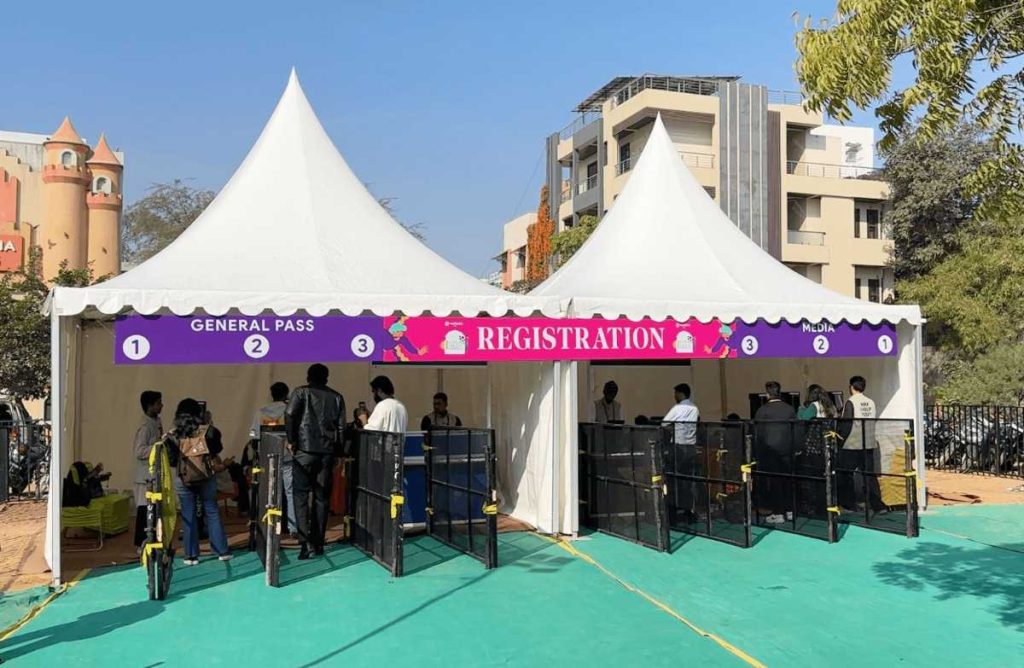
Dreamcast has recently taken this a step further. As a UIDAI-certified OVSE, it can now offer Aadhaar-based attendee verification at the point of registration, adding a layer of identity security that is particularly valuable for high-footfall events in India. Read more about how this works.
2. Smart Check-In & Access Control
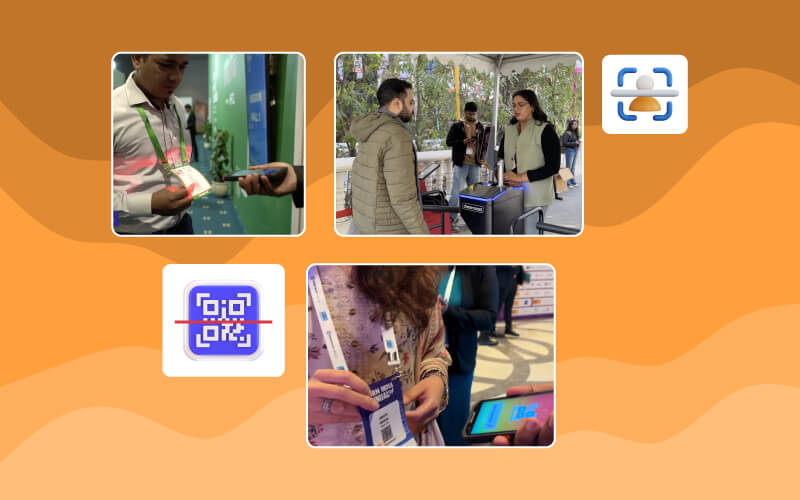
High-profile events management requires strict control over who enters. Smart check-in systems use QR codes, RFID badges, and digital passes. Turnstile access ensures smooth movement while maintaining security. Facial recognition adds another layer of verification, making entry faster and safer.
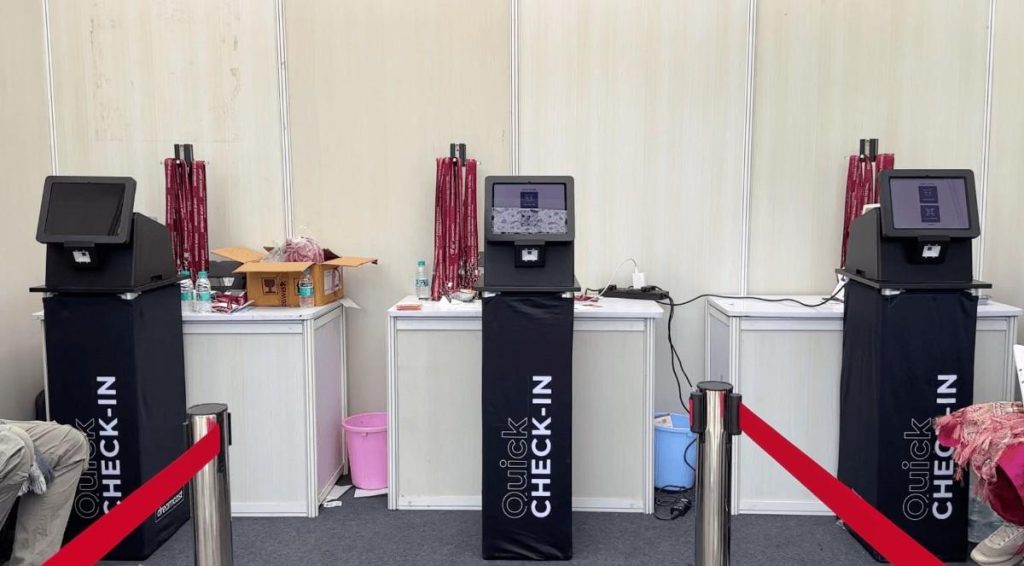
The best part? This technology reduces queues and prevents unauthorized access, which is critical when thousands of people are moving through gates at the same time. In addition, these systems can be linked to emergency protocols. It ensures that organizers can quickly lock or open access points if needed.
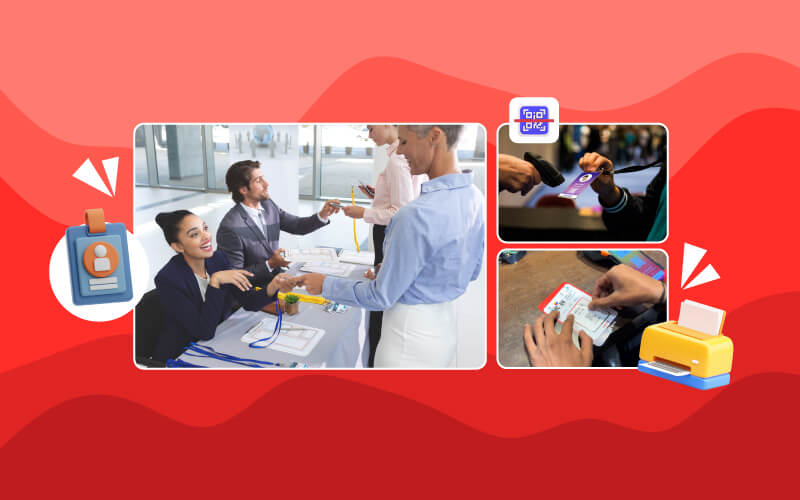
Badging is often the last bottleneck at check-in. Dreamcast’s newly launched self-service kiosk solves this directly. It prints a verified badge in under 10 seconds, with no staff involvement! Explore the Dreamcast badge kiosk.
3. Event Mobile Apps
Event technology for mega events often includes mobile event apps. These apps provide schedules, maps, and live updates. Attendees can personalize their experience, receive notifications, and access information instantly. This reduces confusion and improves satisfaction. Apps also serve as a direct communication channel between organizers and participants, ensuring that important updates reach everyone quickly. Some apps even include interactive features such as polls, surveys, or live Q&A sessions, which help keep attendees engaged and involved throughout the event.
4. Event Networking Solutions
Networking is a key part of large-scale event management. Enterprise event management solutions include tools that connect attendees with similar interests. Digital matchmaking, chat features, and meeting scheduling help participants build valuable relationships. These tools transform the event from a passive experience into an active platform for collaboration. For organizers, networking solutions also provide insights into attendee behavior, showing which sessions or topics generate the most interest.
5. Cashless Payment System
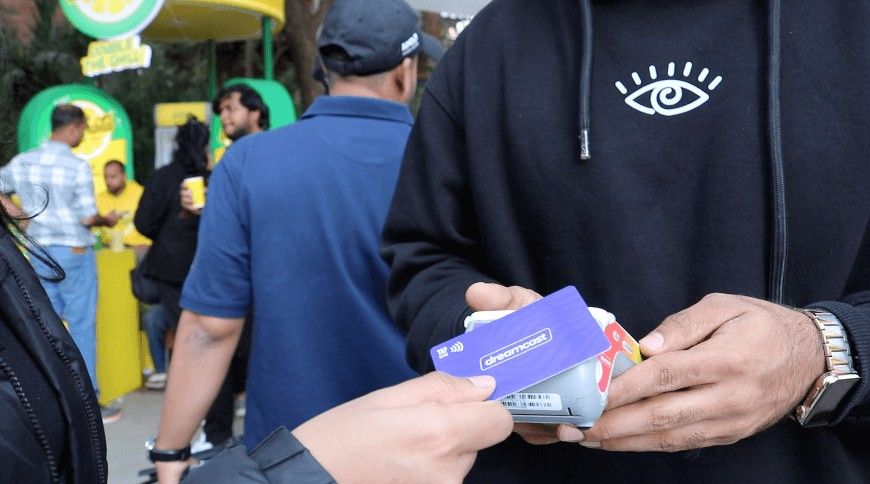
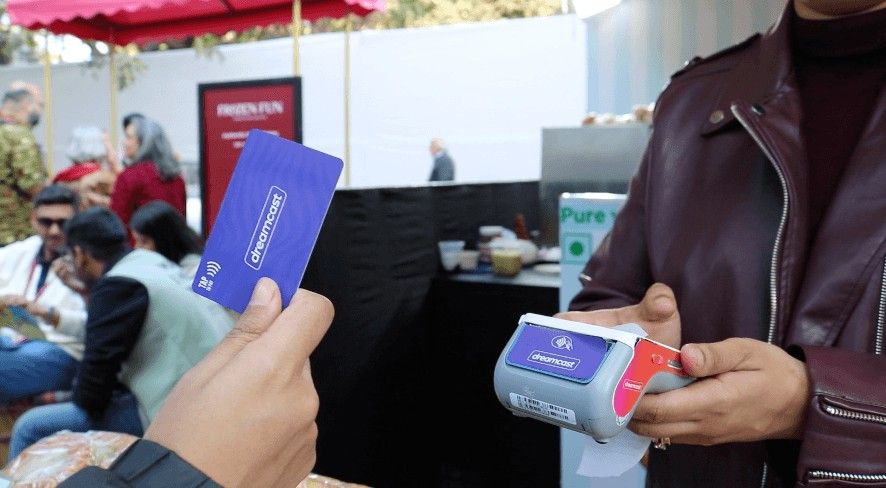
Cashless payment systems are vital for mega events and regular events. With thousands of transactions happening at once, cash payments slow down the process. Cashless payment systems using cards, wristbands, or mobile wallets make purchases quick and secure. They also reduce the risk of theft and make financial tracking easier for organizers. Beyond speed and safety, cashless systems provide detailed transaction data, helping organizers understand spending patterns and optimize vendor placement or product offerings.
How Enterprise Solutions Improve Event Outcomes
Enterprise event management solutions improve outcomes in several ways, each one addressing a different aspect of large-scale event management.
1. Faster Check-Ins And Smoother Operations
Technology reduces waiting times and streamlines entry. Automated systems handle thousands of attendees with speed, ensuring that the event begins on time and flows without interruptions.
2. Controlled Access And Verified Identities
Smart check-in tools, turnstile access, and facial recognition provide strong security while keeping movement smooth. This balance between safety and convenience is critical for high-profile events management.
3. Better Communication Through Apps And Notifications
Mobile apps and digital platforms keep attendees informed. Real-time updates, personalized schedules, and interactive features make participants feel connected and valued.
4. Smooth Payments Increase Sales
Cashless payment systems reduce queues and encourage more purchases. Vendors benefit from faster transactions, while organizers gain better financial tracking.
5. Data Collection Helps Organizers Plan Better Future Events
Analytics provide a clear view of attendee behavior, spending patterns, and engagement levels. This information helps refine strategies for upcoming events.
6. Consistency In Attendee Experience
Enterprise solutions ensure that every participant, whether entering early or late, receives the same smooth experience. This consistency builds trust and satisfaction.
7. Flexibility For Multi-Venue Events
When events span across multiple halls or locations, centralized systems keep everything aligned. Organizers can monitor and adjust operations across venues without losing control.
8. Support For Staff Productivity
Automation reduces repetitive tasks, allowing staff to focus on problem-solving and guest support. This improves overall efficiency and morale.
What Are The Best Practices for Implementing Event Technology in 2026?
To make the most of enterprise event management solutions, organizers should follow a set of practices that keep operations smooth and reliable.
Plan Early
Technology must be part of the event design from the very beginning. When systems are added late, they often feel disconnected and harder to manage. Early planning ensures that registration, check-in, apps, and payments all work together smoothly.
Test Systems
Every tool should be tested before the event begins. A small glitch in ticketing or access control
can create long delays. Testing also helps staff gain confidence in using the systems.
Train Staff
Even the best technology fails if staff do not know how to use it. Training sessions should cover both normal operations and emergency procedures. Well-prepared teams can solve problems quickly and keep attendees satisfied.
Communicate Clearly
Attendees must know how to use apps, passes, and payment systems. Clear instructions through emails, websites, and signage reduce confusion. Communication also builds trust, showing participants that organizers are prepared.
Monitor in Real Time
Live dashboards allow organizers to track attendance, payments, and engagement as they happen. Real-time monitoring makes it possible to respond instantly to issues, whether it is a slow entry gate or a payment system delay.
Coordinate Across Venues
Mega events often spread across multiple halls or stadiums. Best practice is to use centralized systems that keep all venues aligned. This prevents communication gaps and ensures consistency.
Collect Feedback
After the event, organizers should gather feedback from attendees and staff. This information highlights what worked well and what needs improvement, guiding better planning for future events.
Why Mega Events Cannot Afford to Get Technology Wrong?
Mega events do not fail because of bad planning. Most organizers plan thoroughly. They fail because the systems running underneath could not hold the weight of the day.
A check-in queue that snakes out of the venue. A payment terminal that freezes during the busiest hour. A registration platform that slows down when 10,000 people try to sign up at once. None of these are rare occurrences. They happen regularly, at well-funded, well-intentioned events, because the technology was not built for that kind of pressure.
Getting enterprise event technology right is not about having the most features. It is about having systems that have actually done this before, at scale, under pressure, and came out fine on the other side.
Dreamcast has managed 5,000+ events. The JLF 2026 alone brought in over 300,000+ attendees across multiple days. The registration held. The check-ins ran. The cashless payments processed. That is not a coincidence. It is what happens when the technology is built specifically for this.
If you are putting together a high-footfall event and want to talk through what the setup actually looks like for your specific scale and requirements, our team is happy to get into the details with you.
FAQs
Mega events are much larger in scale, often involving tens of thousands of attendees across multiple venues. They demand higher visibility, stricter security, and advanced technology compared to regular events that may only involve a few hundred participants.
Enterprise solutions provide centralized control, automation, and real-time monitoring. They help organizers manage scale efficiently, reduce errors, improve attendee experience, and ensure data security
They streamline ticket sales, track attendance, and issue digital passes. This reduces manual errors, speeds up entry, and gives organizers real-time visibility into attendee numbers.
Smart check-in systems using QR codes, RFID, turnstile access, and facial recognition make entry faster and safer. They prevent unauthorized access while keeping queues short.