


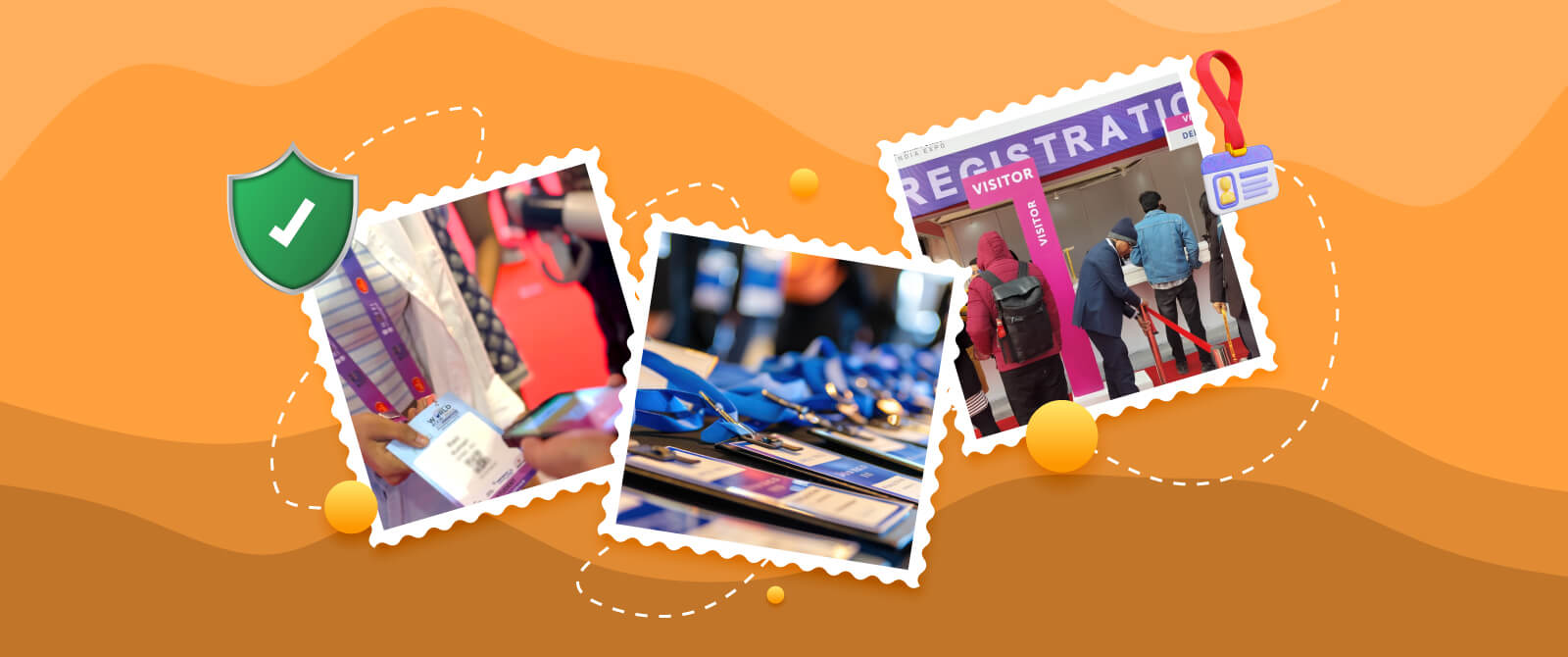

Event organizers put a lot of effort into planning a great experience. But one problem can quietly ruin everything. Duplicate entries and ticket fraud. One reused ticket. One unauthorized entry. And suddenly, crowd control becomes chaotic. Revenue decreases. Security risks increase. And genuine attendees feel frustrated. So, event ticket fraud prevention should never be an afterthought. It should be built into your event planning from day one. In this guide, we’ll break down 10 proven strategies to prevent duplicate ticket entries and protect your event from fraud. Just practical ideas that work for events of all sizes.
Why Duplicate Entry and Ticket Fraud Are Growing Problems
Ticket fraud is not new. But it has grown rapidly with digital tickets and online sharing. Screenshots are easy to share. QR codes can be copied. Fake tickets look real at first glance. So, it becomes difficult to track who has already entered and who hasn’t without a proper event access control system. This is why modern event entry management needs smart tools and clear processes. Let’s explore how you can do this the right way.
Top 10 Strategies To Prevent Event Ticket and Check-in Fraud
Use these strategies to prevent ticketing and check-in fraud at events.
1. Use Real-Time QR Code Validation
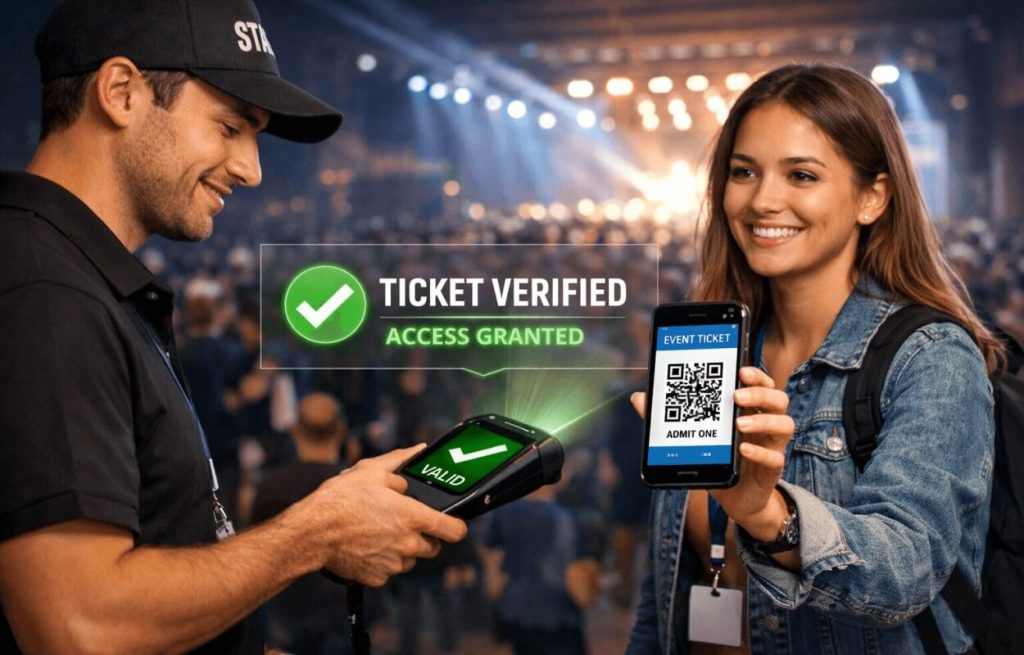
The first and most effective step is real-time ticket validation. A QR code for event check-in should only work once. The moment it is scanned, it must be marked as “used” in the system. If someone tries to reuse the same ticket, the system should instantly flag it.
This approach supports strong duplicate check-in prevention. It also makes entry fast and smooth for genuine attendees. Paper lists and offline tools simply cannot match this level of accuracy.
2. Connect All Entry Points to a Central System
Multiple entries are part of large events. And this is where fraud usually slips in. The same ticket can be used twice at different entrances. Especially when each gate operates separately. All gates must be connected to one central system. This ensures proper duplicate event entry prevention. A centralized event check-in system ensures that:
- Every scan updates the same database.
- Duplicate scans are instantly detected.
- Security teams receive alerts in real time.
This keeps your event secure, no matter how big it is.
3. Avoid Offline Check-In as Much as Possible
Offline check-in might sound convenient. But it opens the door to duplicate entries. Offline check-in often involves paper-based methods or physical badges. The offline systems can fail to verify if a ticket has already been used elsewhere.
Online scanning should be your default. It’s a better way to prevent event ticket fraud. If offline mode is unavoidable, make sure the system syncs immediately. This reduces the risk window. Eventually, it improves duplicate check-in prevention.
4. Assign Unique QR Codes to Each Attendee
Never reuse QR codes. Never issue generic entry passes. Each ticket should have a unique QR code. Each code must be tied to one attendee profile. This makes it easier to:
- Track entry history.
- Identify suspicious activity.
- Prevent duplicate ticket entries.
When combined with a smart event entry management platform, this approach gives you full visibility into who enters and when.
5. Train Your Staff to Spot Red Flags
Technology alone is not enough. Your on-ground team matters just as much. Train staff to recognize common fraud signs. It includes:
- Screenshots instead of original tickets.
- Blurry or altered QR codes.
- Aggressive behavior when a ticket fails.
Well-trained staff is crucial. It acts as the human layer of event ticket fraud prevention. They can resolve issues quickly. So, they prevent small problems from becoming big ones.
6. Use Turnstiles or Controlled Entry Zones
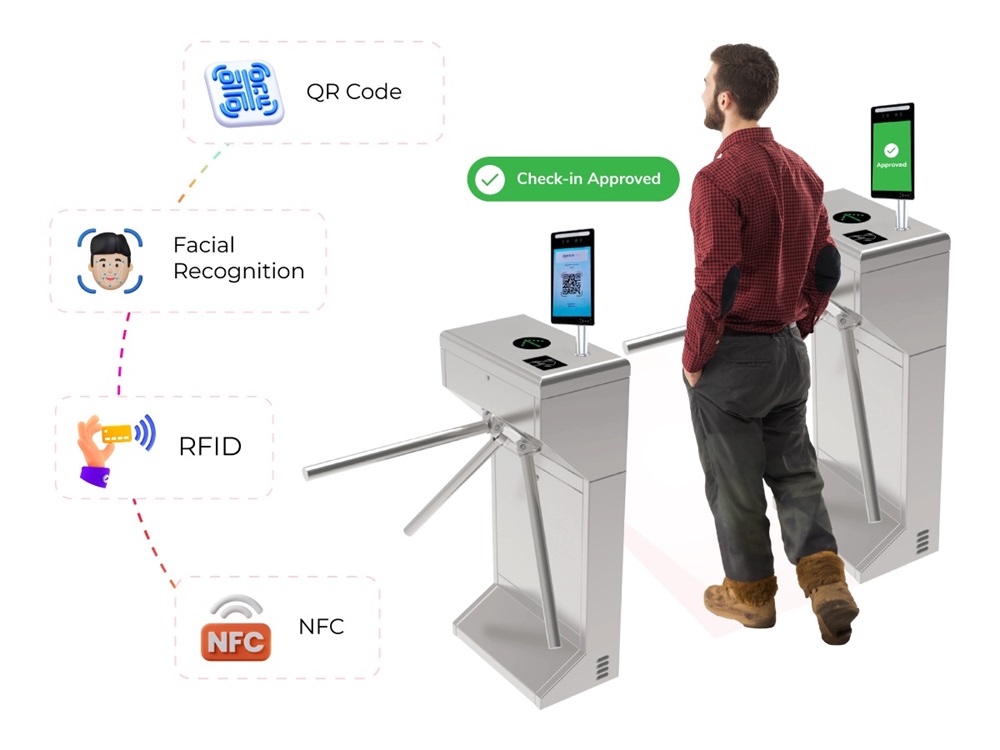
Physical access control adds an extra layer of security. It’s helpful for high-traffic events. Turnstiles connected to your event access control system ensure that:
- Only validated tickets allow entry.
- One scan equals one entry.
- Tailgating is minimized.
This strategy works especially well for concerts, sports events, and large conferences. So, you don’t slow down the entry flow. Rather, you strengthen duplicate event entry prevention.
7. Enable Instant Alerts for Duplicate Scans
Your system should not just block duplicate scans. It should alert your team immediately. Real-time notifications allow staff to:
- Investigate suspicious behavior.
- Verify attendee identity.
- Take quick action.
This proactive approach improves duplicate check-in prevention. Also, it keeps your event secure from start to finish.
8. Integrate Entry Data with Attendee Profiles
An event entry management platform links tickets to attendee data. This makes it easier to spot patterns, such as:
- Multiple scans from the same ticket.
- Entry attempts at different gates.
- Unusual check-in timings.
Connecting entry data with attendee profiles strengthens your fraud prevention strategy. Also, it doesn’t add any extra friction for your attendees.
9. Communicate Clear Entry Rules to Attendees
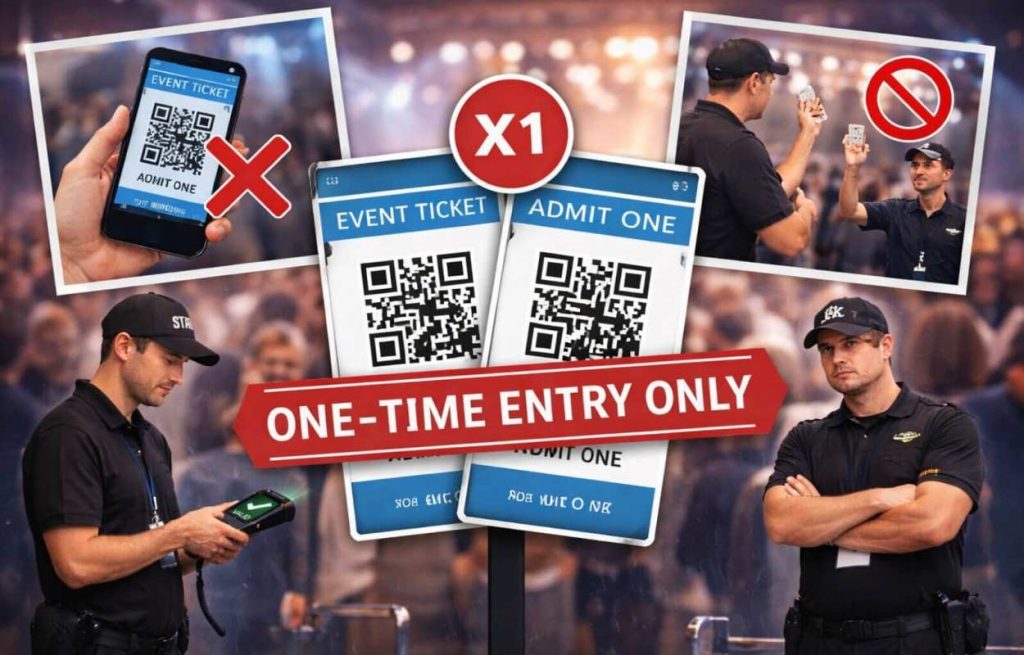
Sometimes, duplicate entries happen unintentionally. People share tickets with friends. They don’t realize screenshots won’t work.
They assume re-entry is allowed. Clear event communication helps prevent this. Let attendees know:
- Tickets are valid for one-time entry only.
- Screenshots may not work.
- Re-entry rules in advance.
This reduces confusion and supports smoother duplicate event entry prevention.
10. Audit Entry Data After the Event
Fraud prevention does not end when the event does. Review entry reports. It helps identify duplicate scan attempts. You get insights into peak-time vulnerabilities. Also, you get to know entry specific issues.
Use insights to improve future events. It helps improve event check-in system. Post-event analysis turns every event into a learning opportunity.
How QR Code Check-in Plays a Key Role in Fraud Prevention
The QR code check-in is the backbone of modern event security. All it takes is a simple scan. Organizers can instantly verify if a ticket is valid or not. QR code ticketing make entry fast and stress-free. Especially when used correctly. Attendees experience boosts. They don’t need to search for cards or printed tickets. They simply show their code and walk in. This speed helps reduce queues. It improves the overall entry experience.
The human error during entry can be reduced. There is no need for staff to process manually. The system does the work automatically. This lowers the chance of missed entries. It supports strong duplicate check-in prevention.
Another major advantage is real-time validation. The moment a QR code is scanned, the system updates its status. If someone tries to reuse the same ticket, it is immediately flagged.
However, QR codes alone are not enough. They must be paired with the right software. Without real-time syncing across all entry points. The same QR code could be scanned at multiple gates.
A centralized event access control system ensures that every scan is tracked in one place. It connects all gates and devices in real time. This is what truly strengthens event ticket fraud prevention and ensures consistent event entry management.
Common Mistakes That Lead to Duplicate Entries
The experienced organizers can also make mistakes. Here are some common ones to avoid:
- Using static or reusable QR codes.
- Allowing unchecked offline scanning.
- Operating entry gates independently.
- Skipping staff training.
Avoid these mistakes. So, you can strengthen the entry management strategy.
Benefits of Strong Duplicate Entry Prevention
The benefits go beyond security. When you invest in duplicate event entry prevention.
You get:
- Accurate attendance data.
- Better crowd management.
- Higher attendee trust.
- Improved sponsor confidence.
Most importantly, you protect your event revenue and brand reputation.
Why Event Entry Management System Is a Long-Term Investment
An event check-in management system isn’t only for big events. Not only can large festivals or stadium-sized events use them. The value is added to events of every size.
Even small and mid-sized events can benefit from structured check-in management. Organizers don’t need to guess who has entered. Rather, they get the real data. They know how many attendees are inside. They know which tickets have been scanned. And it’s easier to detect duplicate ticket entries. As an event grows, the systems should grow with it.
That’s what a scalable access control setup is. It supports long-term duplicate event entry prevention. So, you don’t change processes every time your event size increases.
Modern access control tools are flexible and easy to use. They are easy to deploy and simple for staff to use on-site. Most importantly, these systems pay for themselves over time. They reduce revenue loss caused by ticket sharing and fraud. Therefore, event ticket fraud prevention is strengthened. Also, it improves the overall attendee experience.
So, you are not just solving today’s problems. In fact, you are investing in a reliable event access control system. You are building a foundation for safer, more efficient events in the future.
Final Thoughts
Duplicate entries and ticket fraud may seem like small issues. But they can quickly spiral out of control. The good news is that prevention is easier than ever. Event ticket fraud prevention becomes manageable and effective. Thanks to the right technology, trained staff, and clear processes.
Focus on the right strategies. It helps prevent duplicate ticket entries at your events. A secure entry experience builds trust. And trust is what keeps attendees coming back.