

What do you think of an event’s first impressions? If you think the only memory about your event that attendees walk away with is the main show, you are mistaken. People form opinions way before the main event even starts. Forget the venue’s decorations; it begins the moment they arrive. Hence, the importance of the event arrival experience.
Let’s be real: Nobody wants a slow, complicated check-in. Most people have had that bad experience at least once, and that’s enough to make them dread it. So, how do you make the arrival process smooth and welcoming? This post will give you some ideas.
Event Arrival Experience: Importance and Role in Creating an Event’s First Impressions
One of the most important things that event planners must pay attention to in their event planning journey is the event arrival experience. Here’s why.
- Connection with Emotions:
How attendees enter your event determines their mood for the rest of the show. Your check-in can either keep their excitement intact or kill it. It’s not difficult to imagine how taxing it can be to wait in long lines! There’s a chance that many of these people came to the event fighting a traffic jam or some kind of stress. Wouldn’t it be a double whammy for them to be met with a slow check-in process?
- First-Impression Bias:
Imagine your event is a tech conference. The vibe screams digitalisation, AI, and advanced tech. Industry stalwarts and tech enthusiasts eagerly register and show up to this event, expecting to have a great experience. What greets them at the door? A super sluggish check-in process featuring paper-based forms and lengthy manual checks. Event first impressions? Gone in seconds.
- Human Attention Span at Events:
Consider this: when you go to an event, your enthusiasm is at its peak. It’s the same for most attendees. Naturally, when someone is waiting to attend an event they signed up for a week or a month ago, and the day finally arrives, there’s an obvious excitement level. While in this mood, an attendee wants things to proceed quickly and smoothly in the event arrival experience. But if check-ins take forever or the process is full of friction, attendees fail to get hooked to their event journey.
- Impact on Engagement Levels:
No one can stay engaged with a tired mind and sleepy eyes. That’s what slow check-ins do. They suck all the enthusiasm from the attendees and replace it with boredom and frustration. Not a healthy recipe for engagement. At all!
So, the takeaway here is that an event’s arrival experience plays a huge role in event flow management. It’s the starting point from which everything else flows. How the crowd moves and how it feels! Whether it’s event flow management, first impressions, or the event’s overall reputation, event arrival experience is a key determinant.
Key Red Flags that Ruin Event First Impressions: A Quick Overview
While we are discussing how slow check-ins ruin event first impressions, it’s crucial to discuss in more detail what constitutes or causes slow check-ins, the key red flags. These also happen to be a few of the first things that attendees notice or sense when they reach the venue.
- Slow Event Registration Systems
People expect things to be quick now. So, long lines and manual checks seem old-fashioned. Event registration is the first thing people experience, and if done the old-fashioned way, it can give them a bad feeling about the event onboarding experience.
- Slow Event Check-In
A slow check-in is hard to ignore. People see it right away. If it’s hard to get in, they might think the whole event will be slow and disorganized.
- Stressed Staff at Events
If your staff looks confused or overworked, people will notice. You can see the stress, and it can spread to the crowd. How does the staff look overworked? When it has to deal with an overwhelming crowd of attendees, their details, and manual verifications.
- Confusing Signs
When people can’t find where to go, they stop and gather in the wrong spots. This messes up how your event flow management works. Confusing signage creates confusion and chaos. A major red flag.
- Long Waits
Waiting too long makes people lose interest fast. By the time they get inside, they’re not as excited as they were when they got there.
- A Strained Overall Atmosphere
Slow check-ins make people impatient. That feeling can spread. Before anything even starts, people are already judging the event. Instead of an event welcome experience, they feel stuck in a messy process.
How Event Tech Enhances the Event Welcome Experience
We have discussed the importance of the event arrival experience and the red flags that can spoil event first impressions. Now, it’s time to discuss making your event a welcoming experience for attendees. Reliable event tech is the solution you are looking for. It can give your event the kind of makeover that you never thought could be possible. In this section, you’ll explore how event tech providers like Dreamcast can sort your check-ins, registrations, and a lot more to give your attendees a super smooth experience.
- Easy Sign-Up and Tickets
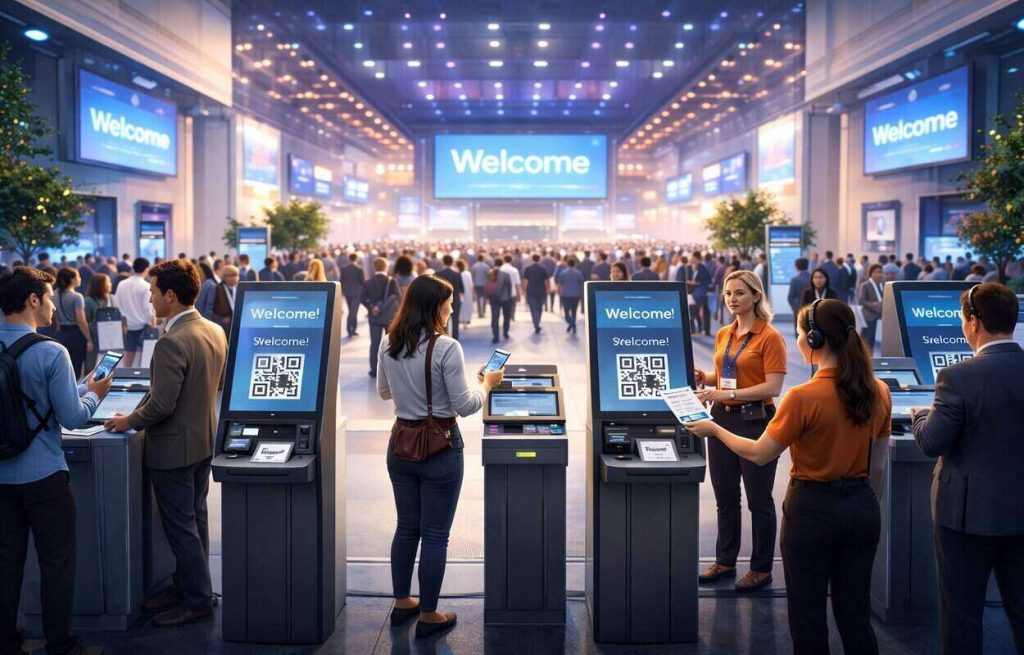
A smooth start to your event onboarding experience tells attendees you have thought your event through. Getting people into your event should be easy, starting with sign-up. If it’s quick and works on phones, people will be happy right away. Registration solutions like the ones Dreamcast provides have features like custom forms, safe ways to pay, quick confirmations, and tickets that use QR codes.
- Quick Digital Check-In
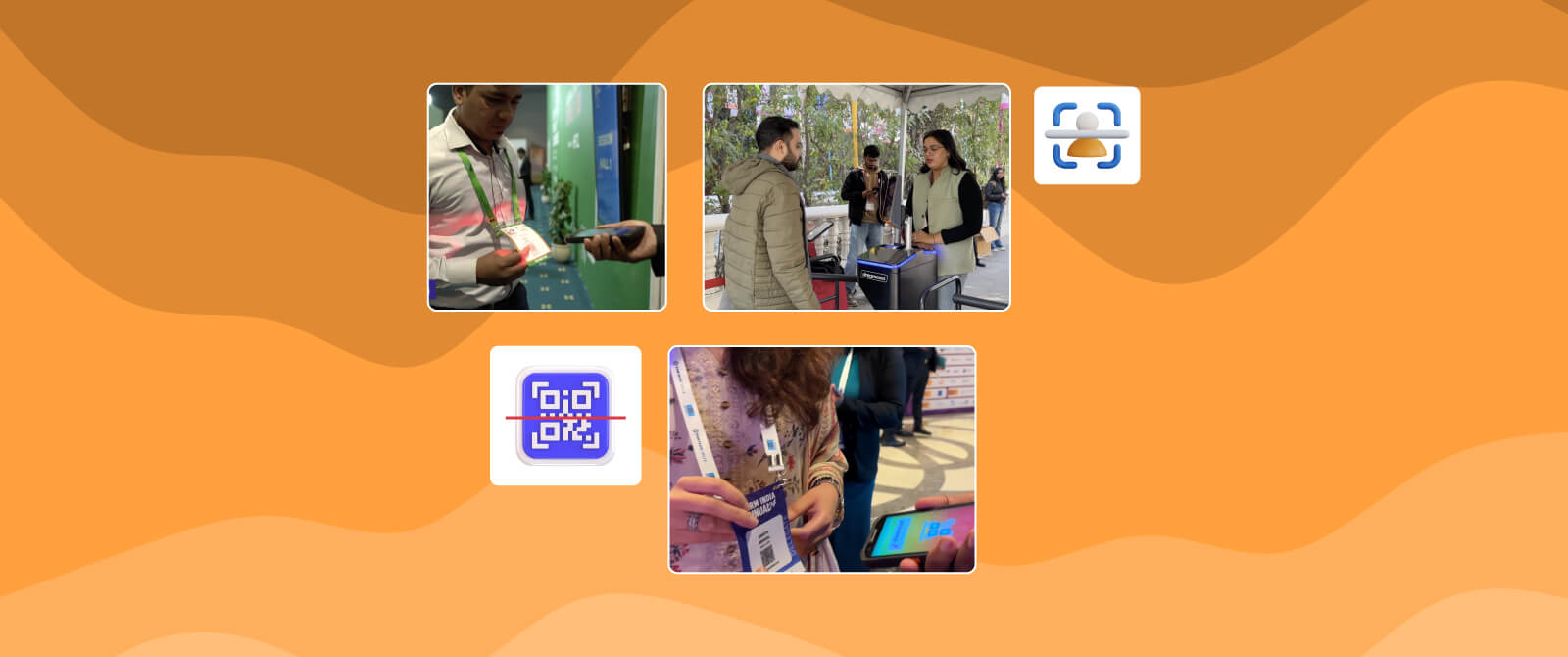
No one wants to spend more than a few seconds when they check in. Using digital check-in, like QR codes, NFC badges, or even face scanning, gets people moving faster. They just scan and go. No lines, no mess. This is a key moment to make a good impression. Dreamcast’s facial recognition and QR-based solutions are widely used and trusted by event organizers.
- Instant Badges and Smart Printing
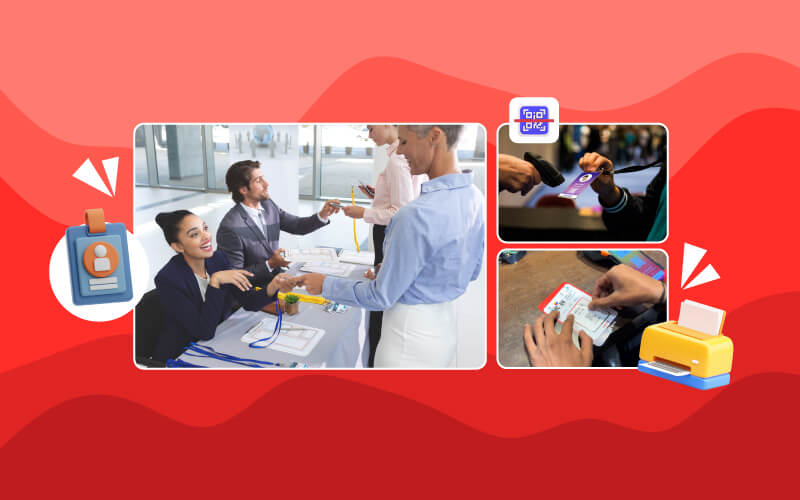
A smart badge isn’t just for getting in. It has the person’s info, helps with easy networking, and tells you who is where in real-time. Dreamcast works with QR, NFC, and RFID badges at different entry points. It’s smooth for attendees, and you get a clear view of what’s happening at your event. The event arrival experience gets remarkably better when badges are printed in seconds. Attendees feel like they are part of a premium experience. Badges also work wonders in making the entire event check-in experience feel more personalised.
- Easy App-Based Directions
Once inside, people need to know where things are. A mobile event app with live maps, schedules, and alerts helps them get around without needing help from staff or signs. Dreamcast’s mobile event app is an ideal example. It provides advanced features like AI matchmaking. Attendees can gain a much higher value from the event they are attending by meeting like-minded people. When event flow management is sorted, it’s almost like people don’t even notice. They just know where to go, and the event feels put together without them having to think about it.
- Ways to Get People Involved in Real-Time
The welcome doesn’t end at the entrance. With live polls, Q&A, digital networking, and ways to give feedback fast, people stay interested from the get-go. When people feel involved early on, they stay interested.
Even tech providers like Dreamcast make the start of your event feel natural, the event itself feel organized and getting around feel easy.
The Impact of a Great Event Arrival Experience
Eventually, everything comes down to impact. The results of your efforts. How did your attendees feel, and how did it help you? If you plan your guests’ event arrival experience thoughtfully, using event tech, here are some great outcomes you can expect:
- Higher Engagement
Creating videos to highlight key moments and share event experiences can further increase engagement and satisfaction. When people get to an event and things go smoothly from the start, they’re much happier. They walk in feeling relaxed, not stressed. This makes them more likely to get involved. Making a strong first impression really sets the tone for a great experience.
- Networking
Stressed-out people don’t want to talk to anyone. But if your event is easy to deal with as soon as people arrive, they loosen up. They start looking around, chatting, and enjoying meeting others. It happens fast and starts right when they check in.
- Increased Session Attendance
When it’s easy, people instantly know where to go and what’s happening at an event. This keeps them on track. They don’t end up missing sessions just because they had a delayed check-in or had trouble finding the session’s location. If things are a mess at the start, people get confused and waste time trying to figure things out instead of getting to sessions.
- Improved Satisfaction
People make up their minds fast. What happens at the start of your event shapes how people feel right away. If getting in is quick and organized, that good feeling sticks with them all day. They are also more forgiving of minor problems. Managing the beginning of the event well gives it a much better chance of being remembered in a good way.
How To Ace Your Event Arrival Experience For Attendees: Additional Pro Tips
Here are some more tips that can help you make your event a welcome experience for your attendees. Apart from using event tech, these are a few additional strategic ways to facilitate a smooth event arrival experience:
1. Managing Lines Well
Even the sight of long queues can be overwhelming. They immediately make attendees feel hopeless. Check-in seems like an impossibility. So many people even start thinking of abandoning the event! You want none of these thoughts to cross your attendees’ minds. The best way to ensure that is to manage the lines smartly.
There is a simple way to not make them look and feel endless or congested: dedicated lines for different types of attendees. Those who have pre-registered, those who are on-spot registrants, VIPs, special guests, media, etc.
This approach reduces waiting times significantly. It also gives a more organised feel to your event. Plan your check-in venue’s layout carefully. See that there’s enough space to accommodate all these lanes. Keep a wheelchair-friendly lane and adequate staff to assist. Plus, clear signage is a must.
2. Your Instructions Should Be Crystal Clear
You can’t take event communication for granted. It’s the key to ensuring that your attendees are up-to-date about every little detail at all times. Send comprehensive pre-event e-mails with all the instructions about check-in timings and process. What should attendees bring for verification? Which lane should they look for after arrival, as per their ticket category?
Include maps and screenshots for better clarity. Keep them in the loop with timely alerts and notifications. Your ultimate goal should be to leave no room for confusion.
3. Make Your Venue Feel Welcoming
No matter how much you try to prevent bottlenecks at check-in, you can still face some last-moment chaos. Events are as much about surprises as they are about planning. So, be prepared for that as well!
Give your attendees a feeling of being wanted. Train your staff to welcome every guest with warmth. You should have enough trained volunteers who can answer all the queries that people could have while checking in or waiting.
Invest in pleasing decor, lighting, and music. You could install a few interactive games and activities at the entrance that can hook people, even if check-in is taking a long time. Ideas as simple as photo booths and fingerprint tress work like magic here.
4. Have a Solid Backup Plan
Backup plans are a must-have, always! What if there’s an internet outage and your digital systems stop working? As an event organiser, you must have a solid contingency plan to handle such a situation. Your team’s calmness determines how settled your crowd feels. That’s possible only when you are confident about having a foolproof backup plan in your kit.
Wrapping Up:
The event arrival experience is super important, just like the main show. It’s all about how people enter the venue, with things like registration, badges, and check-in going on. If this is confusing, it makes a bad first impression. That’s why event tech is necessary to make things smooth. Online registration, digital check-ins, and mobile event apps can be very helpful and make the experience engaging.
Putting in the effort when it comes to event first impressions can lead to more attendees, better engagement, and better networking. If you want to start your event off right, you should pick a good event tech partner like Dreamcast!
FAQs
It’s the first thing attendees experience. A slow or chaotic check-in sets a negative tone that’s hard to shake off.
Switch to digital. QR codes, facial recognition solutions, and smart badges move people fast with no manual work.
Yes. When people arrive stressed, they don’t engage. A smooth entry changes that immediately.
Long lines, confused staff, and poor signage, usually all at once.