


Event experiences are changing very fast. This creates a growing need to manage people’s access. Organizers must control how people enter and interact in the venue. Events can be large trade shows, music festivals, or small meetups. Organizers often face high pressure. They need to create a smooth, secure, and fast entry process for every attendee. This is why event access management is essential. It is the foundation for success.
Today, attendees expect events to be seamless from the moment they arrive. They don’t want to stand in long queues, fill out repetitive forms, or deal with confusion at the gate. What they do want is efficiency, clarity, and technology that simplifies movement. This means organizers need reliable systems. These systems must strengthen control, enhance safety, and improve the overall experience.
In this guide, we will cover strategies, processes, and technologies for event access control. We will explore why a solid access control system matters. We will also discuss its key features. Finally, we will show how organizers can implement it. You will understand how smart access management transforms events by the end.
Why Event Access Management Matters More Than Ever
Events are now more complex. Audiences are also more diverse. People travel far to attend large gatherings. With so many moving parts, access control cannot be left to chance. It is more than checking tickets. It ensures order, security, and a predictable flow for everyone.

An event access management system helps organizers handle everything. These include attendee verification, crowd flow, and zone-based permissions. It creates a controlled environment. Only the right people enter the right areas at the right time. It helps avoid check-in bottlenecks. Bottlenecks cause frustration and slow schedules. They diminish the experience before guests even enter.
Safety is also a major concern. Risk mitigation is essential today. Access management stops unauthorized people from entering private areas. This includes VIP lounges or staff zones. It also manages venue capacity. This prevents overcrowding issues.
Beyond safety and efficiency, it improves data collection. This is a major asset for organizers. Every scan provides insights into attendee behavior. It shows dwell time and peak entry hours. It reveals movement patterns. These insights help organizers see what works. They guide improvements for future events. This makes future events smoother and more organized.
How an Event Access Control System Works
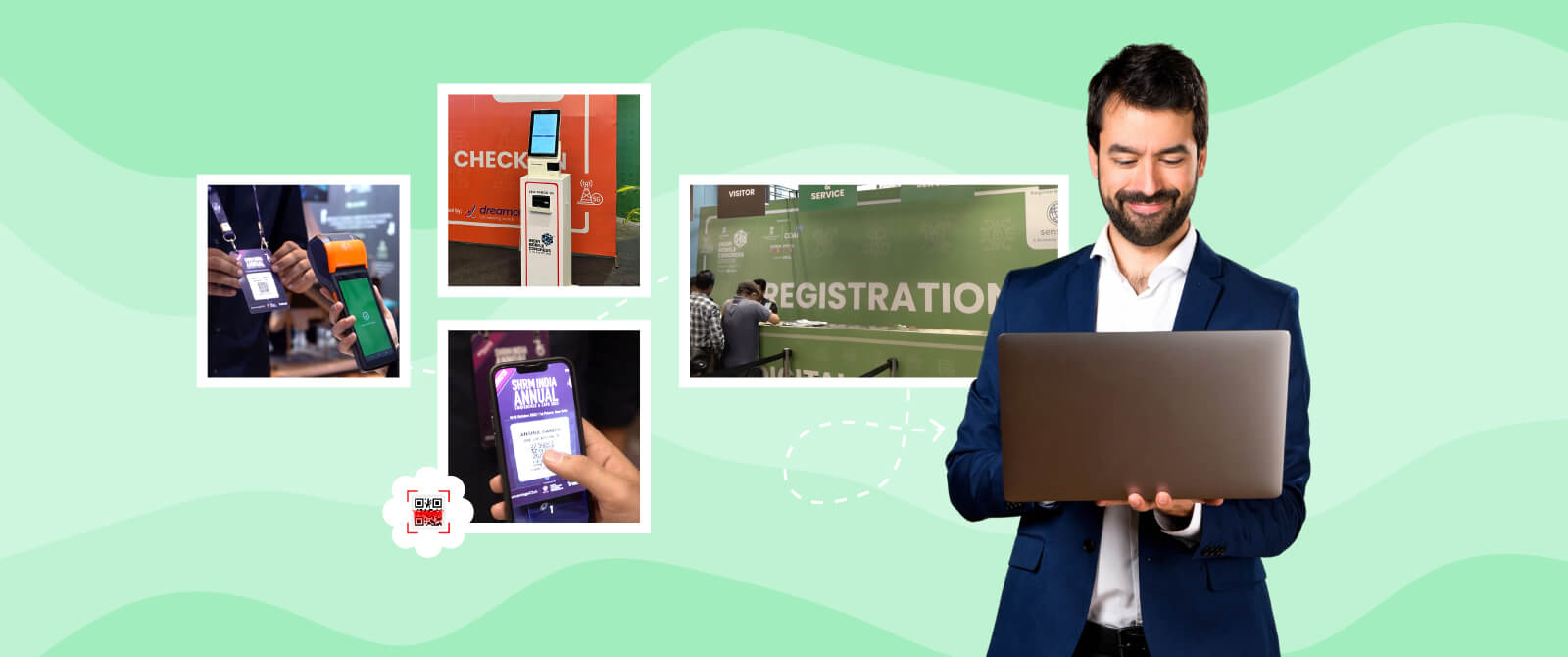
A good access control system uses hardware and software. It verifies attendees at different venue points. This verification can rely on QR codes, NFC, RFID badges, or facial recognition.
The basic process is simple:
- The attendee receives their access credential. This can be digital or physical.
- The credential is scanned at the entrance. This confirms identity and ticket type.
- Access permissions are checked. This allows entry to specific zones or prevents unauthorized movement.
- Data is recorded instantly. This updates dashboards for organizers to track attendance.
A modern system also allows custom permissions. You can set different access permissions for different categories of attendees. These groups include VIPs, exhibitors, media, or staff. Each group has specific access zones. The system prevents unauthorized entry into restricted areas.
Real-time monitoring is another vital component. Organizers can track capacity in every area. They can make fast decisions if an area gets too crowded. For example, the system can stop entries. Especially if a session room hits maximum capacity. This ensures safety and maintains a smooth event flow.
Core Features Every Event Access Management System Should Have
Not all systems are equal. Some offer basic scanning. Others manage thousands of attendees at once. Here are the most essential features a strong event access management system needs:
1. Fast and Reliable Verification
Speed is crucial. The system should authenticate credentials within seconds. It must also be capable of handling peak rush hours without lag or failure.
2. Support for Multiple Credential Types
Events use many formats today. These include QR codes, RFID wristbands, and NFC cards. They also use digital tickets and biometrics. The system must support them all for flexibility.
3. Zone-Based Access Permissions
Every event has multiple zones. Examples are keynote halls, workshops, and VIP lounges. A strong event access system must allow setting different permissions for each attendee type.
4. Real-Time Tracking
Organizers need to track live attendee movement across zones. Real-time dashboards enable this and help prevent overcrowding.
5. Integration with Registration Platforms
Access control for events becomes more powerful. Especially when it works alongside registration systems. This ensures seamless data flow and reduces manual work.
6. Offline Mode
Events sometimes take place in remote or crowded environments where connectivity is inconsistent. A good system should function even when the internet is weak or unavailable.
7. Scalable System
The system should scale easily. This applies whether you have 200 or 20,000 attendees. It should work with added scanners, kiosks, and verification stations.
8. Analytics and Post-Event Insights
Data is a major advantage of digital access control. Organizers should be able to analyze entry times. Peak crowd hours. Attendance behavior, and more.
The Role of Event Technology in Modern Access Control
Technology has completely changed entry management. We now use digital authentication, live dashboards, and contactless scanning. Today’s tech-driven systems offer speed, convenience, and accuracy.
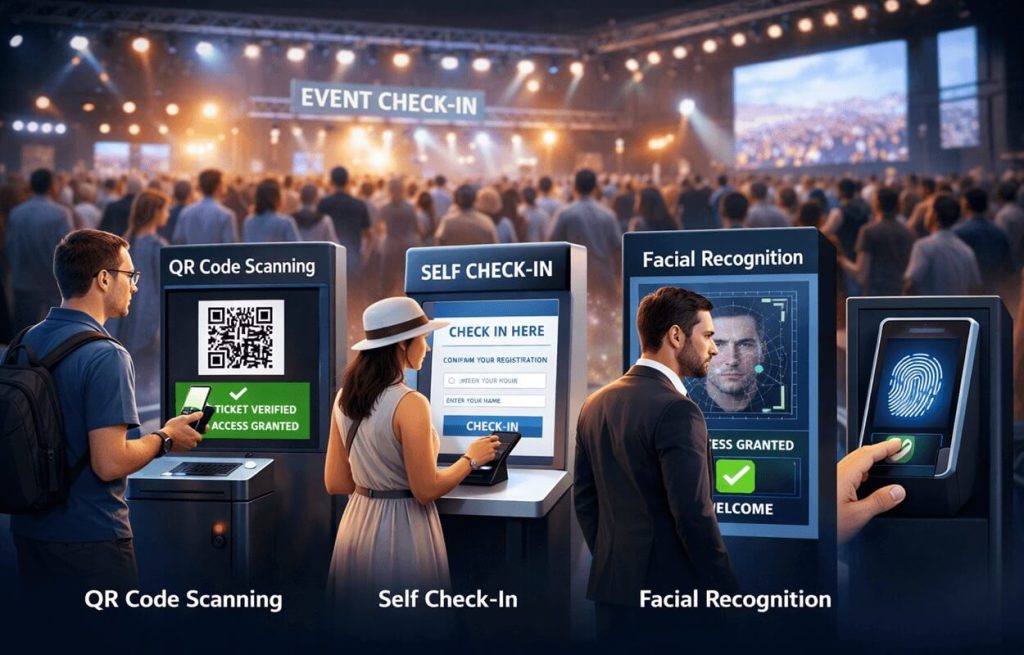
A modern system includes several tools, such as digital event check-in systems, mobile check-in apps, and handheld scanners. When combined with best account management software, these tools prevent bottlenecks and ensure that attendee entry is safe, smooth and organized. This integration allows organizers to manage access efficiently while maintaining a seamless experience for guests.
For example, organizers use QR code entry instead of checking paper tickets. Scanners are placed at every gate. Attendees show the QR code on their device. The system instantly validates their registration. This almost eliminates errors and increases transparency.
Another major shift has been the rise of touch-free verification. Many events now prefer contactless event check-in. It enhances safety, especially in large gatherings. Attendees can walk past a scanner. Tap a wristband. Or even verify themselves through mobile event apps.
Biometric access control for events is also growing. Face recognition and fingerprint authentication help secure sensitive zones. They also streamline entry for VIPs or staff. These technologies reduce fraud and greatly increase speed.
Improving the Attendee Experience with Smart Access Management
Using a smart access control management system improves attendee satisfaction. The entry experience creates the first impression of an event. A slow or confusing entry can instantly damage that impression.
Today, organizers know attendees value convenience. They want short lines and fast movement. They expect clarity. Smart access control for events delivers this effortlessly.
Here is how access management enhances the attendee journey:
- Shorter wait times at all entrances and checkpoints.
- Quick badge printing from automated kiosks.
- Easy movement between different event zones.
- Instant problem resolution via live dashboards.
- Higher trust and safety from controlled access.
The journey becomes smoother. Therefore, attendees feel more engaged throughout the event.
How Organizers Benefit from Better Access Control
Sure, attendees enjoy a smooth experience. But organizers also gain many advantages:
1. Better Security: Attendees are verified digitally at all zones. Unauthorized access is nearly impossible.
2. Operational Efficiency: Access control for events reduces the burden on staff. It also minimizes human errors.
3. Accurate Reporting: Every entry is tracked. This helps organizers evaluate performance and crowd behavior.
4. Crowd Management: Real-time crowd management prevents overcrowding. This helps maintain safety.
5. Compliance and Auditing: Access logs provide important documentation. This is crucial for regulated events.
6. Improved Decision-Making: Data insights help in several ways. Organizers can plan better layouts. They can schedule staff appropriately. They can also identify high-traffic areas.
Implementing an Effective Event Entry Management Strategy
Planning is crucial for a smooth entry flow. It also requires the right tools. Here is a simple structure organizers can use.
1. Start with Registration Integration: Connect your access control system to your registration database. This allows data to sync automatically. It also prevents manual errors.
2. Map Out Entry Zones: Define all entry points. Main, VIP, and staff entrances. Also, map the exhibit hall gates. Ensure each zone has enough scanning points.
3. Choose the Right Scanning Technology: Select the best technology for your event. Options include QR codes, NFC tags, RFID cards, or face recognition. Choose according to your event size and complexity.
4. Train Your Staff: Even the best system needs trained staff. Get them trained on device handling and troubleshooting. They must also learn attendee interaction.
5. Run Test Scenarios: Test scans across all gates before the event starts. This ensures everything works smoothly.
6. Monitor in Real Time: Use your dashboard to watch the attendee flow. Track zone occupancy. Respond to issues promptly.
7. Analyze After the Event: Review all scan data. Identify any bottlenecks. Refine your process for future events.
Final Thoughts
Event organizers cannot rely on outdated or manual entry. Thousands of attendees expect speed, safety, and convenience. Therefore, smart event access management is now a necessity, not an option.
A reliable event access control system helps events run smoothly. This applies from the entrance gate to the final session. Therefore, reducing long queues and enhancing security. The system also manages capacity. Overall, it strengthens the attendee experience.
Planning a small corporate gathering? Or perhaps a large-scale expo? Modern access control gives you the tools you need. It provides the structure and data for successful events every time. Event entry will only become faster, safer, and more intelligent as technology evolves. Advanced access management is now the backbone of every well-organized event.