


Healthcare events such as medical conferences and summits are not just meetings. They have evolved into events where knowledge, networking, and innovation intersect. They are now structured events that bring together ideas, innovation, and collaboration in ways that shape the future of healthcare. Organizing these healthcare events requires careful thought, clear planning, and the right tools. It is not only about managing schedules but also about creating experiences that feel meaningful for every participant.
Healthcare event management has become a discipline of its own. From the first stage of healthcare event planning to the use of healthcare event technology, every detail matters. Most event healthcare event organizers are using healthcare event management platforms to simplify complex tasks and improve session flow and participants’ engagement.
This blog will walk you through the process of turning healthcare events into memorable experiences.
Why Healthcare Events Matter

Healthcare events are more than meetings. They are forums where professionals share updates, discuss issues, and look for solutions. A well-organized event can spark collaboration and share valuable insights. On the other hand, an ill-organized event can leave attendees perplexed and disconnected.
Additionally, medical conference event management is all about creating an atmosphere where learning and networking come naturally. In simple words, it is not just about organizing but also about designing the experience.
Steps To Host A Successful Medical Conference And Healthcare Summit
Here are a few steps that will help you host an engaging and memorable medical conference and healthcare summit. So what are you waiting for? Keep reading.
Step 1: Define the Purpose
Every healthcare conference management process begins with a clear vision. The question to ask is: What is the primary purpose of the event? Is it to educate, network, or bring new ideas? Without a clear purpose, the planning process becomes aimless.
In simple words, healthcare event planning begins with a simple roadmap. List the objectives. Identify the target audience. Consider the outcomes you seek. This step may seem elementary, but it is the foundation for all that follows.
Step 2: Create the Structure
After determining the purpose, the next step is to create the structure.
This includes the agenda, sessions, and activities. A healthcare event management platform, such as Dreamcast, can be used to organize these. It enables the user to organize schedules, speakers, and attendees.
The structure should provide a mix of formal and interactive sessions. Too much of the former can be overwhelming. Mix lectures with workshops or panel discussions. Healthcare conference management is all about keeping the audience engaged without overwhelming them.
Step 3: Emphasize Healthcare Event Technology
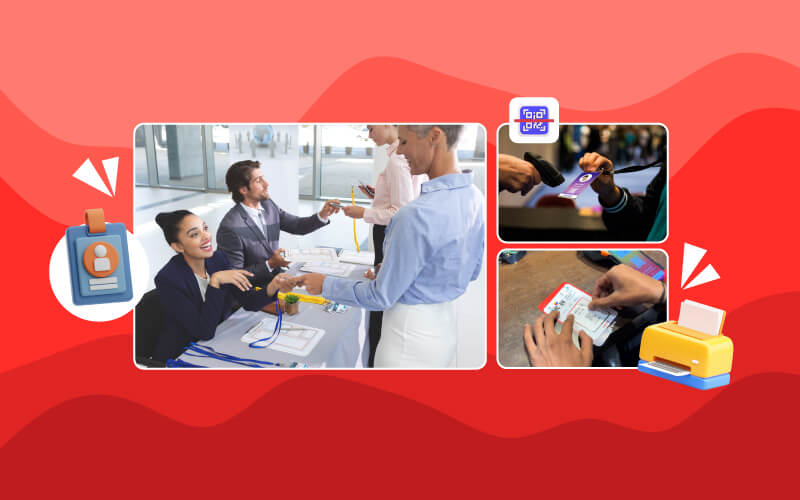
Technology is an integral part of contemporary healthcare event management. From online event registration & ticketing to live streaming, healthcare event technology makes events more efficient and convenient.
A healthcare event management platform can automate tasks that were previously done manually. It can organize ticketing, send reminders, and gather feedback. It can also facilitate hybrid events, where some attendees are in the room, and others are online.
Emphasizing healthcare event technology ensures that the event is conducted in a smooth manner. It also gives the event a professional touch, which is an added advantage.
Read More:– Event Technology Trends: What You Need to Use in 2026
Step 4: Consider the Logistics
Healthcare event management involves a lot of logistics. The venue, seating, food, and audio-visual equipment are all important. Each one of these factors adds to the ambience of the event.
Medical conference event management involves attention to timing. The sessions should not be too long. Breaks should be taken at the right time. Even minute details, such as signs and directions, can impact the audience.
The management of healthcare conferences is not only about making major decisions. It is also about the small details that make the conference comfortable and easy to understand.
Step 5: Engage the Audience
The success of an event also depends on whether the audience feels included. Healthcare event planning must involve audience engagement. This could be through interactive sessions; or networking breaks.
Healthcare event technology can help with audience engagement. Polls, live chat, and mobile apps enable audience engagement during sessions. A healthcare event management platform can compile questions and feedback in real-time. Virtual event platforms such as Dreacmast can help you to make your event more engaging with the help of interactive tools and features.
Step 6: Communication and Promotion
The event is already there in words long before the first session even begins. Messages, reminders, short notes, and updates create the event’s presence in people’s minds. If the communication is rushed and unclear, the interest dwindles silently. That is why healthcare event planning pays serious attention to this step. Promotion does not require constant repetition. It requires constant presence.
Clear emails explain what the event entails. Timely updates remind people without any pressure. Healthcare conference management teams often distribute information across trusted professional platforms so that the message reaches people who actually care. Within the working group, silence is a risk. If updates are missed, errors occur. Many teams use a healthcare event platform such as Dreamcast to keep discussions, timelines, and other information in one place. This cuts down on back-and-forth communication and keeps everyone on the same page without any extra effort.
Step 7: Execution on the Day
The event day is quite different from the planning process. Time flies faster. Decisions become more crucial. Medical conference event management enters the observation and response mode. Teams observe how people are moving, where the bottlenecks are, and where the support is required. Rather than acting on emotions, teams fall back on what is already in place. Check-in processes hum in the background. People follow live schedules without having to ask questions. Healthcare event technology keeps up with the tempo without calling attention to itself.
Healthcare conference management at this point is more about awareness than control. As things change, teams adapt. When everything is going well, they get out of the way. It is often more important to remain calm than to act quickly.
Step 8: Review and Feedback
After the rooms are empty and the screens are dark, a new type of work begins. Reflection requires time and candor. Healthcare conference management improves only when teams take the time to reflect and look back without regret.
Feedback does not require extensive forms. Sometimes, simple questions are more informative. Feedback gathered via healthcare event technology is swift while memories are still fresh. A healthcare event management system can help to make sense of feedback responses, and patterns will become clearer. Medical conference event management improves with repetition and learning. One experience informs the next. Feedback notes inform future decisions. With time, planning becomes clearer, smoother, and more down-to-earth because the voices of the past have been heard.
Read More:- Event Expert Suggestions for Every Organizer to Improve Future Events
The Role of Healthcare Event Management System
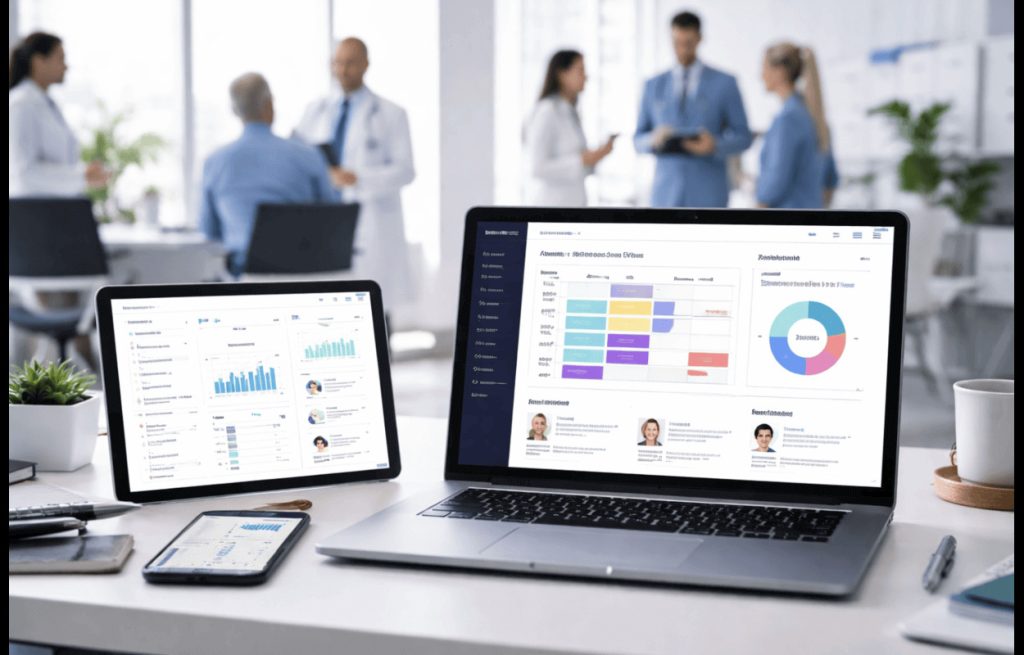
The role of a healthcare event management system is to quietly keep everything together. It does not sit on the surface, but it helps to determine how work flows from one level to another. In the management of healthcare conferences, the role of such a system is to facilitate planning, event communication, and staying on track without creating stress. When teams work with a system, planning healthcare events seems more clear. Work is simpler to understand. Schedules stop living in disorganized files. Progress is tracked instead of guessed. Additionally, healthcare event technology also helps with the attendee experience, making schedules, updates, and access smooth rather than confusing.
Medical conference event management benefits from this structure because fewer manual steps mean fewer errors. Time that was once spent fixing small issues can be used to focus on sessions, discussions, and overall flow. The system supports people by freeing up their time, not replacing them. While technology plays a key role, the true success of any event still depends on the people behind it.
Healthcare events happen because professionals meet to achieve common goals. The setting should facilitate this, not confuse it. Healthcare conference management is best done when decisions are made with the attendees in mind. Clarity in directions, comfortable flow, and proper interaction all help to determine how the event will be remembered. Planning healthcare events should always keep in mind the time and effort that the attendees bring to the table.
A medical conference event is successful if it leaves people feeling educated and focused. If the experience is worth their time, then the event has accomplished its task.
Step by Step Summary
- Start with a clear goal and keep it visible.
- Create a structure that supports attention and rest.
- Apply healthcare event technology only where it helps.
- Handle logistics with patience and detail.
- Keep the audience involved and informed.
- Share updates early and clearly.
- Stay steady during execution.
- Review feedback and note what can improve.
Healthcare event management is not one action. It is a process built from many small choices. When those choices support each other, the result feels natural and complete.
Final Words:-
Transforming medical conferences and healthcare summits requires more than just logistics- it demands vision, precision, and adaptability. From early communication and promotion to smooth execution and thoughtful feedback collection, each step plays a vital role in shaping a meaningful experience for attendees. By leveraging modern event technologies, fostering collaboration within teams, and continuously learning from past events, organizers can elevate healthcare gatherings into platforms that inspire innovation, strengthen professional networks, and drive positive change in the industry.
Ultimately, successful healthcare event management is not just about hosting an event- it’s about creating an environment where knowledge is shared, connections are built, and the future of medicine is advanced.
FAQs
1. Why Is Communication So Important In Healthcare Event Planning?
Effective communication ensures that the right audience is aware of the event, builds anticipation, and keeps team members aligned. Without strong communication, even the best-planned event risks low attendance or confusion among organizers.
2. What Are The Best Channels To Promote A Medical Conference?
Promotion can be done through email campaigns, social media platforms, professional networks, medical journals, and partnerships with hospitals or universities. Using multiple channels helps reach a wider and more relevant audience.
3. How Can Technology Improve Execution On The Day Of The Event?
Healthcare event technology offers tools like automated check-in systems, digital schedules, and real-time dashboards. These minimize delays, keep attendees informed, and help organizers respond quickly to unexpected challenges.
4. What Should Organizers Prepare For On The Event Day?
Organizers should have contingency plans for technical issues, speaker changes, or emergencies. A well-trained team, clear communication channels, and backup resources ensure smooth execution.