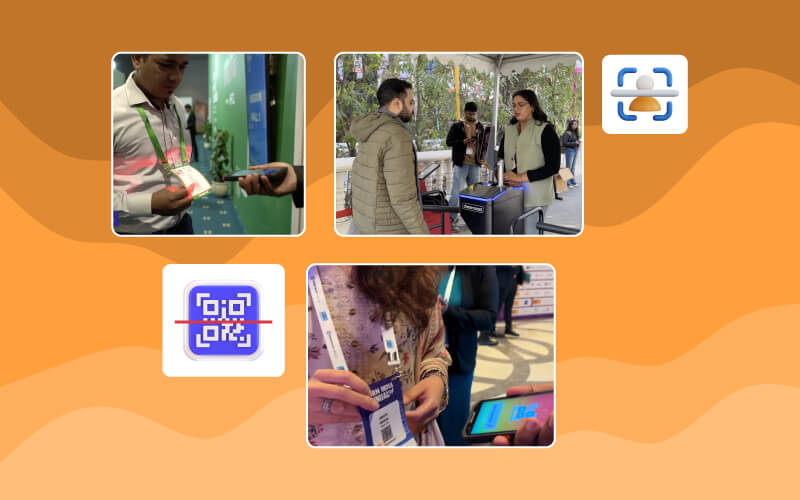




No matter how much you plan, the true success of an event is decided by its onsite event operations. Onsite operations can make or break the entire event experience. So, organizers need to ensure everything works as they are supposed to.
A well-organized event feels seamless from the moment guests arrive. This includes everything from efficient check-ins and badge printing to monitoring real-time data. When these processes work perfectly, attendees feel welcomed. The event stays on track without unnecessary confusion.
So, let’s get into the event operations guide. The guide is to help organizers improve onsite management. The goal is to help organizers deliver a smooth and professional experience for everyone involved.
What are Onsite Event Operations?
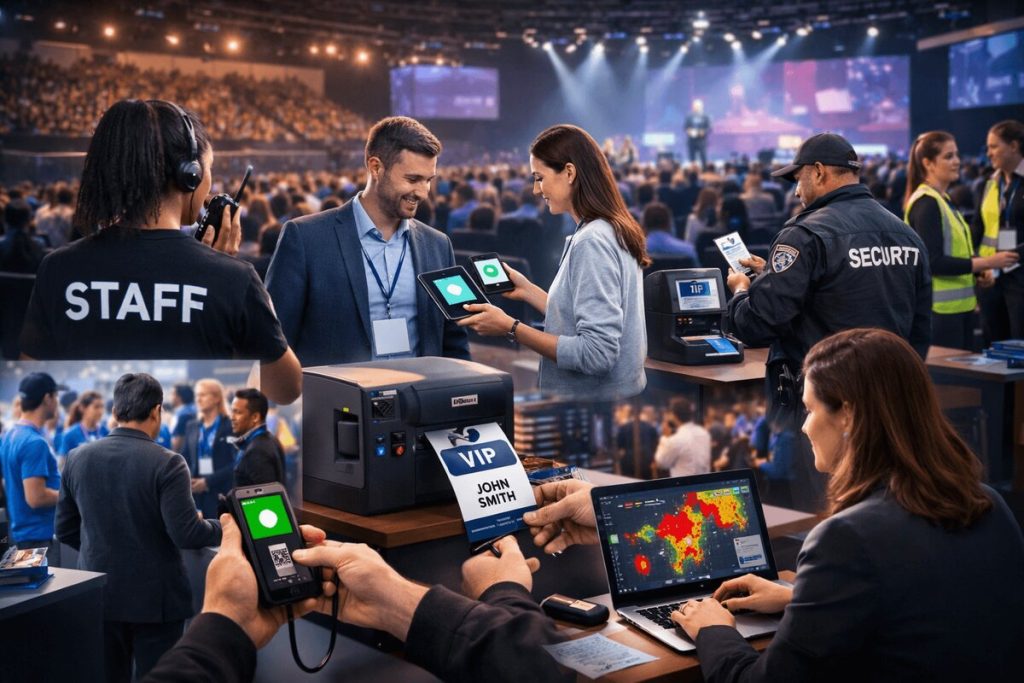
Onsite event operations are the work and services performed during the event at the venue. The reason behind making everything run smoothly is these operations. From the moment attendees arrive until the event ends.
A few major operations your event might have include:
- Managing attendee entry and verification.
- Handling onsite event check-in.
- Printing badges and distributing them.
- Monitoring attendee participation.
- Managing event staff and volunteers.
- Tracking attendee movement and engagement.
Organizers get better control over the entire event when the event management operations are strong. Moreover, when the operations team works efficiently, the experience is enhanced. Attendees get faster entry, communication becomes better, and the venue feels well-organized.
On the other side, when the event operations management is poor, the chances are the event could have long lines, confusion at entry, and session delays. Therefore, it’s helpful to plan every operational detail before the start of the event.
Why Efficient Event Operations Matter
Good onsite event operations take the attendee experience to another level. Operational issues can create frustration even if the event has great speakers and content. Making the operations efficient is essential. Here are some reasons why:
1. Faster Entry for Attendees
Entry is the first impression of any event. A slow check-in process can lead to long queues and unhappy attendees. A smooth onsite event check-in process is beneficial. It helps attendees enter quickly and start enjoying the event.
2. Better Crowd Management
Large events often involve thousands of attendees. Having proper event management operations is crucial. Without it, managing crowds becomes difficult. When the operational planning is good, controlling attendee flow is easier. Organizers can also avoid congestion.
3. Improved Security
Verifying attendee information during entry is important. It ensures that only registered guests enter the venue. Thanks to QR code event check-in systems for making the process fast and secure.
4. Data Collection and Insights
Tracking attendee participation provides insights. Organizers can understand attendee behavior. With attendee tracking for events, organizers can learn which sessions are popular and how attendees move around the venue. Thanks to these insights for improving the future events.
Preparing for Onsite Event Operations
Successful events begin with preparation. Before the event day, organizers must create a clear plan for operational activities. A well-prepared team can handle unexpected challenges with ease.
Here are some steps to prepare for efficient onsite event operations.
Define the Operational Workflow
Start by defining the complete attendee journey. This includes:
- Registration confirmation.
- Entry verification.
- Badge printing.
- Session access.
- Activity tracking.
Mapping the entire workflow helps the operations team understand their responsibilities.
Train the Event Staff
Staff members play a key role in managing event management operations. They must know how to use check-in tools, badge printers, and tracking systems. Training sessions before the event can prevent confusion on the event day.
Set Up Technology in Advance
Modern events rely on technology to simplify operations. Organizers should test their check-in systems, badge printers, and attendee tracking for events tools before the event begins. Testing helps identify technical issues early.
Managing the Onsite Event Check-In Process
The entry process is one of the most important parts of onsite event operations. A well-organized check-in system ensures that attendees can enter quickly and without confusion. Traditional manual check-in methods often cause delays. Today, many organizers prefer digital systems.
Digital Check-In Systems
Digital tools allow event staff to verify attendee information instantly. Instead of searching through long lists, staff members can scan a code or search a name in seconds. These systems improve the speed and accuracy of onsite event check-in.
QR Code Event Check-In
One of the most popular solutions today is QR code event check-in. In this method, attendees receive a QR code during registration. When they arrive at the venue, staff members scan the code using a device or scanner.
This process offers several benefits:
- Faster entry for attendees.
- Reduced waiting time.
- Accurate verification of registration.
- Real-time attendee data.
Because of these advantages, QR code event check-in has become a standard solution for modern events.
Multiple Check-In Counters
Having multiple check-in counters is helpful when the events are large. They can help avoid long queues. The attendees can be separated into different categories.
Attendee categorization and check-in counter distribution contribute to the efficiency of event operations management. It ensures that every attendee receives quick assistance.
The Role of Badge Printing in Event Operations

Once the onsite event check-in is done, the next part of the process is badge distribution. Event badges help attendees to network. They can move around the venue. That’s where the badge printing comes in.
Why Event Badges Are Important
Event badges help in several ways:
- Identify attendees quickly.
- Improve networking opportunities.
- Control access to restricted areas.
- Support attendee tracking for events.
Badges can also include useful information such as attendee name, company, and role.
On-Demand Badge Printing
Modern events often use on-demand badge printing systems. These systems print badges instantly after check-in.
Benefits of on-demand printing include:
- Eliminates the need for pre-printed badges.
- Reduces errors in attendee information.
- Speeds up the check-in process.
- Allows last-minute registrations.
This approach simplifies event management operations and ensures that every attendee receives the correct badge.
Designing Effective Event Badges
A good badge design improves readability and networking.
Badges should include:
- Attendee name in large font.
- Company or organization name.
- QR code or barcode for scanning.
Clear badge designs help both attendees and staff members identify participants quickly.
Implementing Attendee Tracking for Events
Understanding attendee behavior is important for improving future events. This is where attendee tracking for events becomes valuable. Tracking systems collect event data about attendee movement and engagement during the event.
How Attendee Tracking Works
Tracking systems use different technologies to monitor participation.
Common methods include:
- QR code scans.
- RFID badges.
- Mobile event apps.
- Session check-ins.
These tools allow organizers to record which sessions attendees attend and how long they stay.
Benefits of Attendee Tracking
Implementing attendee tracking for events provides several advantages.
1. Measure Session Popularity:
Tracking systems help identify which sessions attract the most attendees. This information helps organizers plan better content for future events.
2. Improve Event Layout:
Tracking data can show areas where attendees spend the most time. This helps improve venue layout and booth placement.
3. Provide Value to Sponsors:
Sponsors often want to know how many attendees visited their booths. Tracking data can provide these insights.
This improves the effectiveness of event operations management and strengthens sponsor relationships.
Managing Real-Time Event Data
Real-time data plays a major role in modern onsite event operations. Event teams can monitor attendance, session participation, and crowd movement as the event progresses. This information allows organizers to make quick decisions.
For example:
- Opening additional check-in counters during peak hours.
- Adjusting session schedules if rooms are full.
- Managing crowd flow in busy areas.
Real-time data improves the efficiency of event management operations and helps maintain a smooth attendee experience.
Handling Common Onsite Challenges
Even with careful planning, events can face unexpected challenges. The operations team must be ready to respond quickly.
Here are some common challenges and solutions.
1. Long Check-In Lines
If queues become too long, organizers can add more onsite event check-in counters.
2. Technical Issues
Technology problems can disrupt QR code event check-in systems. Keeping backup devices and internet connections helps avoid delays.
3. Last-Minute Registrations
Many attendees register on the event day. On-demand badge printing and digital registration tools make it easier to manage these situations. Event operations management effectively handles the challenges.
Coordinating the Event Operations Team
The teamwork ensures a successful event. The operations team ensures clear communication. This also makes the team coordination easier throughout the event. There are a few key roles within the team of the event management operations:
- Check-in staff.
- Badge printing operators.
- Technical support staff.
- Crowd management personnel.
- Data monitoring team.
Each team member must know their responsibilities. They should know the reporting structure. When the communication channels are clear, the whole team can respond better. No matter what the situation is, the communication is quicker.
Measuring Event Success Through Data
After the event ends, organizers should analyze the collected data. This information provides insights into the overall performance of the event. Using data from attendee tracking for events, organizers can measure:
- Total attendee participation.
- Session popularity.
- Peak attendance hours.
- Engagement levels.
Such insights improve planning. Even more, the decision-making improves when future events come. So, the data-driven approach in planning is more important than ever before. Planning using data is now part of the modern onsite event operations.
Post-Event Operational Review
Conducting a post-event operational review is important. This process provides an opportunity to make improvements. The review should include:
- Feedback from attendees.
- Staff performance analysis.
- Technology performance evaluation.
- Review of onsite event check-in efficiency.
- Analysis of tracking data.
This review process strengthens future event management operations and ensures continuous improvement.
Final Thoughts
Executing an event successfully requires more than good planning. It requires strong and well-organized onsite event operations. Thanks to the event tech solutions for making the operations strong. The processes can be simplified. The efficiency can be improved.
By focusing on preparation, technology, and teamwork, organizers can ensure that their events run smoothly from start to finish.
Following a structured event operations guide helps teams stay organized. The challenges can be effectively managed. With the right strategy and tools, event organizers can deliver professional and memorable experiences for every attendee.