

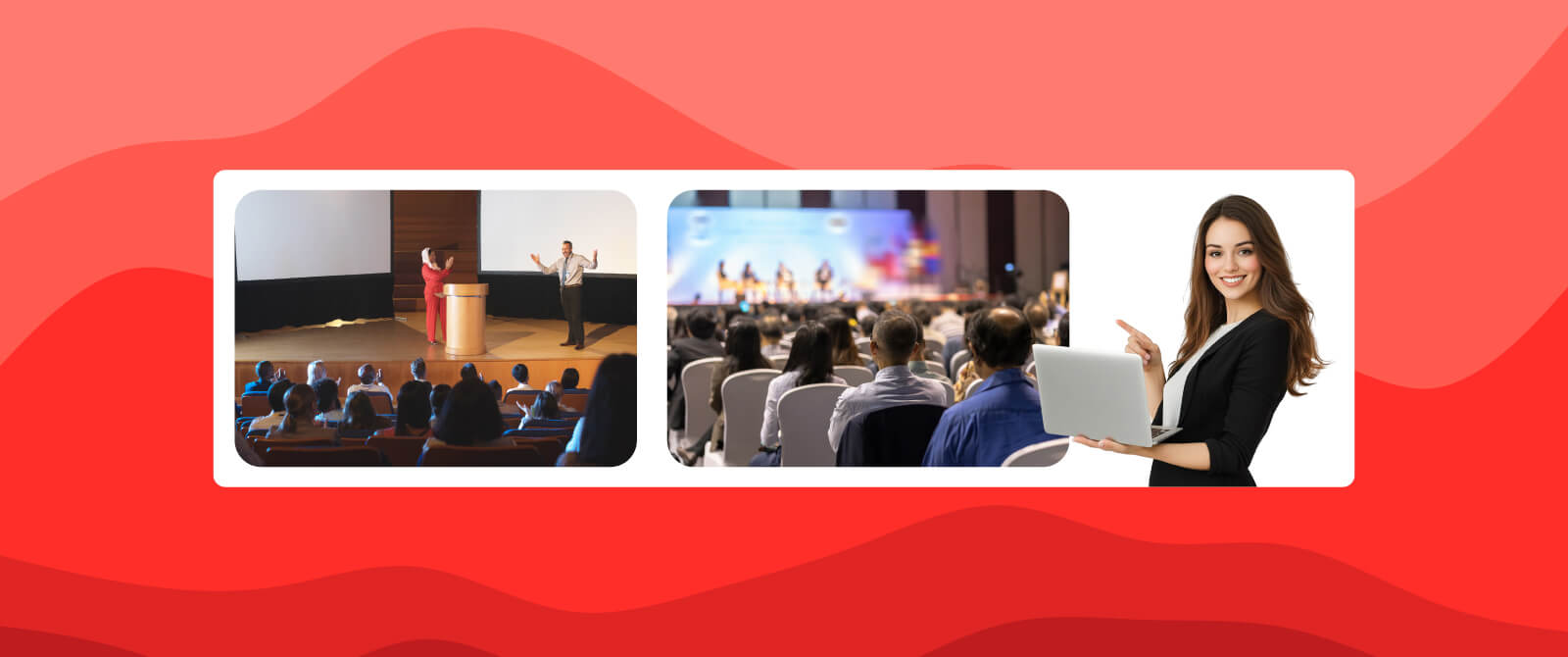
Events are no longer small or simple. Teams handle large audiences, many locations, and tight timelines. That is where a strong enterprise event platform helps. It keeps everything in one place and makes work easier. WifiTalents makes a strong point: the use of enterprise event solutions or event technology in events increases event ROI by 20%.
But choosing the right event technology solutions is not always easy. There are many tools, many claims. This guide will help you understand what to look for, what to avoid, and how to pick something that truly works for your team.
What is an Enterprise Event Platform?
An enterprise event platform is an all-in-one solution that helps organizations plan, manage and execute large-scale events seamlessly, from registration to analytics. These events can be virtual, in-person, or a mix of both. It is not just about registration or emails. It connects every part of the event. Dreamcast is an enterprise event platform for instance. It manages an event’s end-to-end lifecycle.
From how people sign up for the event to how they check-in and move inside the event, Dreamcast handles everything. The key thing you must look for in the enterprise event technology you choose is how comprehensive are its solutions. The whole idea is to find a unified platform with multiple solutions because fragmented event tech leads to chaos.
Here’s a basic overview of what all an enterprise event management platform does for you:
Key Inclusions:
- Event planning and scheduling
- Registration and ticketing
- Attendee management
- Access management
- Communication tools
- Data tracking and reports
- AI-based solutions
These tools are built for big teams and big events. That is why they are also called enterprise event solutions.
Why Do You Need an Enterprise Event Platform for Your Events?
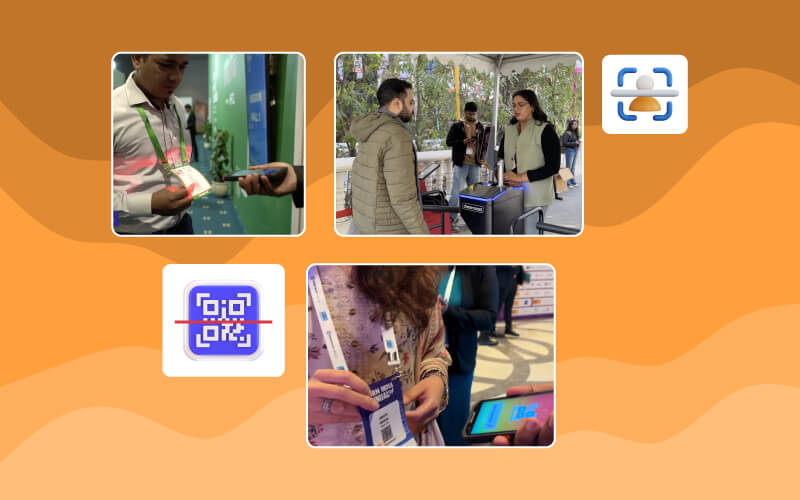
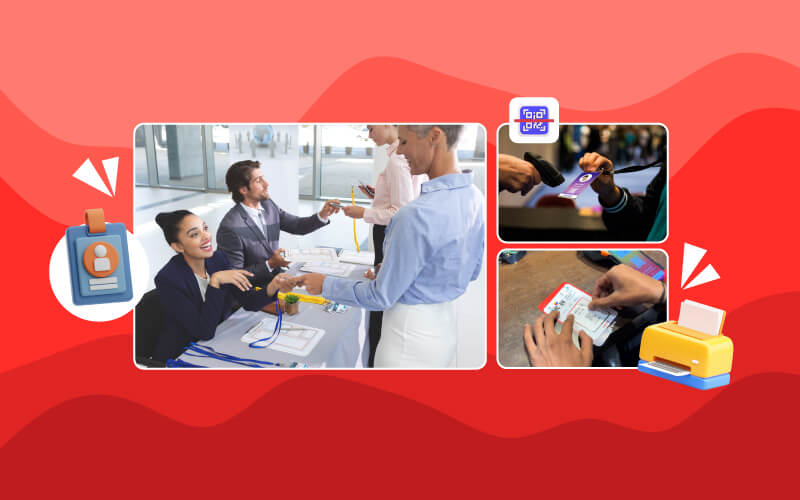
When events grow, things get messy. Spreadsheets stop working. Teams get lost. Small mistakes become big problems. A good platform fixes this. It brings control. It saves time and reduces stress. When you choose a platform like Dreamcast, you basically invest in an event control center type of setup. You don’t have to physically run around your event to track what’s happening. Of course, there are physical setups, terminals, turnstiles, badge printing desks, self-check-in kiosks, etc., but their backend is fully digitised. So, the system doesn’t break under pressure. Unlike manual checks, it easily keeps up with high footfall! Next, you don’t have to look for different solutions for different problems. Imagine how chaotic it can get when you have to choose a different sign-up platform, then a separate ticketing, and so on.
Why Choosing the Right Platform Matters?
Choosing an enterprise event platform is a must, but which one is the best for you? In making this choice, you can’t go wrong! Picking the wrong enterprise event solutions can slow you down. It can waste money. It can even hurt your event experience.
That is why choosing the right enterprise event management system is so important.
Here’s what happens when you make the right choice:
– Your teams work faster
– Attendees have a better experience
– Data is easy to track
– Events feel smooth and well planned
But, here’s the flipside: What happens when you choose poorly?
– Everything is fragmented
– Teams feel confused
– Data is scattered
– Attendees feel frustrated
– Events feel rushed and broken
The right enterprise event technology helps you stay ahead. The wrong one pulls you back.
How to Choose Well?
The first step to choosing your enterprise event platform is understanding your event needs first.
Before you look at tools, look at yourself. What do you really need? This step is simple. But many skip it. And that leads to bad decisions. Ask these questions:
– How many events do we run each year?
– Are they virtual, physical or hybrid?
– How large are these events?
– How many people are involved in planning?
Next, think about your audience. Are your attendees internal teams? Clients? Global users?
Different audiences need different features.
Finally, set clear goals. Do you want more engagement? Better data? Faster planning?
Your goals should guide your choice of enterprise event solutions.
Key Features to Look For in Your Enterprise Event Platform
Once you know your needs, it is easier to check features. Not every platform will suit you.
Focus on what truly matters. Here’s a simple guide:
1. Easy-to-use Interface
If your team struggles to use it, nothing else matters.
Look for:
– Clean dashboard
– Simple navigation
– Quick learning curve
2. Strong Event Registration System
Registration is the first step of any event. Make sure your enterprise event platform offers:
– Custom forms
– Easy and secure payment options
– Fast check-in
3. Good Communication Tools
Events need constant updates.
Check for:
– Email automation
– Push notifications
– Reminders
4. Data and reporting
Data helps you improve. A strong enterprise event management system should give:
– Real-time reports
– Attendance data
– Engagement insights
For instance, Dreamcast ensures that organisers are aware of whatever is happening in their event in real-time with its advanced analytics.
5. Integration with other tools
Your platform should connect with tools you already use, just like Dreamcast does.
For example:
– CRM systems
– Marketing tools
– Payment gateways
This is where modern enterprise event technology really shines.
6. Scalability is a Must
If your events will grow, your platform should also grow with you. A small tool may work today. But what about next year? That is why you need a scalable event management platform for enterprises, like Dreamcast.
What does scalability mean?
– Handles more users easily
– Supports multiple events at once
– Works across regions
Why does it matter?
Large events need strong systems. Especially when dealing with high-profile mega events management. If your platform crashes or slows down, it affects everything. Plus, enterprises are all about giving attendees the feeling that they were not a part of some crowded mess, but a highly structured and organised event. As crowd movement is rapid and many people enter the event at once, slow systems just don’t work. This is why a scalable platform like Dreamcast becomes a must!
7. Focus on Security and Compliance
Events deal with data. Personal data. Payment data. Company data. Hence, you cannot ignore security. Dreamcast ensures that organisers or attendees never have to worry about data and payment security.
Security features that matter:
– Data encryption
– Secure payment systems
– Compliance with global standards
A good enterprise event platform protects both you and your attendees.
8. Customisation and Branding
Every event is different. Your platform should reflect that. You should be able to shape it your way, like Dreamcast lets you.
What to check:
– Customizable event pages
– Brand colours and logos
– Flexible layouts
This is important for companies that host high profile mega events management. These events need to look polished. Every detail counts.
9. Support and Training
Even the best tool needs support. Problems can happen. Questions will come up. But good support makes a big difference.
Here’s what you should look for:
– 24/7 customer support
– Training resources
– Help guides and tutorials
A reliable enterprise event management system will not leave you alone.
10. Budget vs Value
Price matters. But value matters more. Do not just pick the cheapest option. Or the most expensive one. Think about value and to do that, ask these questions:
– What features do you really use?
– Does it save time?
– Does it improve your event quality?
A good enterprise event platform pays for itself over time.
11. Test before you decide
Most platforms offer trials. Use free demo they offer. Real use shows real problems. This is the best way to find the right enterprise event solutions for your team. Look at reviews and case studies. Other people’s experiences can help you.
What to look for:
– Real user reviews
– Case studies from similar companies
– Event-based case studies, like Dreamcast puts up on its website for organisers
– Feedback on support and performance
This gives you a clearer picture of how the platform works in real life.
Pro-Tip: Think Long-Term
Do not just think about your next event. Think about the next few years. Your needs will change. Your events will grow. That is why choosing the right enterprise event technology matters so much. A flexible platform saves you from switching later.
Final Checklist Before You Decide:
Before you make the final call, go through this quick list.
Ask yourself:
– Does it meet our current needs?
– Can it grow with us?
– Is it easy for our team to use?
– Does it fit our budget?
– Does it support large-scale events?
If the answer is yes to most of these, you are on the right track.
Conclusion
Choosing the right enterprise event platform is not just about picking the one with the most features. It is about finding something that truly fits your team and the way you work. It should support your goals today and still work well as your events grow bigger. Take your time, explore different options, test them properly, and choose a platform that makes your work easier, not harder.

FAQs
1. How is enterprise event management different from regular event tools?
Enterprise event management tools are built for scale. They support large teams, big audiences, and complex events. Regular tools may not handle this level of work.
2. Why is scalability important in event platforms?
A scalable event management platform can handle growth. As your events get bigger, the platform should still perform smoothly without issues.
3. What features should I prioritise?
Focus on ease of use, strong registration, communication tools, and data reporting. These are key parts of any good system.
4. How does enterprise event technology improve events?
It brings everything together. It reduces manual work, improves coordination, and helps deliver a better experience for attendees.