

Like every other industry, the events industry is also successfully shifting to digital development, witnessing a matchless level of advantages. Over time, various types of virtual events have been gaining popularity. And virtual fairs are one such type of event. An online fair can be of different types and aims at bringing audiences from a common niche together to connect & network. Not just seamless interactivity but a virtual event also maximizes the number of qualified leads for the organization. Let us understand all about a virtual fair event further.
What is a Virtual Fair?
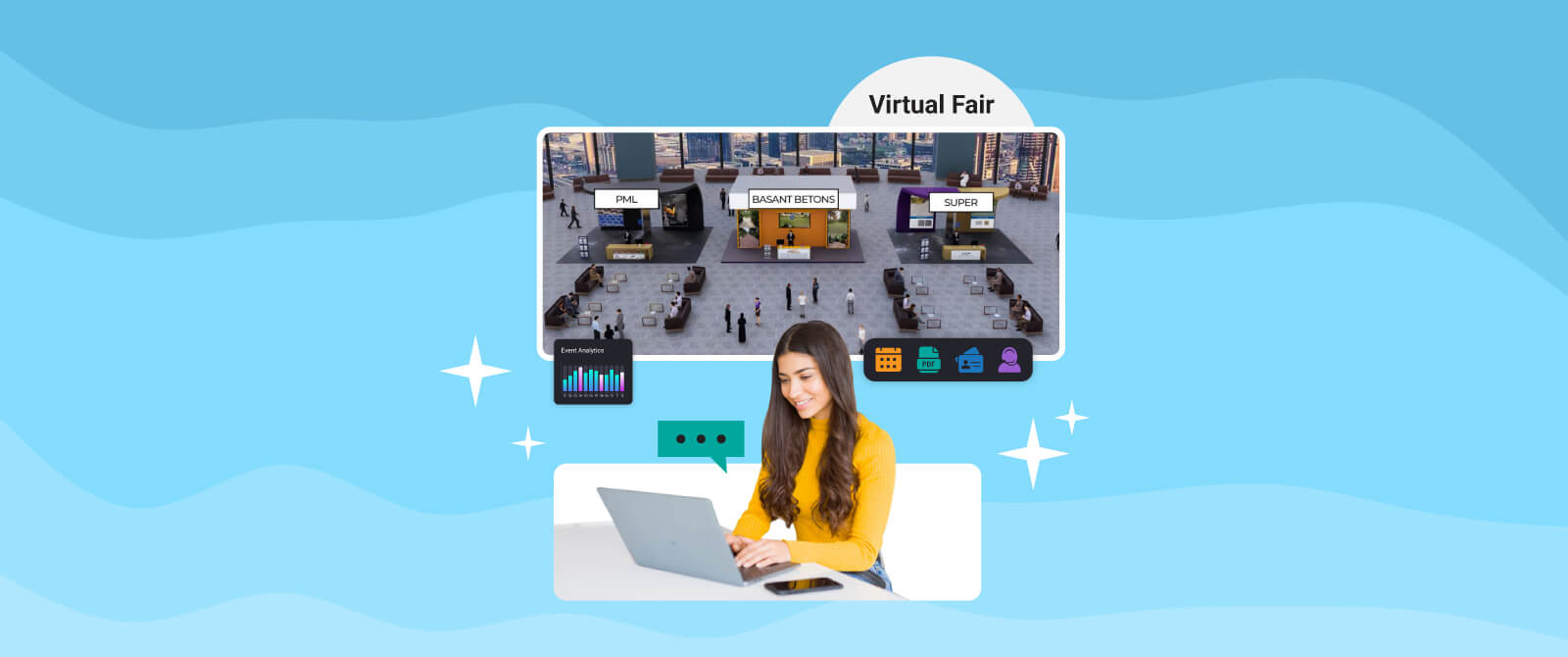
A virtual fair is an online event organized over an immersive virtual environment, powered by top-notch interactive & engaging features. A virtual fair enables seamless networking between all the exhibitors & candidates, enabling valuable connection building. The event is organized over an immersive virtual event platform, providing complete customizability to help users have a branded event experience. One thing that makes a virtual fair stand out is the global availability & flexible accessibility of the event content. In addition, the features of a Virtual Fair event facilitate real-time interaction, further amplifying a greater possibility of success & maximum ROI.
10 Types of Virtual Fairs
Here are some of the most recognized types of virtual fair events:
1) Virtual Career Fair
A virtual career fair is an online outreach event that brings global candidates and recruiters together in an immersive virtual environment. Through a virtual career fair, candidates get to explore various career opportunities & interact with the employers using a virtual fair platform’s virtual tools.
2) Virtual Job Fair
A virtual job fair is an excellent way to bring top employing companies and skilled job seekers together to connect, interact, and network in an engaging virtual venue.
3) Virtual Trade Fair
A virtual trade fair is an online event where an unlimited number of exhibitors can showcase their products to their global target audience. A virtual trade show platform enables the exhibitors to create their own branded booths and level up their brand’s presence & reach worldwide.
4) Virtual Recruiting Fair
A virtual recruiting fair is an online event that enables the recruiters & employers to connect with the most suitable job seekers for the open positions. A virtual fair platform provides relevant virtual tools that help the users find candidates & jobs as per their preferences.
5) Virtual Benefit Fairs
Virtual benefits fair or employee benefits fair is an online event hosted by an organization to educate their global employees about the company’s benefits & privacy policies. A virtual benefits fair helps the organizations in broadcasting their employee benefits plan to a widespread workforce over an immersive digital environment.
6) Virtual Education Fair
A virtual education fair is an online event that helps the students & their families explore top colleges & universities virtually. Organizing an online education fair is an excellent way to provide educational institutes with a wide pool of prospective candidates.
7) Virtual Onboarding Fair
A virtual onboarding fair is an online event dedicated to welcoming the newly hired candidates through a fun onboarding & orientation session help virtually. It is an event where the existing members of the company inform the recruited employees about the key aspects & functioning of the organization. Apart from informative sessions, a virtual onboarding fair also includes fun icebreaking activities to make the new employees feel comfortable & welcomed.
8) Virtual Open Day
A virtual open day is an online event organized by universities to inform the prospective candidates about the institute’s programs, admission process, faculties, infrastructure, etc. A virtual open day of a university includes a series of seminars, virtual tours, and live interactive sessions to help the attendees have an informative event experience.
9) Virtual Launch Fair
A virtual launch fair event views the launch of a new product or service in an immersive online environment. A virtual launch platform enables the organizer to seamlessly interact with the users & demonstrate the product in a 360-degree view.
10) Virtual Health Fair
A virtual health fair is an online event organized by a healthcare institute to discuss health-related issues, fundraising, and charity for the health sector. A virtual fair platform provides the users with scalable branded exhibit booths, virtual auditoriums, engagement zones, etc., creating an immersive experience for all the attendees.
11) Virtual Alumni Fair
This type of virtual fair can be the perfect opportunity for educational institutions to reach out to their graduates once again, in addition to benefiting their current students. There are interactive lounges for networking, mentorship forums, and even showcases of alumni success stories. Organizations can tap into the facilities of virtual fairs to reach out to their alumni living all over the globe, thereby creating a family feel. They can even use alumni fairs as tools for raising funds, which can help them function better and create stronger links with their alumni family.
12) Virtual Health & Wellness Fair
Traditionally, these health and wellness fairs have been community-focused events, and their virtual versions are now able to reach a much larger audience. The health and wellness fair may feature live fitness classes, meditation sessions, talks by experts on health and nutrition, as well as virtual booths for healthcare providers. The advantage of participating in a virtual health and wellness fair lies in the easy availability of health and wellness resources without the need to travel. At the same time, virtual health and wellness fairs also have a larger advantage in terms of promoting a healthy lifestyle across the globe.
13) Virtual Art & Culture Fair
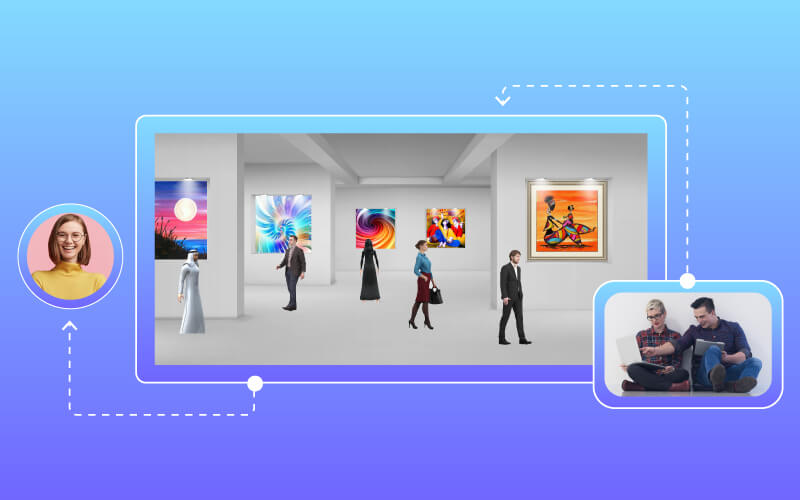
A virtual art and culture fair provides a digital platform for various artists, performers, and cultural organizations to showcase their work. Virtual galleries, live performances streamed online, workshops that are interactive, and even online marketplaces for the sale of art are common in these events. Geographical barriers are eliminated in such fairs, thus enabling creators to reach a worldwide audience, while the attendees get exposure to various cultural expressions from the comfort of their homes. Beyond entertainment, such fairs also enable cultural exchange, education, and collaboration, transforming them into potent tools to advocate for creativity and inclusivity in the digital era.
Benefits of Organizing a Virtual Fair
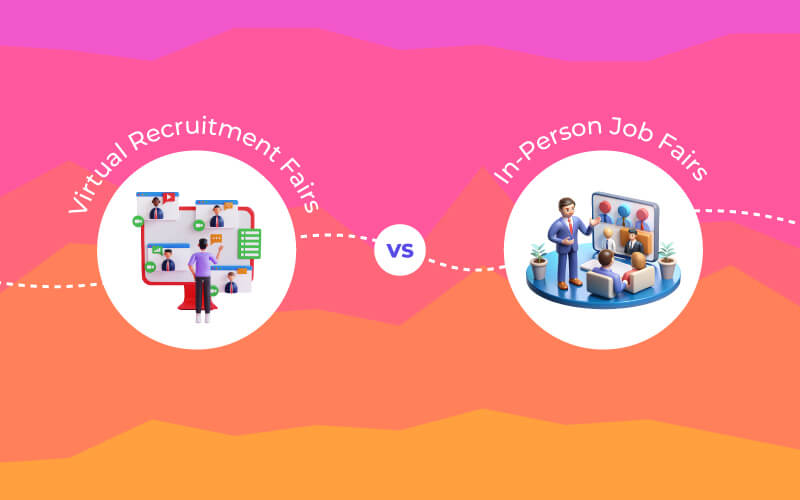
Here are five reasons why a virtual fair is better than an in-person fair.
1) Global Reach
A virtual fair enables you to reach your global target audience without any limitations. In the case of an in-person event, you have to plan the event remembering certain boundaries in mind like the number of attendees or venue size. However, a virtual fair platform comes with no such restrictions as you can scale and create an event venue of your expectations.
2) Reduced Expenses
By taking your fair virtual, you get to save a lot of expenses. It is so because, unlike an in-person event, the virtual event format doesn’t require the preparation of various resources. Everything comes packed in a robust virtual fair platform, from venue to interactivity. It clearly means that you don’t have to make arrangements for the venue, accommodation, booth set up, logistics, etc.
3) Simplified Networking
While finding the relevant connections or networking can seem like a task at an on-site event, a virtual fair makes it super easy. A virtual event platform provides users with various interactive networking tools like AI Matchmaking, Meeting Scheduler, Advanced Search Filters, Networking Tables, Interactive Booths, etc. Event participants can use these features and seamlessly interact with exhibitors in real-time.
4) On-Spot Sales
A virtual event platform provides live e-commerce integrations with seamless navigation, enabling on-event sales. With the help of this aspect, you get to maximize your sales & conversions as users get to act on their instincts during the event. As the participants attend your virtual fair from the comfort of their remote locations, virtual demonstrations & e-commerce becomes their convenient choice.
5) Engaging Virtual Experience
The most advanced virtual event platforms provide the users with an immersive 3D virtual experience that keeps them engaged. Apart from the option to access information, content, and sessions from their remote locations, users get to enjoy a whole new virtual experience. This aspect of a virtual event helps the organizers attract more registrations & participation during the event.
6) Data-Driven Insights for Better Decision Making
Besides, virtual fairs enable fair organizers to track audience behavior in real-time, such as booth visits, sessions attended, downloads, and audience engagement. The data can be used to analyze the audience’s preferences, calculate the ROI, and better plan the fair. One of the most significant advantages of virtual fairs over physical fairs is that they offer exact data, enabling better and improved decision-making in businesses.
7) Scalability Without Physical Constraints
Unlike traditional fairs that may be restricted in size by the available venue, the virtual fair size is easily expandable to reach thousands of people worldwide. That is, the fair, being small or large, international or local, may reach the targeted audience without the need to worry about logistical considerations.
8) Eco-Friendly and Sustainable Approach
Virtual fairs save on travel costs, printed matter, and physical infrastructure; this results in a reduced carbon footprint. Thus, it is an eco-friendly option that can align itself with the increasing requirement for sustainable business practices. Businesses can also take this opportunity to showcase their commitment to sustainable practices.
How Do You Organize a Virtual Fair
Taking your event virtual might seem like a difficult task. But it is definitely not! Organizing a successful virtual fairs requires you to follow these five simple steps.
1) Determine Your Event Objectives & Goals
The first and the most significant step to ensuring a successful online fair is determining its goals & objectives. Predefining the purpose of your virtual fairs and specific goals for each aspect will help you create an efficient event strategy. Therefore, think of all the event aspects and define the specific objectives.
2) Create a Well-Strategized Event Plan
Create a well-thought plan for your virtual fair based on the goals you defined earlier. From the event schedule & agenda to its flow and content, plan everything out strategically. Doing this will not only help you choose a suitable virtual fair platform for your event but also ensure its seamless execution.
3) Choose a Suitable Virtual Event Platform
Based on your event objectives & plan, choose a virtual fair platform that suits your requirements, expectations, and budget. An excellent virtual event platform provides 100% customizability along with scalable solutions. Not just this, but you also get to create a personalized 3D 360-degree interactive environment with seamless navigation.
Pro Tip: Make sure you choose a platform that not only provides a scalable & flexible solution but also has in-house tech capabilities, so you get a hassle-free all-in-one event tech solution.
4) Promote Your Virtual Fair
Begin promoting and creating a buzz for your virtual event. Using the right promotional activities will help you make your target audience know about the event. This way, you can make a maximum number of target audiences attend your virtual fairs. Also, make sure you start promoting the event at the right time, i.e., not too late & not too soon.
5) Test the Technology Before the Big Day
When all your event preparation is done and the big day is close, it’s time to check the event technology. Anything that involves technology, should be checked thoroughly with a dry test run. Reason being, if there were any glitches or errors, you will get to know them during the test itself. It will further help you ensure a smooth event execution without any tech errors.
Must-Have Elements & Features of a Virtual Fair
Here are some of the best elements that every virtual fair must-have. Therefore, make sure your virtual fair incorporates these virtual tools & features:
1) Stunning Virtual Environment
Ask your virtual event platform provider to set up a super engaging 3D virtual environment. As your participants are attending the event digitally, it is important to ensure that they have a memorable virtual experience. Therefore, design a branded, personalized, and attractive virtual venue that keeps your attendees engaged.
2) Seamless Navigation
While virtual events have been here for more than a year now, we can’t rule out the possibility of your attendees not knowing how a virtual platform works. Therefore, make sure that the virtual venue of your fair is easily comprehensible to the audience. Not just the user experience but the navigation should also be up to the mark. It will also ensure a higher level of attendee engagement.
3) Custom Branded Booths
Set up customized branded booths that provide relevant information to your organizers at the booth itself. This way, you can create a frictionless experience for your attendees where they get all the required details in one go. The exhibit booths can also include the option of a 3D 360-degree demonstration of your products.
4) Real-Time Event Updates
Include the feature of live multi-format notifications to keep your audience updated throughout the virtual fairs. It will not only keep your attendees hooked to the event but also ensure that they do not miss out on any session due to the lack of information.
5) Engaging Virtual Aspects
A virtual event platform comes with various engaging features & functionalities that can enhance audience engagement at your event. Therefore, explore all the engagement possibilities and include the ones that you find most suitable for your virtual fair. Mentioned below are some of the best virtual engagement features:
- Gamification
- Social Wall
- Leaderboard
- Signature Wall
- Live 1:1 & Group Chat
6) Live E-Commerce Capabilities
Any fair is incomplete without real-time business capabilities. Therefore, include the feature of live shopping & e-commerce to provide greater value to your attendees. Using the feature of live commerce activity enables you to have direct interaction with your consumers. And, this aspect helps you build better relationships with your audience & maximize the lead generation.
7) Provide Content On-Demand
Make the content of your virtual fairs available on-demand so the participants can access it at their convenience. While the virtual format of events is already very convenient for users, the availability of on-demand content further adds to it. Using this feature, your users can seamlessly access the event data at their preferred time. In addition, it will also enable you to maximize your event’s presence & exposure.
8) Include Entertaining Sessions
An excellent virtual event platform provides you with dynamic virtual environments where you can run different types of sessions. So, you can make use of this opportunity and elevate your attendees’ experience by including a well set-up entertainment session. You can also invite an industry-related renowned personality to ensure an engaging virtual fair.
9) Excellent Networking Tools
Networking is one of the most significant aspects that every attendee expects at the event. Everybody wants to build and foster valuable connections by networking with other event participants. Mentioned below are some of the must-have networking features:
- Networking Tables
- AI Matchmaking
- Meeting Schedulers
- Advanced Search Tool
- Business Card Exchange
- Live Multi-Format Communication
10) Complete Event Analytics & Reports
The capability to track all the event data is one of the most significant benefits of a virtual event platform. Therefore, make sure you choose a platform that provides you with this feature and that you utilize it at your virtual fair. Including this feature can be of great advantage to you as you can easily analyze each and every aspect of your event and track its efficacy. Organizing a Virtual Fair can seem like a task, but once you choose a managed virtual event platform, all you have to do is expect a seamless execution. An all-in-one virtual event solution encompasses all the vital virtual setup aspects, enabling the organizer to focus on the rest of the event preparation. Hence, go on and host a winning Virtual Fair event!

Conclusion
Likewise, virtual fairs have significantly changed the manner in which organizations, institutions, and societies are able to connect and reach out to their communities. For instance, the geographical factor, cost, and interactive element have been able to break barriers and offer a sustainable and effective means of connecting. Whether it’s recruitment, networking, learning, or exhibiting, virtual fairs offer doors to the world and have the potential to offer results. With continued and increasing advancements in the use of technology, virtual fairs are expected to be even better.
FAQs
Q1. What is a virtual fair?
A virtual fair is an online event where participants interact through digital platforms. It replicates the experience of a physical fair with features like booths, live sessions, networking lounges, and downloadable resources.
Q2. What are the advantages of hosting a virtual fair over a physical one?
Virtual fairs save costs, expand global reach, provide detailed analytics, and are eco-friendly. They also allow flexible participation from anywhere in the world.
Q3. Can virtual fairs be customized for different industries?
Yes. Virtual fairs can be tailored for career recruitment, education, trade, networking, product launches, or even cultural events, depending on the organizer’s goals.
Q4. How do organizers keep attendees engaged during a virtual fair?
Engagement can be boosted through live Q&A sessions, gamification, polls, interactive booths, networking lounges, and personalized recommendations.
Q5. Are virtual fairs secure?
Most platforms use secure login systems, encrypted data transfer, and privacy controls to ensure safe participation for both organizers and attendees.