



The success of a virtual event depends heavily on the platform behind it. A slow interface, poor networking tools, or unstable streaming can reduce attendee engagement within minutes. On the other hand, the right virtual event platform creates a seamless experience that keeps audiences connected, engaged, and active throughout the event.
Today, virtual events are no longer limited to webinars. Businesses now host global conferences, product launches, trade shows, training sessions, recruitment drives, and investor meetings online. As audience expectations grow, organizers need platforms that can handle large attendee volumes, support real-time interaction, provide detailed analytics, and deliver a professional brand experience.
According to industry reports, more than 80% of event organizers now prioritize attendee engagement features and platform reliability when selecting virtual event technology. This makes choosing the right platform a strategic business decision rather than just a technical requirement.
Before investing in any solution, organizers should evaluate the platform carefully. Asking the right questions early can help avoid technical issues, improve attendee satisfaction, and maximize event ROI.
TL;DR Summary
Choosing the right virtual event platform directly impacts attendee engagement, event performance, sponsor visibility, and ROI. The best platforms offer scalable streaming, interactive networking, analytics, customization, security, and hybrid event support. Before selecting a platform, organizers should evaluate usability, integrations, audience capacity, engagement features, technical support, and data security to ensure a seamless virtual event experience for both attendees and event teams.
The Perfect Virtual Event Technology
Today, the internet is flooded with ample virtual event platforms that offer engaging and interactive virtual event services. Selecting the right one depends on the needs and demands of your business. Whether you are planning to organise a virtual conference, town hall meetings, annual general meetings, virtual trade shows, job fairs, product launch, etc., a comprehensive virtual event platform serves all.
By leveraging the right virtual event platform, you take your online virtual event up to the next level. Right from automated emails to organise live webcasting, a virtual event platform is a must to have if you aim to organise a professional online virtual event. Virtual events organised on a comprehensive virtual event platform helps in reaching global delegates remotely & deliver immersive experiences to attendees.
While making a final call in choosing the virtual event platform, ask the right set of questions to the service provider. Ensure beforehand that the platform consists of the right features you need for your event or not. However, virtual event platforms offer ample features, but check out for the features that benefit your online virtual event. In this post, we have listed a few questions you need to have on hand. Ask your virtual event platform service provider a certain set of questions before finalising the one. By asking these questions you will gain a better knowledge about the platform. It helps you to discern between the platforms & find out the perfect fit for your professional online virtual event.
What Questions Should You Ask a Virtual Event Platform Provider Before Choosing One?
Choosing the right virtual event platform starts with asking the right questions. The platform you select directly affects attendee engagement, streaming quality, networking opportunities, sponsor visibility, and overall event success.
Today, the virtual event technology market is crowded with platforms offering different features, pricing models, and support levels. Some platforms are built for webinars, while others support large-scale virtual conferences, expos, hybrid events, and multi-session experiences. This is why organizers should evaluate platforms based on business goals instead of marketing claims alone.
A reliable virtual event platform should offer:
- Web and mobile compatibility
- High-capacity live streaming
- Interactive engagement tools
- Real-time analytics
- Sponsor and exhibitor support
- Secure attendee access
- CRM and marketing integrations
- 24/7 technical support
Industry research shows that nearly 70% of attendees leave virtual events due to technical issues or low engagement, making platform reliability a major decision factor.
Before making a final choice, organizers should create a checklist of important questions related to scalability, customization, attendee experience, customer support, and post-event analytics. This helps compare providers more effectively and ensures the selected platform aligns with the event’s size, audience expectations, and long-term goals.
Here is a list of 10 main questions you need to ask while selecting a virtual event platform:
Question 1. What are the interactive/communication features offered by the platform?
Communication is the major criterion that motivates attendees to attend an event, either in-person (physical events) or virtually. With online virtual events, attendees get a chance to connect & network with a large spectrum of global attendees. Selecting a platform that offers interactive features that enable attendees to interact in real-time is a must-have. Ask the virtual event platform service provider about the communication features offered by the platform. Check whether a platform enables 2-way chats or not. Ask about the live audio, video, and keyboard chats functionality, and whether the platform enables 1:1 and group chats. Check whether the platform enables attendees to share their valuable feedback or not? And so on. In short, ask all the relevant questions regarding the communication features offered by the platform.
Question 2. What engaging features are offered by the platform?
Apart from interactive features, a virtual event platform must consist of engaging features as well. It helps in keeping your attendees engaged throughout the event. Holding virtual attendees is quite different from in-person attendees. Virtual attendees access the event via mobile or laptop screen, which is less stimulating than live physical events.
Moreover, engaging virtual attendees is a must to prevent them from falling behind in the sessions. Ask your virtual event platform service provider what engaging features are offered by the platform. Q&A sessions, live polls, surveys, gamification, quizzes, contests, etc., are some of the engaging features that help in keeping virtual attendees engaged with the online event.
Question 3. Does the platform track, record, and store event data?
Ask your virtual event platform service provider whether they track a complete digital attendee footprint or not. It helps in gaining valuable event data that later helps in measuring performance metrics. Recording the event content helps in generating long-term, substantial ROI and engaging attendees even after the event is over. Ask questions regarding data trackability and recording before finalising the deal. Additionally, ask whether the platform offers on-demand video content for attendees who missed the event or not. It helps in generating more qualified leads.
Question 4. Ask whether the platform offers monetization features?
Monetization plays a crucial role in any event. You must ensure beforehand whether the platform offers monetization features or not. It enables marketers, exhibitors, and vendors to sell unique offerings to attendees virtually. Ask the service provider whether the platform offers sponsorship opportunities or not.
Question 5. Enquire about the audience capping feature & the number of attendees the platform can host?
The audience capping feature is a must to look at before choosing a virtual event platform. Ask your virtual event platform service provider how many attendees a platform can host. Does a platform offer no audience capping feature? Is the limit to host up to 500 or 1000 attendees? And so on is a must to know beforehand.
Question 6. Does the platform offer customizable features and branding opportunities?
Customization plays a major role in creating a memorable virtual event experience. A good virtual event platform should allow organizers to customize the event environment according to their brand identity, audience expectations, and event goals.
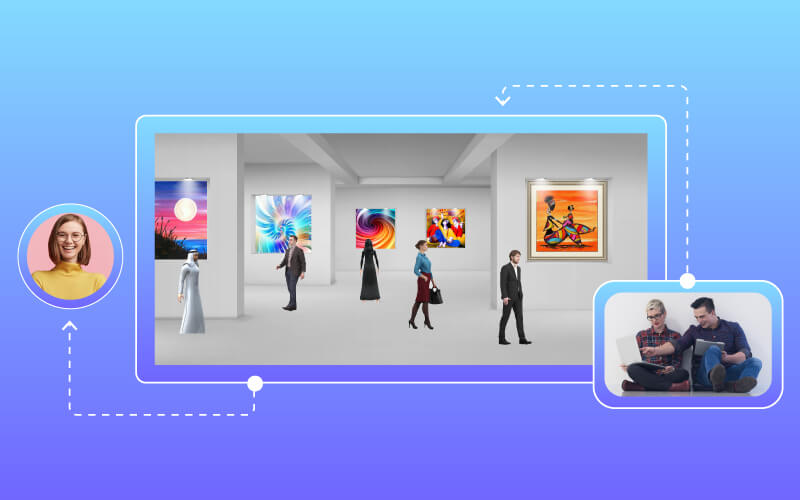
Before choosing a platform, ask whether it supports branded event lobbies, customizable interfaces, sponsor placements, and interactive 3D virtual booths. These features help businesses maintain consistent branding throughout the attendee journey and create a more professional event experience.
Branded virtual environments can significantly improve attendee engagement and sponsor visibility. Customization also helps events stand out in a competitive digital space.
Question 7. Does the platform enable social media integration? & where the attendees can see the icon on the platform?
Before selecting a virtual event platform, ask whether the platform enables social media integration or not? It helps in reaching a wider segment of the audience seamlessly. If yes, then ask where the attendees can see the icons of Facebook, Instagram, Twitter, and LinkedIn on the platform.
Question 8. Does the platform enable you to upload and schedule pre-recorded content?
A strong virtual event platform should allow organizers to upload, schedule, and stream pre-recorded sessions seamlessly. This feature improves event flexibility, reduces live-session risks, and helps deliver a more polished attendee experience.
Pre-recorded content has become increasingly important for virtual conferences, webinars, product launches, and global events where speakers may join from different time zones. Instead of depending entirely on live presentations, organizers can schedule keynote sessions, demos, sponsor videos, and training content in advance.
This approach helps minimize technical disruptions such as internet instability, audio issues, or speaker delays. It also gives production teams more control over video quality and session timing.
According to virtual event industry reports, events using a mix of live and pre-recorded content often achieve higher attendee retention because sessions run more smoothly and consistently.
Before selecting a platform, ask whether it supports:
- Scheduled pre-recorded streaming
- Automated session playback
- Live + recorded hybrid sessions
- On-demand replay access
- HD video uploads
- Simulated live broadcasting
These features create a more reliable and scalable virtual event experience for both organizers and attendees.
Question 9. Does the platform support live webcasting?
If you are organising a hybrid virtual event, looking for a live webcasting feature in the platform is a must. It enables organisers to deliver real-time experiences to virtual attendees. Apart from a hybrid event, if you are planning to host live sessions with virtual attendees, live webcasting is an essential feature a platform must have. Hence, make sure the virtual event company offers live streaming and webcasting services in the best quality.
Question 10. Does the platform provide any analytics reports?
A virtual event platform should provide detailed analytics reports to help organizers measure attendee engagement, session performance, and overall event success. These insights help identify which sessions attracted the most attendees, which sponsor booths performed well, and where audiences dropped off.
According to industry studies, data-driven event planning can improve engagement by over 30%, making analytics an essential platform feature. Before selecting a platform, check whether it offers:
- Real-time attendee tracking
- Session engagement reports
- Sponsor analytics
- Lead generation insights
- Poll and chat reports
- Attendance duration tracking
Detailed analytics help organizers improve future virtual events and maximize ROI.
Final Thought
Selecting the right virtual venue or virtual event platform takes your online virtual event a level up. However, ensuring a smooth delivery. In conclusion, investing in the right virtual event platform helps in creating unique virtual experiences, thus ensuring a successful virtual event.
Create an Extraordinary Event Experience
Across All Event Formats